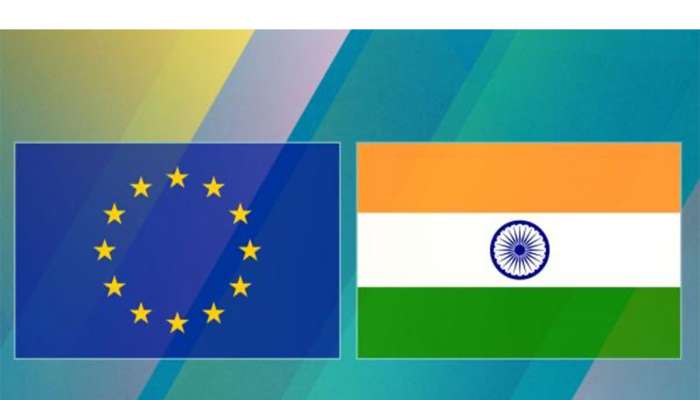

India and the European Union are on the cusp of finalizing a landmark India-EU trade agreement, a development poised to reshape global trade dynamics. After years of negotiations, and a recent surge in momentum driven by shifting geopolitical landscapes, an announcement is expected as early as Tuesday, following a high-level summit between Indian and EU leaders. This deal promises to lower trade barriers and foster deeper economic ties between the two major players.
A Decade in the Making: The India-EU Trade Agreement Nears Completion
Negotiations for a comprehensive free trade agreement between India and the EU were initially stalled for nearly a decade, resuming in 2022. The revival coincided with a period of increasing global trade tensions, particularly escalating protectionist measures from the United States. This renewed push reflects a strategic recalibration for both sides, seeking reliable and rules-based partnerships in a fragmented world.
The upcoming India–EU summit, co-chaired by Indian Prime Minister Narendra Modi, European Council President Antonio Costa, and European Commission President Ursula von der Leyen, provides the ideal platform for the official announcement. Sources within both Indian and EU governments confirm the imminent conclusion of the deal.
Key Provisions of the Proposed Agreement
The proposed India-EU trade agreement is expected to deliver significant benefits for businesses on both sides. European exporters, particularly those in the automotive and alcoholic beverage sectors, stand to gain from reduced tariffs in the Indian market. Conversely, India aims to expand market access for its exports, including crucial sectors like electronics, textiles, and chemicals.
Specifically, the agreement is anticipated to boost Indian exports of textiles, jewellery, and manufactured goods. While some agricultural products have been excluded from the initial negotiations, the overall impact on Indian trade is projected to be substantial. However, negotiators are still navigating sensitive areas, particularly regarding auto imports, with EU officials seeking assurances on market access.
Responding to Global Trade Shifts and Protectionism
The timing of this agreement is particularly significant given the recent shifts in global trade policy. The United States, under previous administration, significantly increased tariffs on Indian imports, reaching levels as high as 50% – among the highest globally. This move prompted India to actively pursue alternative trade partnerships.
Meanwhile, the EU has also been actively strengthening its trade relationships, recently finalizing deals with Mercosur, Indonesia, Mexico, and Switzerland. This proactive approach underscores a shared desire to diversify trade relationships and reduce reliance on any single market. The EU trade deal with India represents a key component of this strategy.
Addressing Non-Tariff Barriers and Carbon Levies
Beyond tariff reductions, India has raised concerns regarding non-tariff barriers imposed by the EU, particularly the Carbon Border Adjustment Mechanism (CBAM). This mechanism levies charges on imports of carbon-intensive products like steel, aluminum, and cement. While industry experts suggest limited flexibility on these measures, the issue remains a point of discussion.
Successfully navigating these regulatory hurdles will be crucial for maximizing the benefits of the trade agreement for Indian exporters. Duty-free access to the EU market is seen as a potential offset to losses experienced in the U.S. market, particularly in sectors like textiles where India currently holds a relatively small market share compared to China.
Strategic Implications and Future Outlook
The potential India-EU trade agreement extends beyond mere commercial gains. It signifies a strategic alignment between two major democracies, offering a counterweight to China’s growing influence in Asia. For India, the deal supports its ambition to become a global manufacturing hub and reduces its vulnerability to U.S. protectionism.
For Europe, India represents a rapidly growing market and a valuable partner in navigating the complex geopolitical landscape. Bilateral trade between India and the EU already reached $136.5 billion in the 2024/25 fiscal year, solidifying the EU’s position as one of India’s largest trading partners.
The agreement, if ratified by the European Parliament – a process expected to take at least a year – will mark a significant step towards a more balanced and resilient global trade system. It demonstrates a commitment to rules-based trade and underscores the importance of diversifying economic partnerships in an increasingly uncertain world. The successful conclusion of this deal will undoubtedly be closely watched by businesses and policymakers alike, signaling a new era of cooperation between India and the European Union.