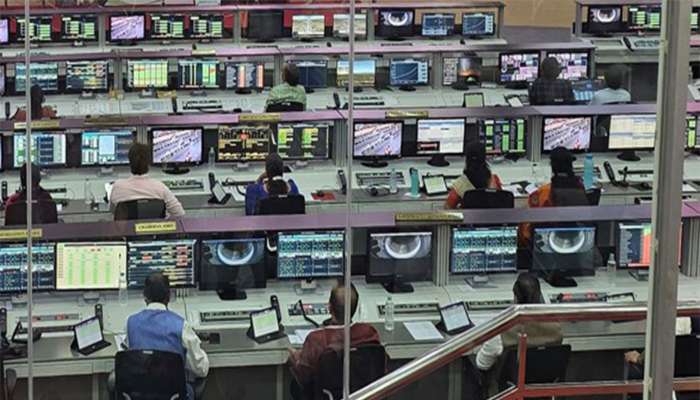

India is poised to become a major global player in the rapidly expanding digital economy, and a new report by PwC suggests the nation has a significant opportunity to lead in digital infrastructure innovation. The report highlights the potential of adopting forward-thinking models like data embassies and data cities to attract foreign investment, accelerate growth, and solidify India’s position in the global digital value chain. With a digital economy already contributing substantially to the GDP, and projected to grow even faster, strategic development of this infrastructure is crucial.
The Rise of India’s Digital Economy & Infrastructure Demand
India’s digital transformation is well underway. The report notes that the digital economy contributed a substantial 11.74%, or USD 0.402 trillion, to the country’s GDP in FY 2022-23. This figure isn’t just impressive; it’s accelerating. Projections indicate that the digital economy could account for around 20% of national income by FY 2029-30, surpassing traditional economic powerhouses like agriculture and manufacturing.
This growth is directly fueling a massive surge in demand for data centers. Currently, India boasts an installed data center capacity of 1.5 GW. However, with digital adoption rates climbing, this capacity has already increased nearly ninefold, and is expected to continue growing at a Compound Annual Growth Rate (CAGR) of 20-24% between 2025 and 2035. By 2035, total capacity is anticipated to reach approximately 14 GW, backed by significant investment commitments from both domestic and international operators.
Why India is Attractive for Data Center Development
Several factors contribute to India’s growing appeal as a destination for data center investment. Notably, construction costs are considerably lower compared to established hubs like Singapore, Taiwan, Malaysia, and South Korea. This cost advantage is a major draw for companies looking to expand their infrastructure footprint.
Furthermore, India possesses a significant advantage in its potential for clean power generation. Reliable and sustainable energy sources are paramount for data center operations, and India’s commitment to renewable energy aligns perfectly with this need. This focus on sustainability is increasingly important for attracting environmentally conscious investors.
Data Embassies: A New Avenue for International Collaboration
One of the key recommendations of the PwC report is the exploration of “data embassy” arrangements. This innovative model would involve offering foreign governments and international organizations dedicated facilities within India to host their critical digital assets.
To facilitate this, the report emphasizes the need for:
- Tax-neutral zones: Creating areas with favorable tax regulations to incentivize data hosting.
- Sovereign immunity frameworks: Providing legal protections akin to those afforded to diplomatic missions.
- Robust cybersecurity guarantees: Ensuring the highest levels of data security and protection against cyber threats.
By establishing itself as a trusted host for sensitive data, India can attract substantial foreign investment and strengthen its diplomatic ties. This approach positions India not just as a provider of data infrastructure, but as a secure and reliable partner in the global digital landscape.
Data Cities: Integrated Hubs for Digital Innovation
Beyond data embassies, the report proposes the development of dedicated “data cities.” These would be purpose-built hubs designed to foster a comprehensive ecosystem for digital infrastructure.
A data city would integrate:
- Data centers: The core of the infrastructure, providing storage and processing power.
- Cloud service providers: Offering scalable and on-demand computing resources.
- Artificial intelligence (AI) labs: Driving innovation in AI and machine learning.
- Digital services: Providing a range of digital solutions to businesses and consumers.
These cities would operate under a unified policy and tax regime, streamlining operations and reducing bureaucratic hurdles. Targeted incentives and regulatory sandboxes would further encourage businesses to establish and expand their presence within these hubs.
The Benefits of a Concentrated Approach
The data city concept offers several advantages. By concentrating resources and expertise, these hubs can accelerate innovation and create synergies between different players in the digital ecosystem. They also provide a ready-to-use infrastructure, reducing the time and cost associated with setting up operations in India. This concentrated approach to digital infrastructure development is expected to attract global capital and generate high-quality jobs.
A Phased and Forward-Looking Tax Approach is Key
The report underscores the importance of a predictable and investment-friendly tax environment. A phased approach to taxation, addressing current uncertainties while simultaneously encouraging sustainable and localized growth, is deemed critical. Clear tax policies across the entire project lifecycle – from construction to operation – will be essential to boost investor confidence and unlock the full potential of India’s data center ecosystem. This includes considering incentives for green data center practices and promoting local manufacturing of data center components.
In conclusion, India stands at a pivotal moment in its digital journey. By proactively embracing innovative models like data embassies and data cities, coupled with a supportive regulatory and tax framework, the nation can capitalize on its inherent advantages and establish itself as a global leader in digital infrastructure. This strategic focus will not only drive economic growth but also strengthen India’s position in the increasingly important global digital value chain, paving the way for a more connected and prosperous future. Further exploration of these concepts and swift implementation of enabling policies are crucial to realizing this ambitious vision.