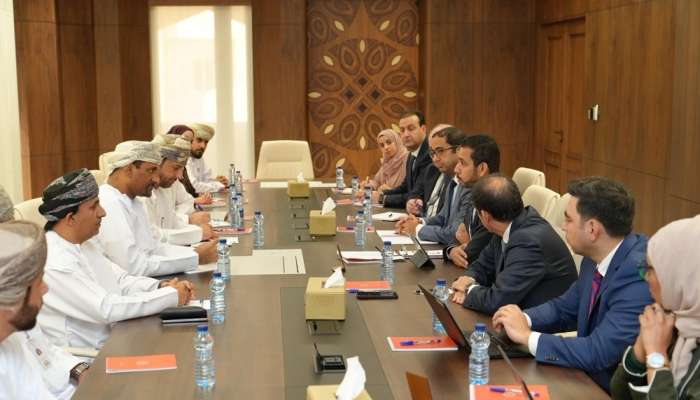

Oman’s economic trajectory continues to impress, demonstrating robust growth in 2024 and the first half of 2025 despite global economic headwinds. A recent assessment by an International Monetary Fund (IMF) expert mission confirms this positive outlook, highlighting the Sultanate’s successful diversification efforts and prudent financial management. While the hydrocarbon sector experienced a contraction due to OPEC+ production cuts, the non-oil economy has flourished, supporting overall economic growth in Oman.
Strong Non-Hydrocarbon Performance Drives Oman’s Economy
The IMF’s concluding statement, released following their Article IV Consultations, paints a picture of a resilient Omani economy. Key sectors driving this expansion include manufacturing, wholesale and retail trade, logistics, construction, and the vital agriculture and fishing industries. This diversification away from reliance on oil is a central tenet of Oman’s Vision 2040, and these results indicate significant progress is being made.
This success isn’t accidental. It’s built on a foundation of strategic investment and structural reforms aiming to attract foreign investment and empower the private sector. The Omani government has actively worked to improve the business environment, fostering increased competition and supporting Small and Medium Enterprises (SMEs).
Inflation Remains Under Control
Importantly, this growth hasn’t come at the cost of rising prices. Inflation in Oman has been remarkably contained, easing to 0.6 percent in 2024 and remaining at 0.9 percent during January-October 2025. This is a testament to effective monetary policy and a stable global supply chain compared to many other nations. This controlled inflation further supports consumer spending and business confidence.
Fiscal Health and Public Finances in Oman
The IMF report also applauded Oman’s strong fiscal position. A substantial surplus of 3.3 percent of GDP was recorded in 2024, and government debt remains manageable at 36.1 percent of GDP as of September 2025. These figures give the government fiscal space to continue investing in crucial areas like infrastructure and social programs.
Furthermore, the report emphasizes the need for continued fiscal prudence, outlining several essential reforms. These include:
- Modernising tax administration and fully implementing VAT e-invoicing.
- Introducing a personal income tax on high earners starting in 2028, a move designed to ensure a more equitable tax system.
- Rationalizing non-essential spending and phasing out untargeted energy subsidies, while providing adequate support for vulnerable populations.
- Strengthening the medium-term fiscal framework and developing a robust sovereign asset-liability management framework.
These initiatives are crucial for reinforcing fiscal sustainability and enhancing the credibility of Oman’s economic policies.
Future Economic Outlook and Projections
The IMF projects that economic growth in Oman will further strengthen in 2025-2026 as oil production restrictions are eased and the non-hydrocarbon sector maintains its momentum. Inflation is anticipated to stay low, gradually converging towards the 2 percent target over the medium term.
A shift towards a current account deficit is expected in 2025-2027 due to anticipated lower oil prices. However, this is projected to be temporary, with a return to surplus as oil production recovers and non-hydrocarbon exports increase, demonstrating the continued benefits of diversification. The non-hydrocarbon primary deficit is also predicted to narrow, further showcasing improvements in fiscal management.
Strengthening Monetary Policy and Financial Stability
The report also highlighted the importance of strengthening the financial system. The ongoing Monetary Policy Enhancement Project, including the introduction of an Omani Rial standing deposit facility and the operationalization of the interest rate corridor, will improve the efficiency of monetary policy transmission. Transitioning to a full-fledged Treasury Single Account will also streamline government finances.
Beyond monetary policy, the IMF emphasized the need for continued efforts to bolster the macro-prudential framework, improve data quality for regulatory purposes, enhance the financial safety net and crisis management resolution procedures, and deepen capital markets. These measures are vital for safeguarding financial stability and providing alternative financing options for the private sector. Promoting financial sector development is a key part of Oman’s growth plan.
The 11th Development Plan: An Accelerator for Diversification
Oman’s 11th Development Plan, according to the IMF, offers a significant opportunity to accelerate economic diversification, increase productivity, and generate more employment opportunities for Omani citizens. The plan rightly prioritizes several critical areas:
- Labor Market Reforms: Aiming to create a more flexible and competitive workforce.
- Business Environment Improvements: Reducing bureaucratic hurdles and fostering a more investor-friendly climate.
- Increased Market Competition: Driving innovation and efficiency within the economy.
- SME Support: Providing access to finance, training, and markets for small businesses.
- Trade Integration: Strengthening Oman’s ties with global markets.
- Renewable Energy Initiatives: Investing in sustainable energy sources.
- Digital Transformation and AI Readiness: Preparing Oman for the future of technology and innovation.
In conclusion, the latest IMF assessment confirms that economic growth in Oman is on a solid footing. The country’s commitment to diversification, fiscal responsibility, and financial stability, coupled with strategic reforms outlined in the 11th Development Plan, positions it well for continued success in the years ahead. The report is a clear signal to investors and the international community: Oman is a dynamic and promising economy ready to embrace future opportunities. Staying informed about Oman’s economic progress is vital for anyone involved in regional investment and trade.