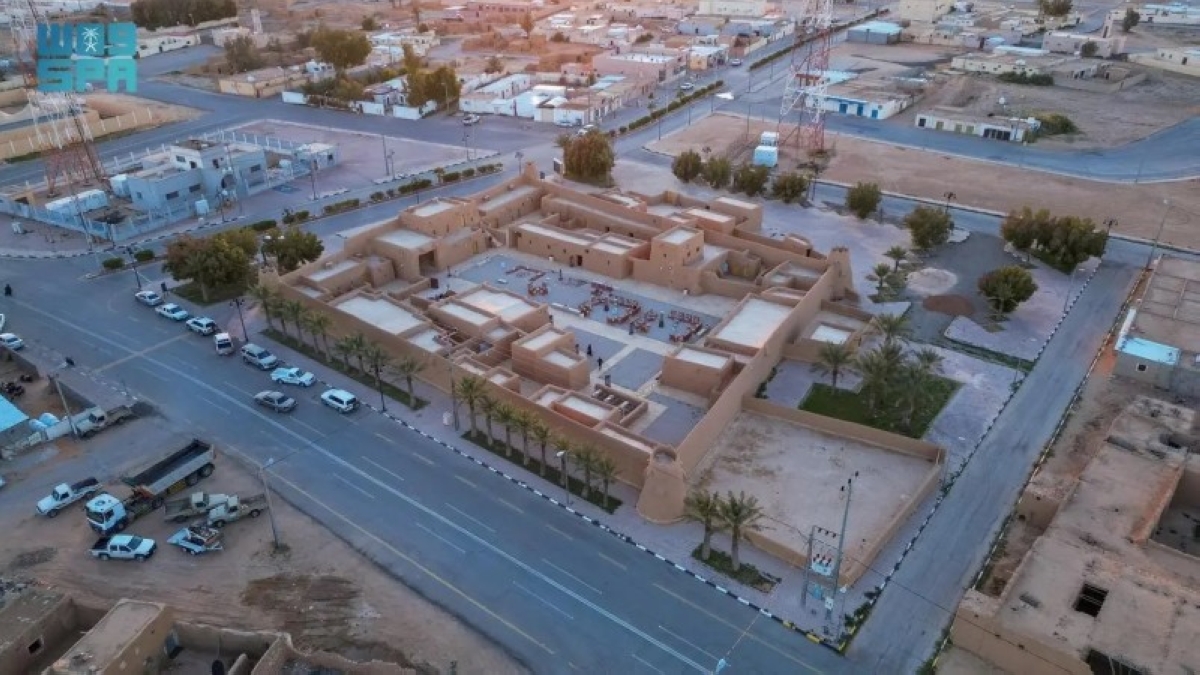

The historic King Abdulaziz Palace in Linah, located in the Northern Borders Region of Saudi Arabia, has officially opened to visitors as part of the Darb Zubaida Winter Season, the Imam Turki bin Abdullah Royal Nature Reserve Development Authority announced. The opening of the King Abdulaziz Palace aims to boost cultural tourism and provide an immersive experience of the region’s rich history. The palace, situated 105 km south of Rafha, will be accessible during the winter festival from 3:00 pm to 10:00 pm daily.
The launch of the site’s activation is a key component of broader efforts to develop tourism infrastructure along the ancient Darb Zubaida route and celebrate the area’s unique heritage. These initiatives seek to attract both domestic and international travelers to the Northern Borders Region, contributing to Saudi Arabia’s Vision 2030 tourism goals. The opening follows preparations to ensure a safe and engaging visitor experience.
Unveiling the History of the King Abdulaziz Palace
The King Abdulaziz Palace stands as a significant example of traditional Saudi architecture. Constructed using locally-sourced materials such as stone, clay, and adobe, the palace reflects the building techniques prevalent during its creation. These materials, combined with the architectural design, demonstrate a commitment to preserving the region’s cultural identity and sustainable building practices.
The palace’s history is intertwined with the unification of Saudi Arabia. While specific details regarding its initial construction and usage are still being researched, it served as a resting place and administrative point for King Abdulaziz during his travels through the region. Its strategic location along Darb Zubaida underscores its importance in facilitating communication and governance during the period of national consolidation.
Darb Zubaida and its Significance
Darb Zubaida, or the Road of Zubaida, was an ancient trade route dating back to the Abbasid Caliphate, connecting Mecca and Damascus. It played a crucial role in facilitating pilgrimage and commerce throughout the region for centuries. Recent investments have focused on revitalizing this route as a tourism destination.
The route features numerous historical wells, forts, and settlements – all offering glimpses into the life and times of past travelers. The Imam Turki bin Abdullah Royal Nature Reserve Development Authority’s initiative to integrate the King Abdulaziz Palace into the Darb Zubaida Winter Season aims to create a cohesive and compelling narrative for visitors.
According to the authority, actively linking historical sites with these tourism programs enhances the overall visitor experience. This includes providing organized access, informational resources, and opportunities to learn about the cultural and historical significance of each location. Revitalizing cultural tourism remains a major priority for the kingdom.
Enhancing the Visitor Experience
The decision to open the King Abdulaziz Palace during the Darb Zubaida Winter Season is a deliberate attempt to capitalize on increased tourist flow. The season, which includes a variety of events and activities, draws a significant number of visitors to the Northern Borders Region. This presents an opportunity to showcase local heritage and stimulate economic growth.
The authority has implemented measures to manage visitor access and ensure the preservation of the palace’s structure. Opening hours (3:00 pm to 10:00 pm) are designed to accommodate seasonal weather conditions and provide adequate lighting for exploration. The focus on providing a “safe and attractive environment” indicates attention to accessibility and visitor comfort.
This project aligns with Saudi Arabia’s broader tourism strategy, which aims to diversify the economy and attract a wider range of visitors beyond religious pilgrimages. Investment in heritage sites has been steadily increasing as the country seeks to leverage its rich cultural assets. Simultaneously, the development of visitor infrastructure, like enhanced pathway systems, is underway.
The authority has not yet released detailed information on planned restoration works or long-term preservation strategies for the King Abdulaziz Palace. However, the opening of the palace to the public is expected to generate greater awareness and support for these efforts. Additionally, the success of this initial phase may influence decisions regarding access to other historical sites in the region.
Alongside the palace opening, the Darb Zubaida Winter Season will feature a variety of cultural performances, traditional crafts markets, and outdoor activities. These events are intended to create a festive atmosphere and encourage visitors to explore the diverse attractions of the Northern Borders Region. The promotion of local artisans and performers forms part of this holistic approach to tourism development.
Looking ahead, the Imam Turki bin Abdullah Royal Nature Reserve Development Authority will likely assess visitor feedback and engagement data to refine its tourism offerings. Further announcements are expected regarding future developments along Darb Zubaida, particularly concerning the preservation and interpretation of heritage sites. The long-term impact of the initiative on the regional economy and cultural landscape remains to be seen and will require continued monitoring.