
The accelerating pace of digital government across the Gulf Cooperation Council (GCC) was a central theme as Bahrain’s Information & eGovernment Authority (iGA) Chief Executive, Mohammed Ali Al Qaed, met with His Excellency Eng. Ahmed bin Mohammed Alsuwaiyan, Governor of Saudi Arabia’s Digital Government Authority (DGA) in Riyadh. The meeting, held on the sidelines of the 13th meeting of the Permanent Committee for Statistical Work, underscored the importance of regional collaboration in navigating the complexities and maximizing the benefits of technological advancements in the public sector. This partnership aims to deliver enhanced services and maintain a competitive edge on the global stage.
Strengthening GCC Digital Cooperation
Al Qaed’s visit and subsequent discussions with Alsuwaiyan highlight a growing recognition within the GCC of the power of unified action in the realm of digital transformation. He emphasized that the region has made significant strides in building robust digital ecosystems, but sustained momentum requires a coordinated approach. This includes not just the adoption of new technologies, but also the development of shared infrastructure and the harmonization of regulatory frameworks.
The need for this collaboration stems from several factors. Firstly, many challenges faced by GCC nations in their digital journeys are similar, ranging from cybersecurity concerns to the need for skilled IT professionals. Secondly, a unified digital space can facilitate cross-border services and economic integration. Finally, pooling resources and expertise allows for more efficient innovation and development.
The Role of Shared Infrastructure
A key aspect of this strengthened cooperation is the development of shared technological infrastructure. This doesn’t necessarily mean a single, centralized system, but rather interoperable platforms and standards that allow for seamless data exchange and service delivery between countries. Such infrastructure could support initiatives like a unified digital identity for GCC citizens, streamlining travel and access to services across borders. This would also foster greater efficiency in government operations and reduce duplication of effort.
Bahrain and Saudi Arabia: A Leading Partnership in ICT
The meeting also served as a platform to acknowledge the already strong relationship between Bahrain and Saudi Arabia in the Information and Communication Technology (ICT) sector. Al Qaed specifically praised this collaboration as a “key pillar” of both nations’ strategies for enhancing government services and driving digital progress.
This existing partnership provides a solid foundation for expanding cooperation into new areas. Both countries have demonstrated a commitment to innovation and are actively investing in technologies like cloud computing, big data analytics, and artificial intelligence. This shared vision makes them natural allies in tackling regional challenges and capitalizing on emerging opportunities.
Commending Saudi Arabia’s Digital Advancements
Al Qaed took the opportunity to commend Saudi Arabia for its remarkable achievements in digital transformation. He specifically highlighted the Kingdom’s proactive adoption of advanced technologies, including artificial intelligence (AI), and its role in hosting specialized digital events. These events not only showcase Saudi Arabia’s leadership but also provide valuable platforms for knowledge sharing and networking within the region and beyond. Saudi Arabia’s Vision 2030 is a clear demonstration of its commitment to becoming a digital powerhouse.
Exploring New Avenues for Collaboration
Discussions between Al Qaed and Alsuwaiyan focused on several potential areas for future collaboration. These included:
- Digital Identity Systems: Developing a secure and interoperable digital identity framework for GCC citizens.
- Platform Integration: Connecting government digital platforms to facilitate seamless service delivery.
- Regulatory Alignment: Harmonizing regulatory frameworks to promote innovation and reduce barriers to entry for technology companies.
- AI Adoption: Jointly exploring and implementing AI solutions to improve the efficiency and effectiveness of public sector services.
These areas represent significant opportunities to leverage the combined strengths of GCC nations and accelerate their digital journeys. Successfully implementing these initiatives will require careful planning, ongoing communication, and a willingness to compromise.
Insights from the DGA Innovation Hub
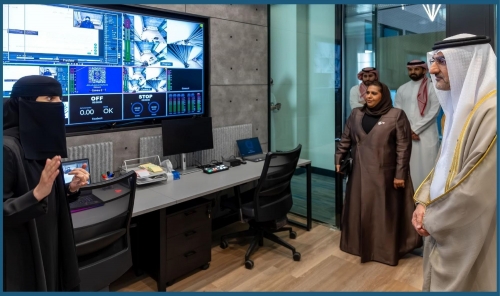
Further demonstrating the commitment to learning and collaboration, Al Qaed visited the DGA’s Innovation Hub during his trip. This hub serves as a central resource for government entities in Saudi Arabia, providing access to specialized laboratories and platforms designed to support the development of smart digital solutions.
He was briefed on the Hub’s capabilities in emerging technologies and AI, gaining valuable insights into how these tools can be applied to address real-world challenges in the public sector. This visit underscores the importance of practical experimentation and knowledge transfer in driving digital transformation initiatives. The Innovation Hub serves as a model for similar facilities that could be established across the GCC.
In conclusion, the meeting between Mohammed Ali Al Qaed and Eng. Ahmed bin Mohammed Alsuwaiyan signifies a crucial step towards greater regional cooperation in the digital sphere. By prioritizing shared infrastructure, harmonizing regulations, and fostering the exchange of expertise, GCC nations can collectively accelerate their digital transformation, enhance government services, and maintain a leading position in the global digital economy. The continued partnership between Bahrain and Saudi Arabia, coupled with Saudi Arabia’s ambitious digital agenda, provides a strong foundation for future success. This collaborative spirit is essential for navigating the evolving landscape of technology and ensuring that the benefits of digital innovation are shared by all.