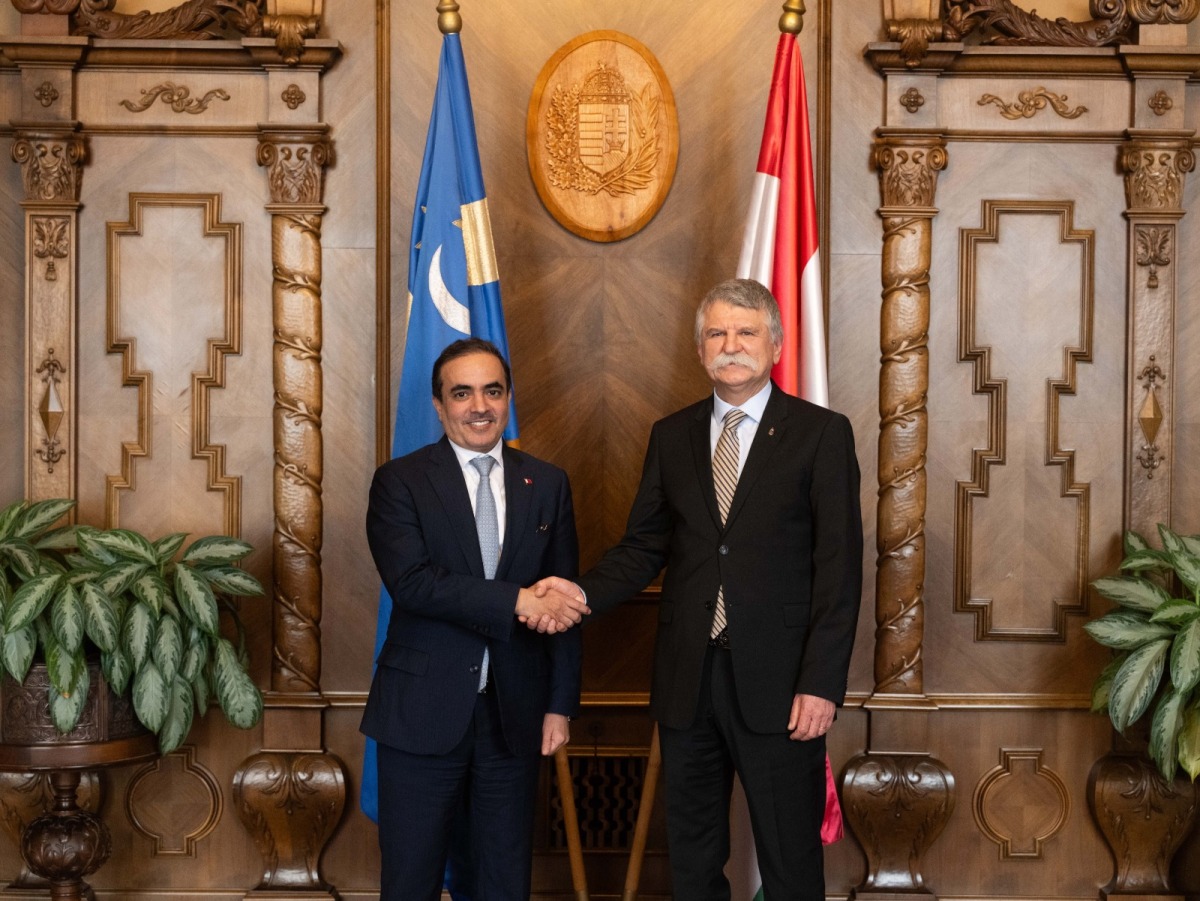

Budapest witnessed a meeting between László Kövér, Speaker of the Hungarian Parliament, and Radi bin Sowayed Al Ajami, the Ambassador of the State of Qatar to Hungary, on January 20, 2024. Discussions centered on strengthening bilateral relations between the two nations, exploring opportunities for increased collaboration in various sectors. The meeting underscores Qatar’s growing diplomatic engagement with European countries and Hungary’s interest in diversifying its partnerships.
The encounter took place in Budapest, with both officials expressing a commitment to fostering closer ties. While specific details of the discussions haven’t been publicly released, the focus on bilateral cooperation suggests a broad agenda encompassing economic, political, and potentially cultural exchanges. This meeting follows a period of increased high-level visits between Qatar and several European states.
Strengthening Qatar-Hungary Bilateral Relations
Qatar has been actively pursuing enhanced diplomatic and economic relationships with countries across the globe, and Hungary represents a key partner within the European Union. This proactive approach is part of Qatar’s broader strategy to diversify its international portfolio and solidify its position on the world stage. Hungary, for its part, has signaled a willingness to engage with Qatar, particularly in areas of mutual benefit.
Recent years have seen a gradual increase in trade volume between Qatar and Hungary, though it remains relatively modest compared to Qatar’s trade with other European nations. According to data from the Hungarian Central Statistical Office, trade with Qatar has been steadily growing, primarily driven by energy sector investments and increasing interest in Hungarian agricultural products. However, further expansion requires addressing logistical challenges and streamlining investment procedures.
Areas of Potential Cooperation
Several sectors are ripe for increased collaboration. Energy remains a significant area, with Qatar being a major global supplier of liquefied natural gas (LNG). Hungary is seeking to diversify its energy sources, and Qatari LNG could play a role in achieving that goal.
Additionally, investment in infrastructure projects, particularly related to the upcoming World Expo 2023 in Doha, could present opportunities for Hungarian companies. The Qatari investment fund has also shown interest in European assets, and Hungary could be a potential destination for some of that capital. Furthermore, cultural exchange programs and educational partnerships could contribute to a deeper understanding between the two countries.
The meeting also likely touched upon regional security issues. Qatar plays a mediating role in several conflicts in the Middle East, and Hungary is a member of NATO and the EU, giving it a unique perspective on European security concerns. Discussions may have included perspectives on the ongoing situation in Ukraine and broader geopolitical developments.
This diplomatic engagement comes amidst a broader context of Qatar’s efforts to enhance its international image and address concerns related to human rights and labor practices. The country has implemented several reforms in recent years, and continued dialogue with European partners is seen as crucial for demonstrating progress and building trust. The relationship with Hungary, like others in Europe, is also influenced by the ongoing energy transition and the search for reliable energy suppliers.
While the specifics of any agreements reached during the meeting haven’t been disclosed, the fact that it occurred at the highest parliamentary level suggests a serious intent to deepen ties. The Hungarian government has previously expressed support for strengthening economic cooperation with Gulf states, and this meeting appears to be a continuation of that policy. Qatar’s Ministry of Foreign Affairs has consistently emphasized the importance of constructive dialogue and mutually beneficial partnerships.
Looking ahead, the next step will likely involve follow-up discussions between relevant ministries and agencies to explore concrete projects and initiatives. A potential visit by Hungarian officials to Doha, or vice versa, could also be on the cards. The timeline for any significant developments remains uncertain, dependent on factors such as ongoing geopolitical events and internal policy priorities within both countries. Monitoring future statements from both governments and observing any new investment announcements will be key to understanding the evolution of this bilateral relationship and the broader Qatar-Europe relations.
The success of these efforts will also depend on navigating potential challenges related to differing political systems and legal frameworks. Continued diplomatic engagement and a focus on shared interests will be crucial for overcoming these hurdles and realizing the full potential of the Qatar-Hungary partnership.