








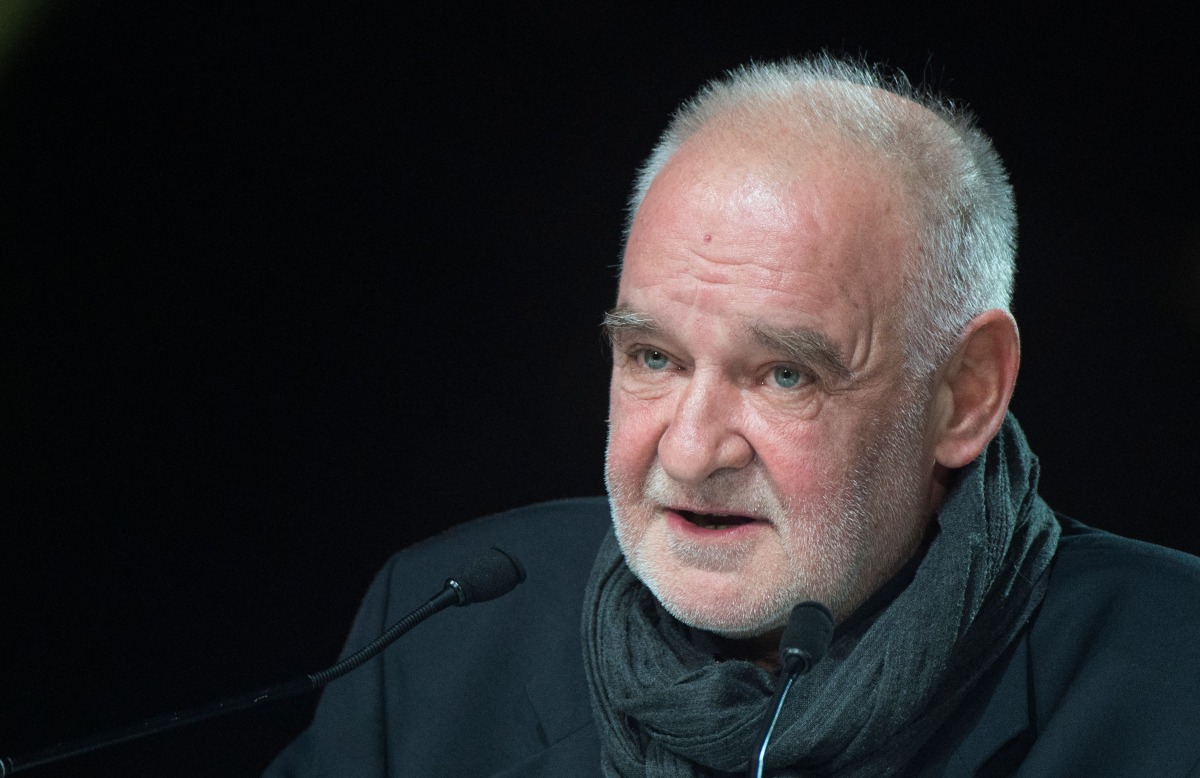

Renowned Hungarian film director Bela Tarr, celebrated for his distinctive and often challenging cinematic style, has died at the age of 70. The filmmaker passed away on Tuesday in Budapest after a prolonged illness, according to the Hungarian news agency MTI, citing director Benedek Fliegauf speaking on behalf of Tarr’s family. Tarr’s death marks a significant loss for the world of arthouse cinema and leaves behind a legacy of influential and critically acclaimed works.
The Hungarian Filmmakers’ Association confirmed Tarr’s passing in a statement released Tuesday morning. Born in Pécs, Hungary, in 1955, Tarr rose to international prominence through his slow-paced, black-and-white films exploring themes of existentialism, societal decay, and the human condition. His work consistently pushed the boundaries of traditional filmmaking, earning him a dedicated following and numerous accolades.
The Legacy of Bela Tarr’s Filmmaking
Tarr’s films were characterized by their extended takes, often lasting several minutes, and a deliberate, almost hypnotic rhythm. This unique approach, combined with stark visuals and a philosophical bent, set him apart from many of his contemporaries. He wasn’t interested in conventional narrative structures, instead prioritizing atmosphere and the exploration of complex ideas.
His most recognized films include Satantango (1994), a seven-hour epic; Werckmeister Harmonies (2000), a meditation on societal breakdown; and The Turin Horse (2011), a bleak and minimalist exploration of routine and despair. These films garnered widespread acclaim at international film festivals, solidifying Tarr’s position as a leading figure in contemporary European cinema. His films often explored themes of rural life and the struggles of ordinary people.
A Collaborative Partnership with László Krasznahorkai
A crucial element of Tarr’s success was his long-standing artistic collaboration with Hungarian novelist László Krasznahorkai. Tarr adapted several of Krasznahorkai’s novels, including Satantango and Werckmeister Harmonies, bringing the author’s complex and often pessimistic worldview to the screen. This partnership proved mutually beneficial, introducing Krasznahorkai to a wider international audience.
Krasznahorkai’s work, like Tarr’s films, is known for its intricate prose and philosophical depth. He received the Nobel Prize in Literature in 2025, further cementing the cultural significance of their combined artistic output. The adaptations played a key role in bringing Krasznahorkai international attention.
However, Tarr’s work wasn’t always widely accessible. His films often demanded patience and a willingness to engage with challenging subject matter. Despite this, his influence on younger filmmakers is undeniable, with many citing him as a major inspiration. His distinctive style has been described as both mesmerizing and demanding.
Following the release of The Turin Horse, Tarr announced his retirement from feature filmmaking. He continued to be involved in the film world, however, dedicating his time to teaching and mentoring aspiring filmmakers at the Film Factory in Sarajevo, Bosnia and Herzegovina. He saw education as a vital way to pass on his knowledge and passion for cinema. This commitment to teaching demonstrates his dedication to the future of independent film.
Meanwhile, the impact of Tarr’s work extends beyond the realm of cinema, influencing other art forms such as literature and visual arts. His exploration of existential themes and his unique visual language have resonated with audiences and artists across disciplines. His films are frequently studied in film schools around the world.
Details regarding a memorial service or public tribute have not yet been announced. The film community is currently mourning the loss of this influential director, and further information regarding arrangements will likely be released in the coming days. The long-term preservation and accessibility of Tarr’s filmography will be a key focus for film archives and institutions in the years to come, ensuring his cinematic vision continues to inspire future generations.
It remains to be seen how Tarr’s passing will impact the ongoing work of the Film Factory in Sarajevo, where he was a central figure. The institution is expected to issue a statement regarding its future plans in the coming weeks. The legacy of Bela Tarr and his contributions to European cinema will undoubtedly be debated and celebrated for years to come.
