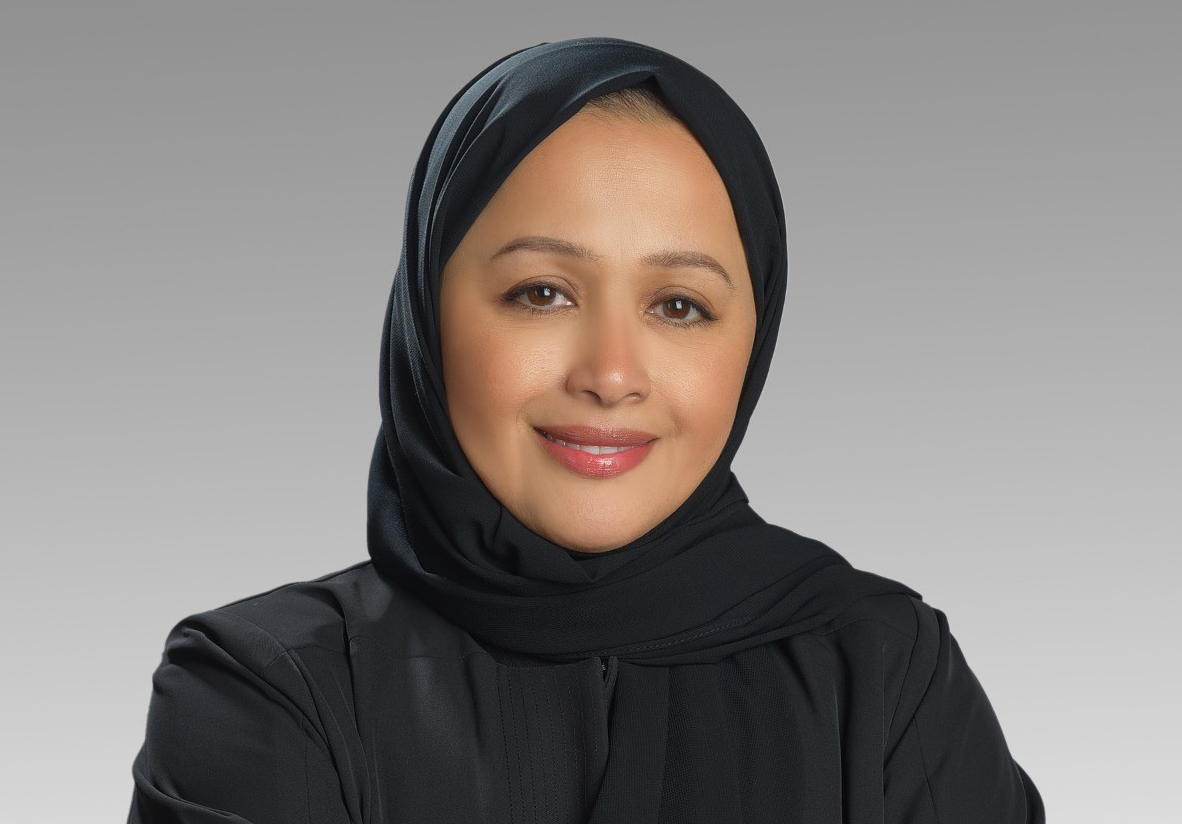

Qatar’s national development is intrinsically linked to investment in its people, fostering not just infrastructure but also education, curiosity, and individual potential, according to Kholoud M. Al Ali, Executive Director of Community Engagement and Programming at Qatar Foundation. This emphasis on human capital echoes the spirit of this year’s Qatar National Day theme. Al Ali’s statement, released in observance of Qatar National Day, underscores the nation’s commitment to Qatar Foundation‘s long-term vision for sustainable progress through comprehensive human development.
The Importance of Human Development in Qatar
Qatar National Day, celebrated annually on December 18th, commemorates the country’s founding in 1878. This year’s theme, ‘With You It Rises, From You It Awaits,’ highlights the critical relationship between national advancement and the growth of its citizens. Al Ali explained that this concept isn’t merely about physical construction, but about empowering individuals through learning and opportunity.
According to Al Ali, learning is an ongoing process that extends beyond traditional educational settings. Resilient societies depend on environments that encourage critical thinking, build confidence, and facilitate engagement in both public life and cultural experiences. This holistic approach is a cornerstone of Qatar’s long-term national strategy.
Culture as a Catalyst for Growth
Beyond formal education, culture plays a vital role in fostering national identity and connection, Al Ali noted. Qatar’s approach has not been to choose between preserving traditions and embracing modernization, but rather to cultivate a dynamic exchange between the two. This has led to a blossoming cultural landscape within the country.
This philosophy is readily apparent in initiatives across the country, including those supported and led by Qatar Foundation. Efforts to digitize historical documents and promote local arts are examples of this commitment. Additionally, investments in museums and performance spaces aim to make cultural experiences accessible to all.
Education City as an Integrated Hub
Education City, a campus housing numerous universities and research institutions, serves as a physical embodiment of Qatar’s integrated approach to development. Founded in 1997, it represents a significant investment in knowledge-based industries and attracting global academic talent. The campus melds educational pursuits with research endeavors, cultural offerings, and vibrant community life.
Al Ali specifically cited the Lawh Wa Qalam: M. F. Husain Museum within Education City as a prime example. This museum is dedicated to the work of the renowned Indian artist M.F. Husain, who spent a significant portion of his later life in Qatar. It demonstrates a dedication to both preserving cultural heritage and fostering artistic expression.
Meanwhile, Qatar continues to prioritize educational reforms across all levels, aiming for a curriculum that equips students with the skills necessary for a rapidly changing world. These reforms frequently emphasize STEM subjects (science, technology, engineering, and mathematics) and critical thinking skills, recognizing their importance for future economic diversification.
The government has also made substantial investments in vocational training programs, seeking to align skills development with the demands of the labor market. These initiatives are often targeted toward preparing the Qatari workforce for emerging opportunities in sectors like tourism and logistics.
Looking ahead, Qatar is expected to continue refining its national development strategies, with a focus on maximizing the potential of its citizens. The success of these ongoing efforts will likely depend on the continued integration of education, culture, and community engagement. Further analysis will be needed to assess the long-term impact of these programs on Qatar’s economic diversification and social progress, particularly given the evolving regional geopolitical landscape and global economic trends.