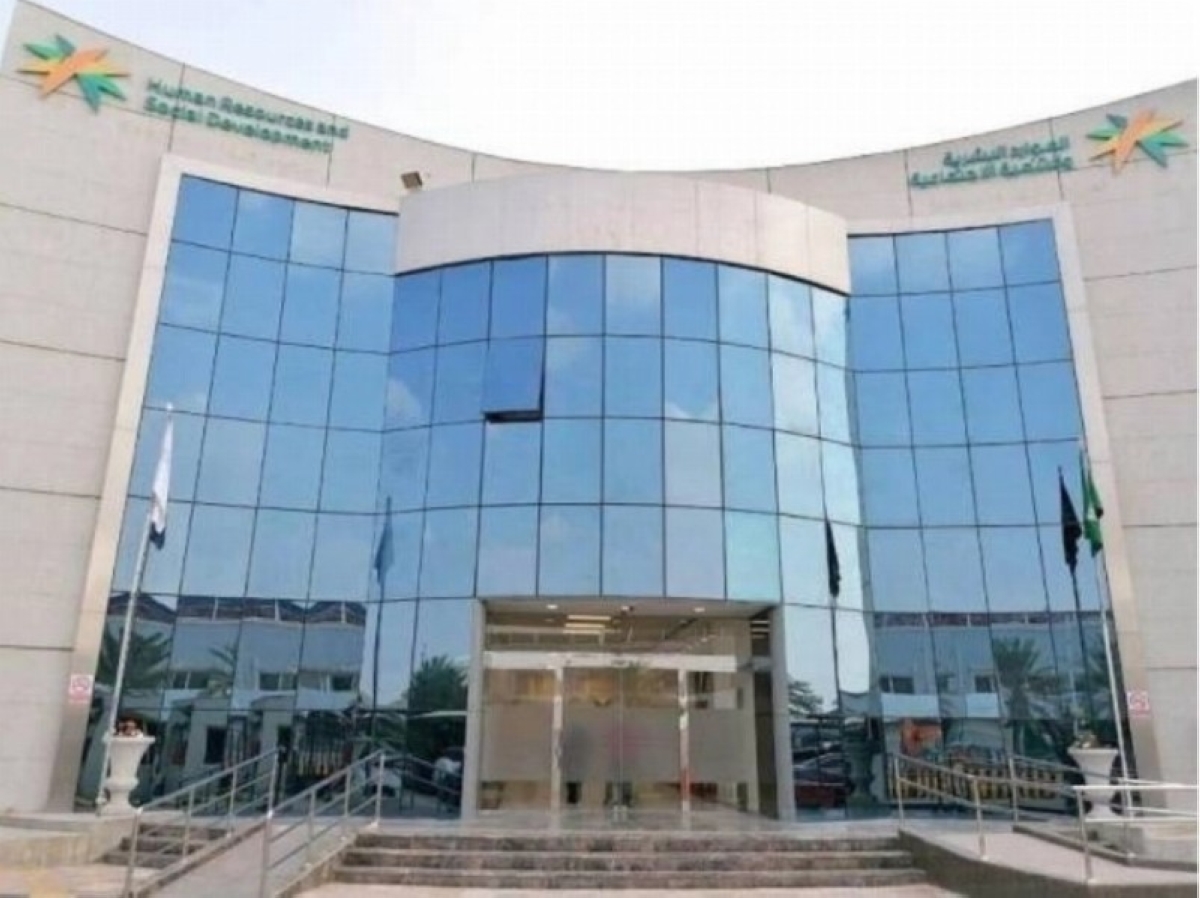

Riyadh – The Saudi Ministry of Human Resources and Social Development (MHRSD) has taken action against 17 recruitment offices for violations of labor regulations, signaling a continued crackdown on unethical practices within the sector. The enforcement actions, taken during the fourth quarter of 2025, included the suspension of six offices and the revocation of licenses for eleven others. This move aims to protect the rights of both workers and employers and improve the overall transparency of the Saudi labor market.
The MHRSD’s inspections, conducted throughout Q4 2025, revealed a range of infractions. These included non-compliance with established recruitment rules, significant delays in processing refunds to clients, and a failure to adequately address and resolve filed complaints. The ministry announced these results as part of its ongoing commitment to regulating the industry and ensuring fair labor practices.
Strengthening Oversight of Recruitment Agencies
The recent actions by the MHRSD represent a significant escalation in efforts to regulate the Kingdom’s recruitment industry. Saudi Arabia has been actively working to diversify its economy and attract foreign investment, and a well-functioning labor market is considered crucial to these goals. However, reports of exploitative practices and unfair treatment of workers have prompted increased scrutiny of recruitment agencies.
According to the ministry, the six suspended offices were given an opportunity to rectify the identified issues, but failed to do so within the allotted timeframe. The eleven offices that had their licenses revoked demonstrated a more serious disregard for regulations or a persistent inability to meet required standards. The MHRSD did not publicly disclose the names of the penalized agencies.
Common Violations Identified
The ministry’s report indicates that a significant portion of the violations related to financial discrepancies. Delays in refunding fees to job seekers, particularly those whose applications were unsuccessful, were a recurring issue. Additionally, several offices were found to be charging excessive or unauthorized fees, contravening established guidelines.
Beyond financial concerns, the MHRSD also addressed complaints regarding inadequate contract transparency. Some offices were accused of failing to provide clear and comprehensive information about employment terms and conditions to prospective employees. This lack of transparency can leave workers vulnerable to exploitation and unfair labor practices.
Meanwhile, the MHRSD emphasized its commitment to ongoing monitoring and enforcement. The ministry stated it will continue to conduct regular inspections of recruitment agencies and impose penalties as necessary to maintain compliance. This proactive approach is intended to deter future violations and foster a more ethical and responsible industry.
Utilizing the Musaned Platform for Secure Recruitment
The MHRSD actively promotes the use of its Musaned platform as a key tool for both employers and job seekers. Musaned facilitates electronic contracting with accredited recruitment providers, offering a secure and transparent process. The platform also provides resources for evaluating agencies and submitting complaints.
Additionally, Musaned allows beneficiaries to track the status of their complaints and receive updates on resolution efforts. The ministry believes that increased utilization of the platform will empower individuals to protect their rights and hold recruitment agencies accountable. The platform is designed to streamline the employment process and reduce the potential for fraud or abuse.
The MHRSD encourages individuals who encounter issues with recruitment agencies to report them through the unified number 920002866 or directly via the Musaned application. This reporting mechanism allows the ministry to gather data on emerging trends and target its enforcement efforts effectively. The ministry also provides guidance on labor laws and worker rights through its website and other channels.
In contrast to previous periods of less stringent oversight, the MHRSD’s recent actions demonstrate a clear commitment to enforcing regulations and protecting stakeholders. This shift reflects a broader effort to improve the overall quality of the labor market and attract skilled workers to Saudi Arabia.
Looking ahead, the MHRSD is expected to continue its inspection campaigns and refine its regulatory framework based on the findings of these investigations. The ministry has not announced a specific deadline for the next phase of enforcement, but it is anticipated that further actions will be taken against non-compliant agencies. The effectiveness of the Musaned platform and the ongoing monitoring efforts will be key factors to watch in the coming months as the MHRSD strives to create a more equitable and transparent recruitment landscape.