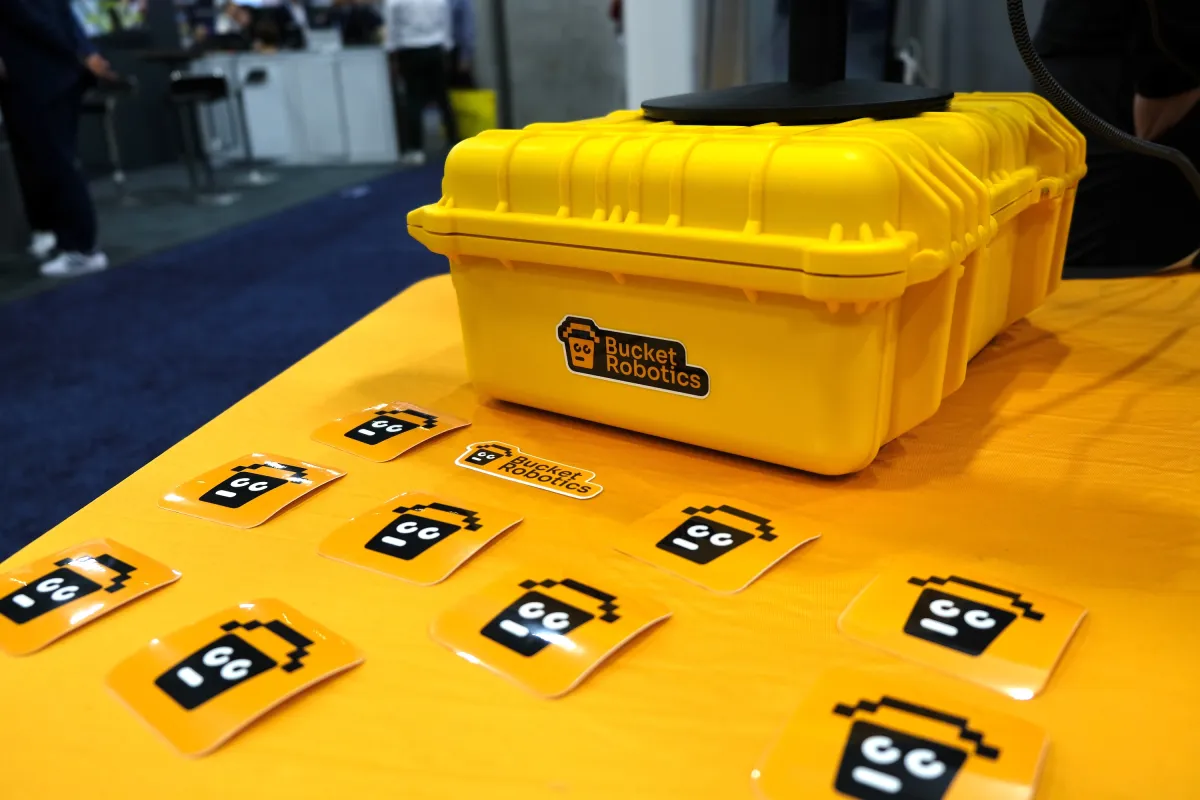

Las Vegas recently hosted the annual Consumer Electronics Show (CES), a sprawling event showcasing the latest technological innovations. Among the thousands of exhibitors was Bucket Robotics, a San Francisco-based startup focused on automating quality inspection processes in manufacturing. Despite being a relatively small player, the company reported significant interest in its vision systems designed to improve surface defect detection and accelerate the trend of domestic manufacturing.
The company’s founder and CEO, Matt Puchalski, demonstrated a commitment to the event, even driving a rented Hyundai Santa Fe packed with equipment to avoid potential flight delays. This dedication underscores the importance of CES for emerging tech companies seeking visibility and partnerships.
Automating Quality Control with Advanced Vision Systems
Bucket Robotics aims to address a persistent challenge in manufacturing: the reliable and efficient detection of surface defects. While automated systems excel at identifying structural flaws, assessing cosmetic imperfections – scratches, color variations, or blemishes – often relies on manual inspection. According to Puchalski, this process is frequently outsourced to specialized workforces.
The company’s approach leverages artificial intelligence and computer vision. Instead of requiring extensive, manually labeled datasets for training, Bucket Robotics generates synthetic defects based on the original Computer-Aided Design (CAD) files of a product. This allows their software to quickly learn to identify anomalies and deploy on production lines within minutes, even as product designs or manufacturing processes evolve.
Addressing a Growing Need for Onshoring
The rise of Bucket Robotics coincides with a broader push to onshore manufacturing, particularly in critical sectors like automotive and defense. Supply chain disruptions highlighted during the COVID-19 pandemic and geopolitical tensions have prompted companies and governments to prioritize domestic production capabilities. Automated quality control solutions, like those offered by Bucket Robotics, are essential for making onshore manufacturing competitive.
The company’s technology is designed to integrate seamlessly into existing production lines without requiring significant hardware investments. This ease of implementation is a key selling point, allowing manufacturers to quickly adopt the system and realize its benefits. Bucket Robotics has already secured customers in both the automotive and defense industries, positioning itself as a “dual-use” technology provider.
Early Traction and Industry Validation at CES
CES provided a crucial platform for Bucket Robotics to showcase its technology and connect with potential clients and investors. Puchalski reported consistent engagement throughout the week, with attendees demonstrating strong technical interest in the company’s approach to surface inspection. He noted numerous in-depth conversations with professionals from manufacturing, robotics, and automation backgrounds.
The company’s booth attracted attention, and Puchalski spent the week following up on leads generated at the show. This initial traction suggests a growing demand for automated quality inspection solutions, particularly those that can address the complexities of surface defect detection. The event also facilitated networking with industry peers and potential collaborators, strengthening the company’s position within the ecosystem.
Secondary keywords gaining prominence in the manufacturing tech space include computer vision and AI-powered inspection. Bucket Robotics’ success at CES demonstrates the potential of these technologies to transform traditional manufacturing processes.
While the company’s initial focus is on automating existing inspection tasks, Puchalski emphasized that the technology can also help identify the root causes of defects, leading to improvements in the overall manufacturing process. He doesn’t view the technology as replacing human inspectors entirely, but rather as augmenting their capabilities and freeing them up to focus on more complex problem-solving.
Looking ahead, Bucket Robotics faces the challenges of scaling its operations, securing further funding, and converting initial interest into long-term commercial agreements. The company is currently focused on expanding its customer base and refining its technology based on feedback from early adopters. The next several months will be critical as Bucket Robotics works to establish itself as a leading provider of automated quality inspection solutions, and potential investors will be watching closely to see if the company can deliver on its promises.