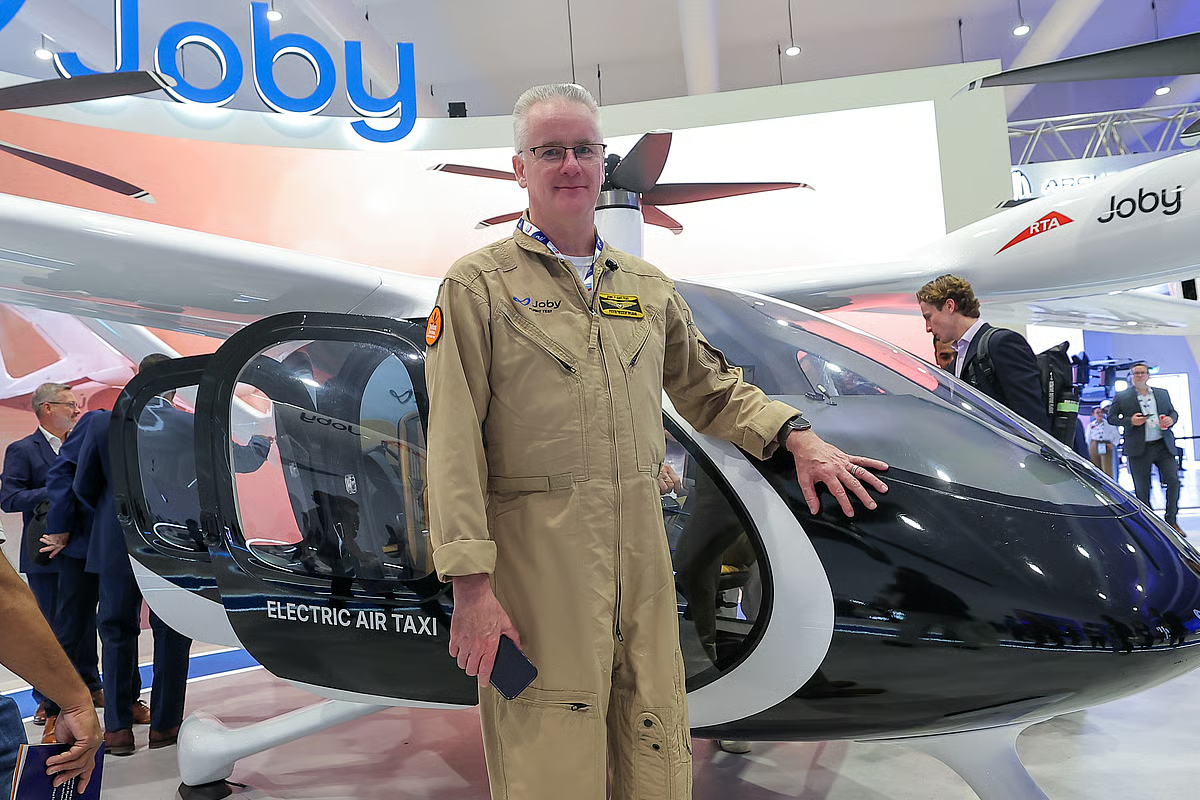

The future of urban transportation is taking flight, and a surprising number of professionals are finding their way into the nascent field of air taxi piloting. Joby Aviation, a leading developer of electric vertical takeoff and landing (eVTOL) aircraft, is actively training pilots – many with backgrounds in conventional aviation and even military flight – to operate these innovative vehicles. This transition highlights the emerging opportunities within electric aviation as the industry moves closer to commercialization.
Based in California, Joby is one of several companies vying to establish a network of on-demand air transportation services. The company recently detailed its pilot training program, revealing a quicker path to proficiency than traditional aviation. This rapid training is facilitated by the advanced design and inherent stability of eVTOL aircraft, but still requires a solid foundation in flight principles, according to company officials.
The Path to Becoming an Air Taxi Pilot
While the vision of widespread air taxi services conjures images of futuristic commutes, the current pathway for pilots remains rooted in established aviation certification. A commercial pilot’s license is a fundamental requirement, mirroring the qualifications needed for airline or charter operations. However, the training beyond that point differs significantly.
Foundation in Traditional Flight
Currently, the most cost-effective route to obtaining a commercial pilot’s certificate involves training in a single-engine airplane. This typically requires around 500 hours of flight time and can cost several hundred US dollars per hour, according to industry estimates. The emphasis is on building core piloting skills and understanding aviation regulations.
Specialized eVTOL Training
Once a commercial certificate is secured, aspiring air taxi pilots undergo specialized training on the specific eVTOL aircraft, such as Joby’s S4. Joby’s program is surprisingly concise: just 25 hours of flight training are needed to achieve proficiency in their aircraft. The company reports that a pilot could potentially demonstrate basic flight control within minutes in a simulator, thanks to the vehicle’s simplified control systems.
This accelerated training is a direct result of the differences between conventional aircraft and eVTOLs. Electric aircraft can boast more robust automated systems and inherently stable designs, reducing the complexity of piloting tasks. The shift isn’t about *less* skill, but a different skill set, concentrating on systems management and operational procedures within an urban air mobility (UAM) framework.
From Fighter Jets to Electric Skies
The transition isn’t limited to pilots moving from small planes. Joby employs pilots with experience in highly demanding aircraft, like fighter jets. One such pilot, as reported recently, logged hundreds of hours in remote operation initially, testing the aircraft’s capabilities without a pilot on board.
This phased testing approach is standard practice in the development of new aviation technologies. Remote controlled flights allow engineers to push the aircraft’s boundaries and identify potential issues in a safer environment. Only after extensive remote testing are pilots cleared for piloted flights. This de-risking strategy is crucial for ensuring the safety of these novel aircraft systems.
The appeal for seasoned pilots like this lies in being at the forefront of a technological revolution. The electric aviation sector offers a chance to apply existing expertise to a new and rapidly evolving domain. This sentiment is echoed by the desire to remain engaged in cutting-edge technology following service on programs like the F-35.
Additionally, parallel to pilot training, advanced air traffic management (ATM) systems are under development. These systems are designed to handle the unique demands of a high-volume, low-altitude airspace populated by numerous eVTOL aircraft. Integration of these systems is critical for safe and efficient UAM operations.
Challenges and the Future of Air Taxi Operations
Despite the promising advancements, several challenges remain before air taxi services become commonplace. Regulatory hurdles, public acceptance, and the development of robust infrastructure – including vertiports for takeoff and landing – are all key areas requiring attention. Securing type certification from the Federal Aviation Administration (FAA) is a major milestone for manufacturers like Joby.
Joby Aviation is currently working towards securing FAA certification for its S4 aircraft. The company anticipates commencing commercial operations in 2025, pending regulatory approval. The timeline for wider adoption of air taxi services, and the specific locations where they will first launch, remain uncertain and will depend heavily on overcoming these ongoing challenges and demonstrating the economic viability of this new form of transportation.