



The path to profitability for online content creation has been a long and evolving one. For many years, individuals dedicated to producing videos, articles, and other digital media found it difficult to monetize their efforts, relying instead on passion and personal investment. However, the landscape has dramatically shifted, particularly in the last decade, as platforms mature and new revenue streams emerge, allowing creators to build sustainable careers.
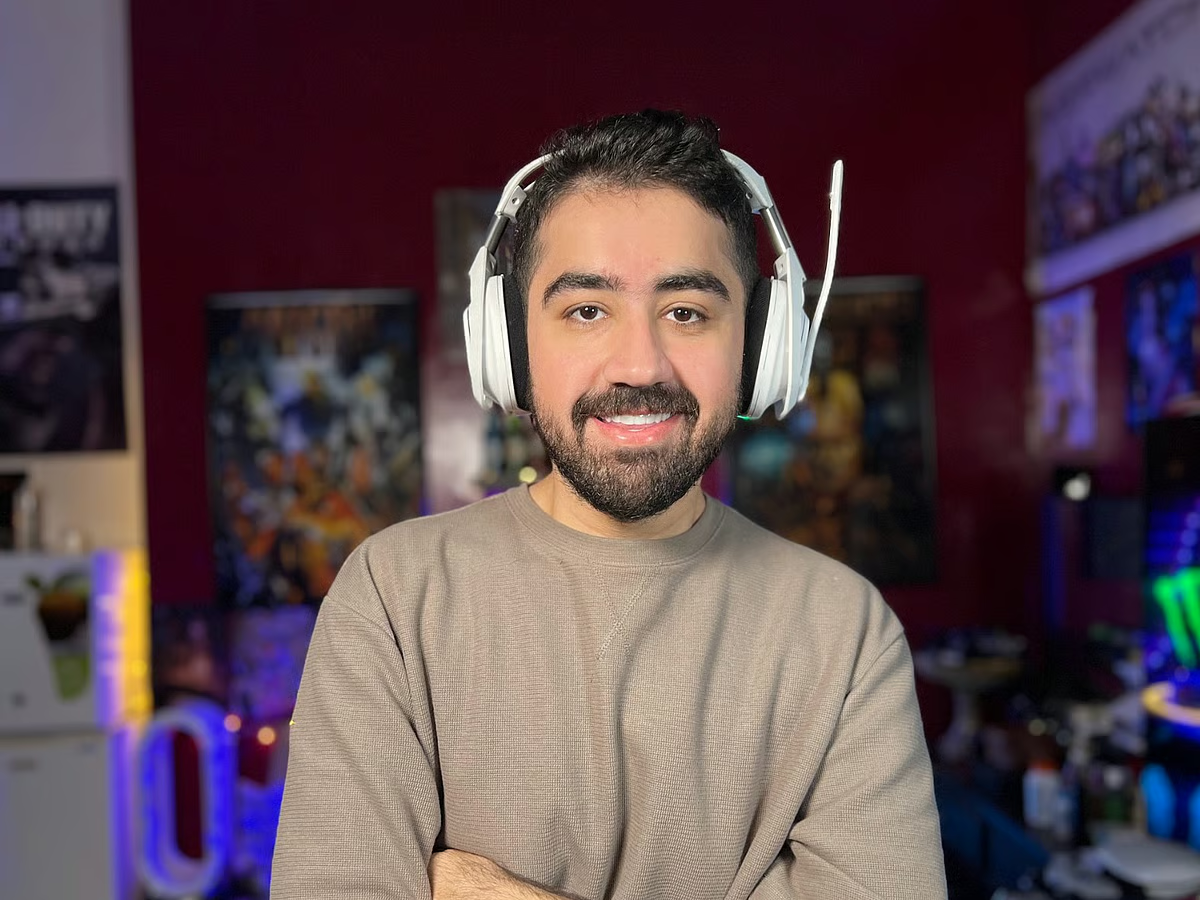
Bachar Alkayal, a gamer and content creator based in the United Arab Emirates, exemplifies this transformation. Starting as a 13-year-old enthusiast, Alkayal’s journey illustrates the challenges and eventual rewards of building an audience and turning a hobby into a profession. Today, he boasts nearly four million followers across multiple platforms, a testament to dedication and adaptability.
The Evolution of Gaming Content Monetization
Initially, Alkayal’s efforts yielded no financial return. He consistently uploaded content driven by his enthusiasm for gaming, a common experience for early adopters of platforms like YouTube. This period, spanning several years, was characterized by significant time and effort with limited tangible benefits.
A turning point arrived around 2016 when his YouTube channel surpassed 100,000 subscribers. This milestone prompted experimentation with different content formats, including “Top 10” lists and rankings, which proved highly engaging. Consequently, video views began to climb, reaching one million per upload.
Even with increased viewership, immediate financial success wasn’t guaranteed. Alkayal continued to work as a civil engineer while simultaneously managing his growing online presence. He strategically included his email address in video descriptions, which gradually led to inbound inquiries and, eventually, paid opportunities.
From Side Hustle to Full-Time Career
By 2020, balancing a full-time engineering job with the demands of a rapidly expanding gaming channel became unsustainable. Alkayal made the decision to pursue gaming content creation as his primary career. This transition coincided with a broader shift in the digital media landscape.
In 2021, Alkayal reached one million YouTube subscribers. Simultaneously, he recognized the increasing importance of short-form video content and began adapting his strategy for platforms like Instagram and TikTok. These platforms allowed him to deliver concise, engaging updates on new games, players, and industry trends.
While YouTube ad revenue contributed to his income, Alkayal noted that earnings in the Middle East region are generally lower compared to markets like the United States. The majority of his revenue now comes from sponsorships, commissions, and promotional partnerships. He currently estimates monthly earnings between $15,000 and $20,000 USD, depending on the specific deals secured.
The Power of Niche Audiences and Brand Partnerships
Alkayal’s success highlights the value of cultivating a dedicated niche audience. His consistent focus on video game content has attracted a large and engaged following, particularly within the UAE and the wider Middle East. This concentrated audience is highly attractive to brands seeking to connect with gamers.
Today, Alkayal collaborates with a diverse range of companies, including game publishers, hardware manufacturers, and tech brands. These partnerships provide a substantial revenue stream and demonstrate the growing commercial viability of the gaming content creation industry. The ecosystem surrounding his work has become a fully-fledged business.
The story of Bachar Alkayal is not unique. Many creators have experienced similar trajectories, moving from unpaid passion projects to sustainable careers. This shift has been fueled by platform development, evolving audience preferences, and the increasing recognition of digital marketing’s effectiveness.
Looking ahead, the creator economy is expected to continue its expansion. The rise of virtual and augmented reality, alongside the ongoing development of new social media platforms, will likely create further opportunities for content creators. However, maintaining audience engagement and adapting to platform algorithm changes will remain crucial for long-term success. The future of monetization may also involve greater integration with Web3 technologies and the metaverse, but the specifics of these developments remain uncertain.