
The landscape of startup launches is undergoing a significant shift, driven by the increasing integration of artificial intelligence. Traditionally, a robust go-to-market (GTM) strategy required substantial resources, but experts now suggest AI is enabling companies to achieve more with less. This change impacts everything from team composition to lead generation and marketing execution, forcing a re-evaluation of established practices.
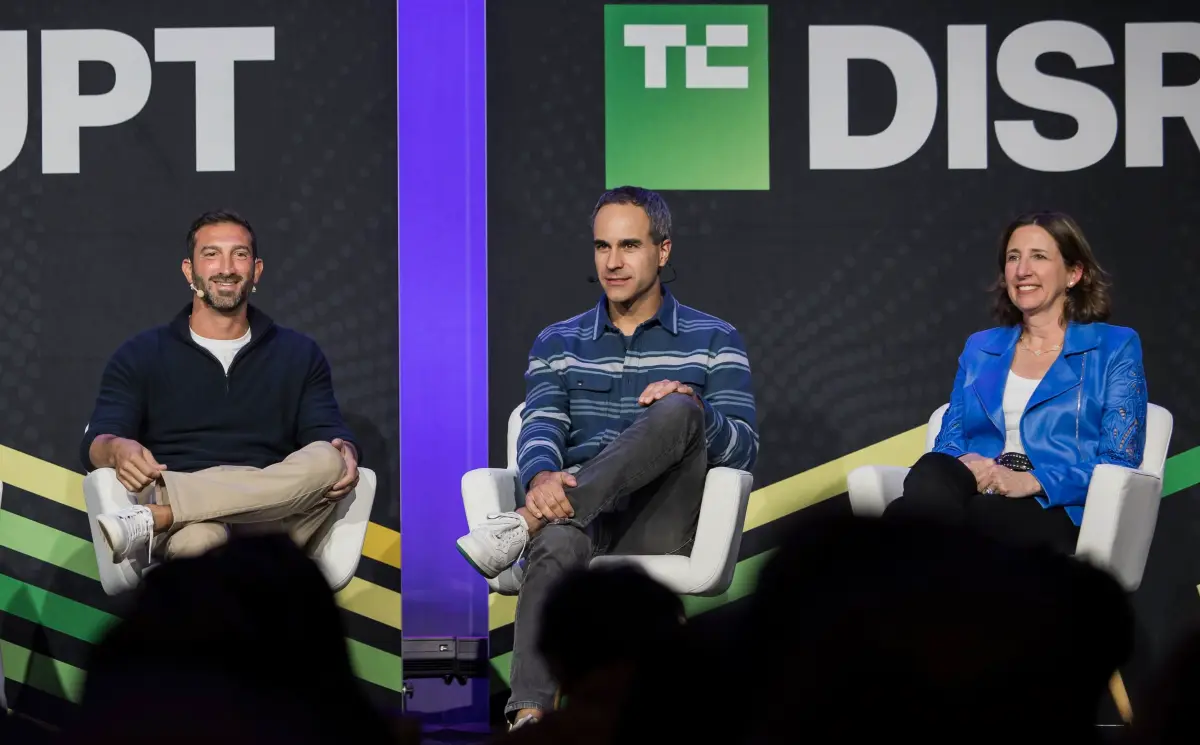
Recent discussions at industry events like TechCrunch Disrupt highlight this evolving dynamic. While the core principles of marketing remain vital, the tools and methods for implementing a go-to-market strategy are being rapidly redefined by AI capabilities.
AI’s Impact on Go-to-Market Strategies
For years, startups relied on predictable playbooks for launching their products and services. These often involved dedicated teams for specific marketing functions, extensive market research, and a phased rollout. However, the emergence of powerful AI tools is challenging this model. According to Max Altschuler, general partner at GTMfund, AI allows startups to amplify their efforts and achieve greater impact with a leaner team.
This doesn’t mean traditional expertise is obsolete. Altschuler emphasized the continued need for a foundational understanding of marketing principles. He stated that while AI can automate tasks and provide insights, experienced advisors are still crucial for navigating the complexities of a successful launch.
The Evolving Role of Marketing Teams
Alison Wagonfeld, vice president of marketing at Google Cloud, echoed this sentiment, asserting that the “craft of marketing” is still essential. She explained that AI complements, rather than replaces, the need for customer insights, creative development, and a clear understanding of marketing’s purpose.
However, the skills required within marketing teams are changing. Wagonfeld suggests a shift in hiring priorities, focusing on curiosity and adaptability over narrow specialization. The ability to quickly learn and apply new AI technologies is becoming a highly valued asset.
Enhanced Lead Generation and Qualification
One of the most immediate impacts of AI is in the area of lead generation. Marc Manara, head of startups at OpenAI, noted that AI-powered tools are enabling startups to identify and target prospective customers with unprecedented precision.
Instead of relying on broad database queries, companies can now use AI prompts to define highly specific customer profiles. This allows for more focused outreach and a higher conversion rate. Furthermore, AI is improving inbound marketing by more accurately qualifying and scoring leads, streamlining the sales process and maximizing efficiency. This is a key aspect of sales and marketing alignment.
The ability to personalize messaging at scale is another significant benefit. AI can analyze customer data to tailor communications, increasing engagement and driving sales. This level of personalization was previously unattainable for many startups due to resource constraints.
Balancing AI with Domain Expertise
While AI offers powerful capabilities, experts caution against relying on it exclusively. The need for deep domain expertise remains critical, particularly in understanding customer behavior and crafting compelling value propositions.
The most successful startups will likely be those that effectively integrate AI into their existing market entry strategy, leveraging its strengths to augment human capabilities. This involves identifying areas where AI can automate repetitive tasks, provide data-driven insights, and personalize customer interactions, while still retaining a strong focus on strategic thinking and creative execution.
Additionally, the ethical considerations of using AI in marketing cannot be ignored. Companies must ensure that their AI-powered systems are transparent, fair, and compliant with data privacy regulations. Building trust with customers is paramount, and any perceived misuse of AI could damage a brand’s reputation.
The adoption of AI is also influencing the overall speed of go-to-market processes. Wagonfeld pointed out that AI allows teams to iterate faster, test more hypotheses, and quickly adapt to changing market conditions. This agility is particularly important in today’s rapidly evolving business environment.
Looking ahead, the integration of AI into go-to-market strategies is expected to deepen. Further advancements in natural language processing and machine learning will likely unlock even more sophisticated applications, such as automated content creation and predictive analytics. The challenge for startups will be to stay ahead of the curve and continuously adapt their approaches to leverage the latest AI innovations. The long-term effects on marketing budgets and team structures remain to be seen, and will likely vary depending on the industry and target market.