



The world is poised to spend $580 billion on data centers this year, surpassing investment in traditional energy sources like oil exploration and production, according to a recent report by the International Energy Agency (IEA). This substantial financial commitment highlights a significant shift in global economic priorities and raises pertinent questions about the energy demands of rapidly expanding artificial intelligence infrastructure. Concerns loom over the potential for increased pressure on already strained electrical grids, as well as the broader environmental impact of these power-hungry facilities.
The IEA report reveals that investment in data centers is now $40 billion higher than spending on new oil supplies. This surge is largely driven by the escalating requirements of generative AI technologies like ChatGPT and the ambitious expansion plans of major AI developers. Companies like OpenAI, Meta, and Anthropic have collectively committed trillions of dollars to building new server farms to support their continued growth.
The Growing Demand for Data Centers and Their Energy Footprint
The sheer scale of planned data center construction is unprecedented. OpenAI has pledged $1.4 trillion towards new facilities, while Meta is committing $600 billion and Anthropic recently announced a $50 billion data center plan. Much of this investment is concentrated in the United States, with approximately half of the projected electricity demand coming from the country, and the remainder split between China and Europe. However, this concentration poses challenges regarding grid infrastructure and connection pathways.
Currently, many new data centers are being constructed near or within cities with populations of around one million people. This proximity will require significant upgrades and expansions to existing electrical grids to handle the increased load. The challenge isn’t just about capacity, but also about reliability, as regions like Texas have already experienced rolling blackouts during periods of peak demand.
Renewable Energy as a Potential Solution
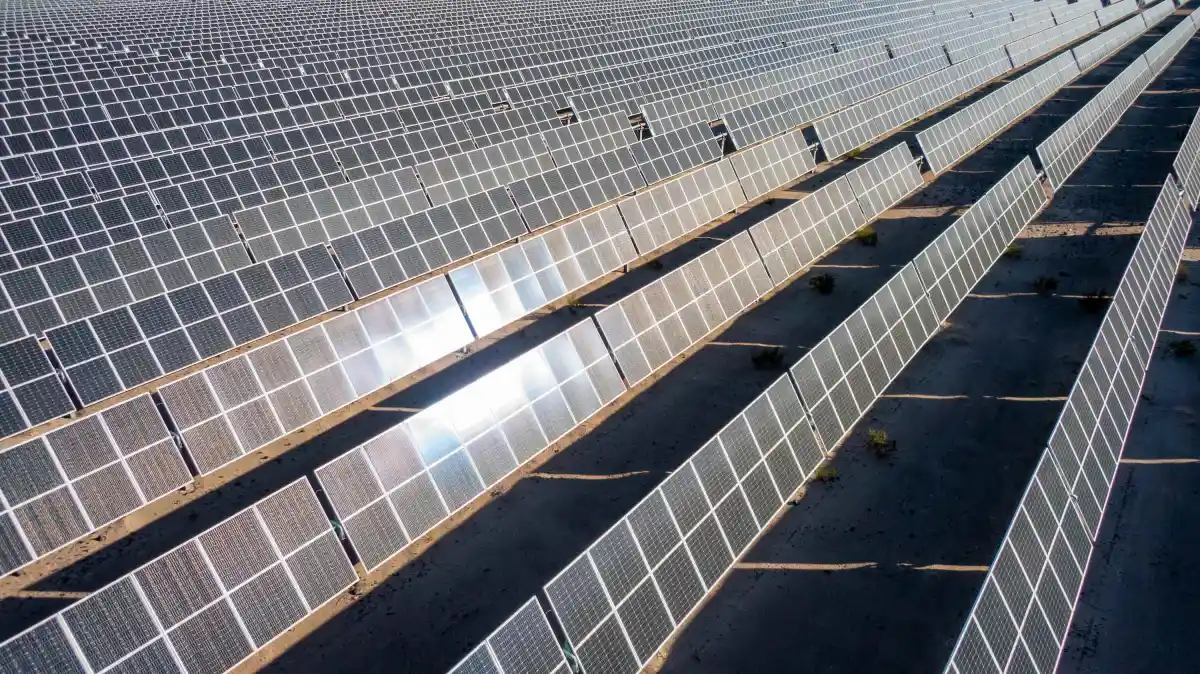
Despite the significant energy requirements, there’s growing optimism that the expansion of data centers can also spur investment in renewable energy sources. Regulatory hurdles and cost considerations are increasingly favoring renewable energy solutions, such as solar power, for these facilities. Securing permits for new renewable energy projects is often easier than for traditional power plants, making it an attractive option for data center operators.
Redwood Materials, through its new Redwood Energy division, is exploring innovative solutions by repurposing older electric vehicle batteries into microgrids specifically tailored for AI data centers. This approach could alleviate some of the strain on the electrical grid and offer a more sustainable power source. The success of Redwood Energy and similar companies will be crucial in mitigating the environmental impact of the burgeoning AI industry. Investment in energy storage is also a related area expected to see growth.
Government Support and Economic Considerations
The financial burden of building these massive data centers is prompting discussion about potential government support. OpenAI’s CFO previously suggested that the government should backstop loans for data center construction, though she later clarified her remarks. The company is also seeking to expand tax credits available through the CHIPS Act to help offset the enormous capital expenditure. This signals that the development of these facilities may require a collaborative effort between the private sector and government agencies.
Additionally, the physical landscape is expected to undergo a transformation due to the construction of these large-scale projects. Beyond the environmental impact, the sheer volume of building activity will undoubtedly reshape areas surrounding the new facilities. However, uncertainty exists regarding whether all planned data centers will actually be built, given the substantial investment required and potential economic fluctuations.
Looking ahead, the next few years will be critical in determining how successfully the world can balance the increasing demand for AI processing power with the need for sustainable energy solutions. Monitoring the implementation of renewable energy initiatives, government policies regarding financial support, and the actual construction progress of planned data centers will be key indicators of the industry’s trajectory. The conversation surrounding grid capacity and resilience will also likely intensify as AI continues to evolve and permeate more aspects of daily life.