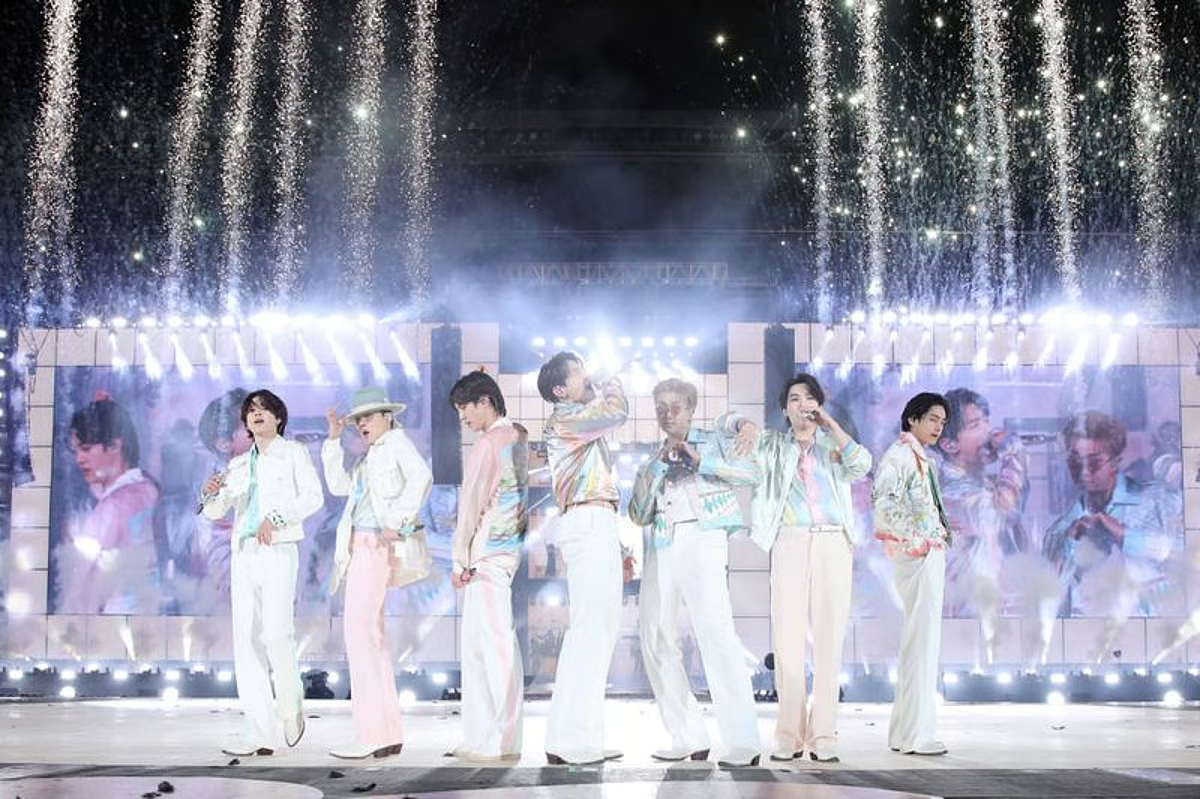

The potential arrival of global music sensations like BTS is poised to deliver a significant boost to tourism in the Middle East, with immediate impacts expected across travel, hospitality, and consumer spending. Experts predict a surge in international arrivals and hotel occupancy rates in host cities, alongside increased airline bookings. This influx of visitors represents a substantial, albeit potentially temporary, economic opportunity for the region.
According to Dr. Ross Curran, Associate Professor at Heriot-Watt University Dubai, concerts by major international artists will create an “immediate spike” in key economic indicators. This includes not only direct spending on tickets but also a broader ripple effect encompassing dining, retail, transportation, and attractions. Airports are also likely to experience increased traffic beyond typical seasonal patterns.
The Economic Impact of Tourism Spikes
The hospitality sector stands to be one of the most significant beneficiaries of increased tourism. Hotels located near concert venues are anticipated to operate at near-full capacity, with the ability to implement premium pricing during the event period. Airlines will likely see higher load factors, maximizing revenue on flights to and from the host city.
However, the economic benefits extend beyond these core industries. Restaurants, food suppliers, and local transportation networks will all experience increased demand. Telecommunications providers may also see a rise in usage as visitors connect and share their experiences. This interconnectedness highlights the broad economic footprint of large-scale events.
Operational Considerations for Host Cities
Successfully hosting a major concert series requires more than just venue availability. Cities must demonstrate operational maturity in areas like crowd management and transportation logistics. The ability to maintain normal business activity alongside the influx of event attendees is also crucial.
Fortunately, the Middle East has considerable experience in hosting mega-events, such as the FIFA World Cup in Qatar and Expo 2020 in Dubai. This regional expertise suggests that potential disruption risks are manageable, and cities are well-prepared to handle the logistical challenges.
Beyond the Immediate Gains: Long-Term Positioning
While the immediate economic impact is substantial, the longer-term benefits of hosting globally recognized artists are potentially even greater. Such events reinforce a city’s reputation as a credible entertainment hub, influencing future travel decisions and attracting a wider range of visitors. This is a key component of destination marketing and branding.
Dr. Curran emphasizes that hosting a concert like BTS’s can “support positioning a host city as an entertainment hub, encouraging repeat visits and longer stays.” Cities that proactively build events calendars around music, sports, and festivals are more likely to convert these episodic spikes in tourism into sustained growth. Factors like venue quality, safety perceptions, and ease of travel all contribute to this conversion.
Historical precedent supports this idea. Cities like Liverpool, inextricably linked to The Beatles, and London, a perennial magnet for world tours, have successfully leveraged musical performances to shape their cultural identities and attract tourists for decades. Iconic events can leave lasting legacies that extend far beyond the immediate timeframe.
The Social Benefits of Cultural Events and Tourism
The impact of increased tourism isn’t solely economic; large-scale cultural events also carry significant social weight. Particularly in regions with a young and globally connected population, these events provide opportunities for shared experiences and cultural exchange.
Research suggests that participation in concerts and similar events can promote well-being and happiness among attendees. This “softer dividend” aligns with broader policy goals focused on improving quality of life, fostering creative industries, and engaging youth. When integrated with a comprehensive tourism strategy, culture can be recognized as a valuable economic asset.
Furthermore, the increased visibility associated with hosting international events can enhance a city’s global image and attract investment in related sectors, such as arts and entertainment. This creates a positive feedback loop, driving further growth and development.
Looking ahead, the success of these events will depend on how effectively host cities can capitalize on the momentum generated. Investment in infrastructure, continued promotion of cultural offerings, and a focus on visitor experience will be crucial. Monitoring the long-term impact on repeat visitation rates and overall tourism revenue will be essential to assess the true value of these investments. The next few months will reveal which cities actively pursue these opportunities and how they shape their future as entertainment destinations.