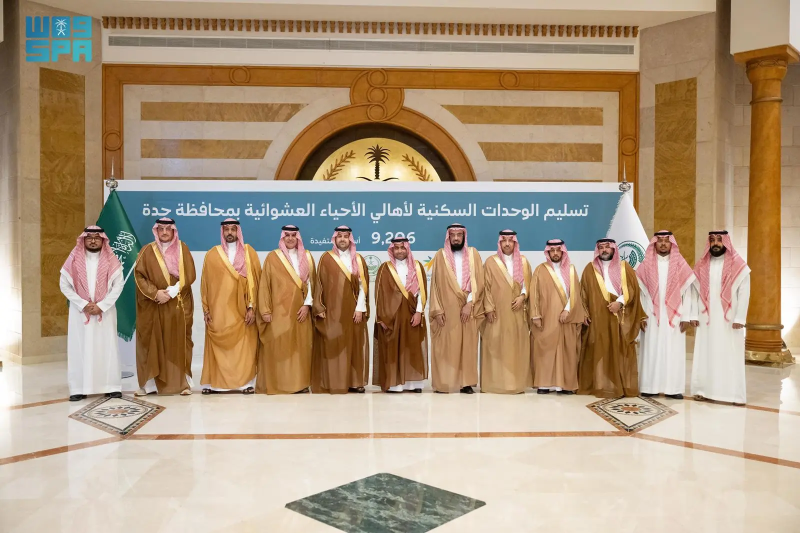

More than 9,000 families in Jeddah, Saudi Arabia, have recently received allocations for new housing units as part of a major initiative to address long-standing issues with undeveloped neighborhoods. The distribution, which took place on Wednesday, marks a significant step in improving living conditions for residents who have previously lacked access to essential infrastructure and services. The project is being overseen by the Makkah emirate and the Ministry of Municipalities and Housing.
The handover ceremony, held at the Jeddah governorate headquarters, saw Dr. Mohammed Al-Bolahid, undersecretary at the Makkah emirate, officially present the keys to 9,206 families. Deputy Minister of Municipalities and Housing for Housing Supply and Real Estate Development Abdulrahman Al-Tawil was also present at the event, underscoring the national importance of the program. This initiative directly addresses a critical need for affordable housing in a rapidly growing urban center.
Addressing Jeddah’s Undeveloped Neighborhoods and the Need for Housing
Jeddah has long faced challenges related to the proliferation of unplanned and undeveloped neighborhoods, often lacking basic amenities like paved roads, sanitation systems, and reliable utilities. These areas, frequently characterized by informal construction, pose significant obstacles to sustainable urban development and quality of life. The current effort represents a concerted push to rectify these issues and provide formal housing solutions for affected residents.
The Scope of the Problem
According to reports from the Ministry of Municipalities and Housing, the number of undeveloped neighborhoods in Jeddah has been a growing concern for decades. These neighborhoods often arise due to rapid population growth and limited planning, resulting in haphazard development. The lack of infrastructure not only impacts residents’ daily lives but also hinders economic opportunities and public safety.
The initiative to remove these neighborhoods and provide alternative housing is part of a broader national strategy to improve urban planning and address housing shortages across Saudi Arabia. The Kingdom’s Vision 2030 plan places a strong emphasis on increasing homeownership rates and enhancing the quality of life for citizens. This project aligns directly with those goals.
However, the process of relocating residents from undeveloped neighborhoods is complex. It requires careful planning, transparent communication, and adequate compensation for those affected. The Makkah emirate and the Ministry of Municipalities and Housing have stated their commitment to ensuring a smooth and equitable transition for all beneficiaries.
The Role of Prince Saud bin Mishaal
The project’s progress is being closely monitored by Prince Saud bin Mishaal, Deputy Emir of Makkah and chairman of the Main Committee for the Removal of Undeveloped Neighborhoods in the Jeddah Governorate. His leadership has been instrumental in securing funding and coordinating efforts between various government agencies. The committee is responsible for overseeing the entire process, from identifying beneficiaries to constructing new housing units.
The ministry said that the allocated units are designed to meet modern living standards and provide residents with access to essential services. Details regarding the types of housing provided – whether apartments, townhouses, or single-family homes – have not been widely publicized, but officials have indicated a variety of options are available to accommodate different family sizes and needs. The focus is on creating sustainable communities with access to schools, healthcare facilities, and recreational areas.
Meanwhile, the removal of undeveloped neighborhoods is expected to free up land for future development projects. This land can then be used to build new infrastructure, commercial centers, and additional housing, contributing to the overall economic growth of Jeddah. The long-term vision is to transform Jeddah into a more modern and livable city.
In contrast to previous, less coordinated efforts, this initiative benefits from a centralized planning process and significant government investment. This coordinated approach is intended to minimize disruption and ensure that the needs of residents are prioritized throughout the relocation process. The project also incorporates elements of sustainable urban development, aiming to create environmentally friendly and resilient communities.
The availability of affordable housing is a key factor in attracting and retaining talent in Jeddah, a major commercial hub. By addressing the housing needs of its residents, the city can enhance its competitiveness and attract further investment. The initiative also has the potential to reduce social inequalities and improve the overall well-being of the population.
Looking ahead, the Makkah emirate has not yet announced a specific timeline for the completion of the entire project. However, officials have indicated that they are committed to accelerating the pace of development and delivering more housing units to beneficiaries in the coming months. The success of this initiative will depend on continued collaboration between government agencies, private sector developers, and local communities. Monitoring the progress of infrastructure development in the newly allocated areas and addressing any challenges that arise will be crucial in ensuring the long-term sustainability of the project.