
The city of Manama is currently addressing a growing concern among residents: tree pruning and the associated fines for non-compliance. Recent reports indicate the municipality has begun issuing BD 100 penalties to homeowners whose trees encroach upon public streets, leading to debate and calls for improved maintenance from local Members of Parliament (MPs). This has sparked a conversation about balancing property rights with public safety and the overall aesthetic of Bahrain’s urban landscape.
Manama Residents Face Fines for Unpruned Trees
The issue came to a head during a meeting focused on the Muharraq Governorate. MPs voiced concerns over the enforcement of the fine and highlighted existing problems with the municipality’s tree maintenance program. Residents are understandably frustrated, especially those who have made efforts to comply with pruning requests, yet still receive penalties.
The core of the problem seems to be a disconnect between reported completion of work and official records. MP Ahmed Al-Maqahwi specifically raised the issue of residents receiving fines despite having already addressed the necessary pruning. This creates unnecessary inconvenience and erodes trust in the municipal system. He has formally requested access to the contract details relating to the workers within Muharraq Municipality’s Parks Department seeking greater transparency into service provision.
Understanding the Municipality’s Rationale
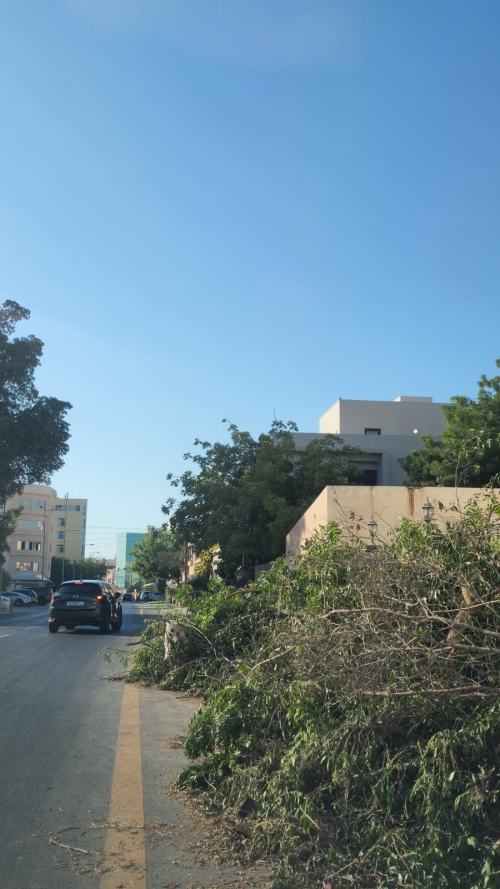
While the inconvenience to residents is a valid concern, the municipality’s focus on tree pruning stems from legitimate safety and logistical issues. Overgrown trees can obstruct street lighting, posing a security risk. Branches hanging low can also impede traffic flow, particularly for larger vehicles, and create potential hazards for pedestrians. Furthermore, unmaintained trees are more susceptible to falling branches, especially during inclement weather, which could lead to damage or injury.
Concerns Over Parks Department Staffing and Maintenance
Criticism wasn’t solely directed at the fining process. Muharraq Municipal Council Vice Chairman Saleh Bu Hazza delivered a strong rebuke of the current level of tree care across the governorate. He pointed to instances of fallen trees blocking streets, emphasizing a direct correlation between inadequate maintenance and these obstructions.
Bu Hazza attributed the ongoing issues to a persistent shortage of manpower within the Parks Department, despite repeated complaints made to address the issue. He highlighted a particularly troubling situation near the municipality building itself, where trees are actively causing damage to parked vehicles. This example underscores the urgency of the situation, demonstrating that even areas immediately surrounding official buildings are not immune to the impact of neglected trees.
Impact on Bahrain’s Image and Airport Road Safety
The issue extends beyond immediate safety concerns. MP Dalal Al-Maqahwi drew attention to the negative impact of overgrown trees on Bahrain’s overall image. Specifically, she stated that inadequate landscape maintenance along Airport Road diminishes the country’s presentation to visitors.
Airport Road is one of the first impressions many visitors receive, and unkempt greenery can project an image of neglect. More critically, she emphasized that poor pruning affects visibility for drivers, diminishing both safety and overall traffic management on a vital artery. This impact aligns with the country’s efforts to modernize its infrastructure and attract tourism.
Municipality Pledges Swift Action
Responding to the concerns raised, Muharraq Director General Khalid Al-Qallaf assured the MPs that the municipality would address the issues “promptly.” While the specifics of the planned improvements weren’t detailed in the reports, his commitment suggests an acknowledgment of the existing problems and a willingness to find solutions.
It’s likely this will involve a review of the current tree maintenance schedule, assessment of staffing levels within the Parks Department, and potentially increased budgetary allocation to support more frequent and comprehensive pruning services. Further transparency regarding fine issuance and a streamlined process for appealing penalties would also be beneficial in restoring public trust.
Looking Ahead: Balancing Enforcement and Service Delivery
The situation in Manama highlights a common challenge for municipalities worldwide: balancing the need for consistent enforcement of regulations with the provision of adequate services to support compliance. While fining homeowners whose trees pose a hazard is a justifiable measure, it becomes counterproductive when residents are penalized despite good-faith efforts to remedy the situation.
Moving forward, a collaborative approach is essential. The municipality should prioritize clear communication with residents regarding pruning requirements, establish a responsive system for reporting completed work, and ensure that the Parks Department has the resources necessary to maintain trees effectively. Only through a combination of proactive tree pruning initiatives and fair enforcement can Manama safeguard public safety, enhance its aesthetic appeal, and maintain positive relationships with its citizens. The upcoming review of processes and staffing will be a key indicator of the municipality’s commitment to resolving this issue.