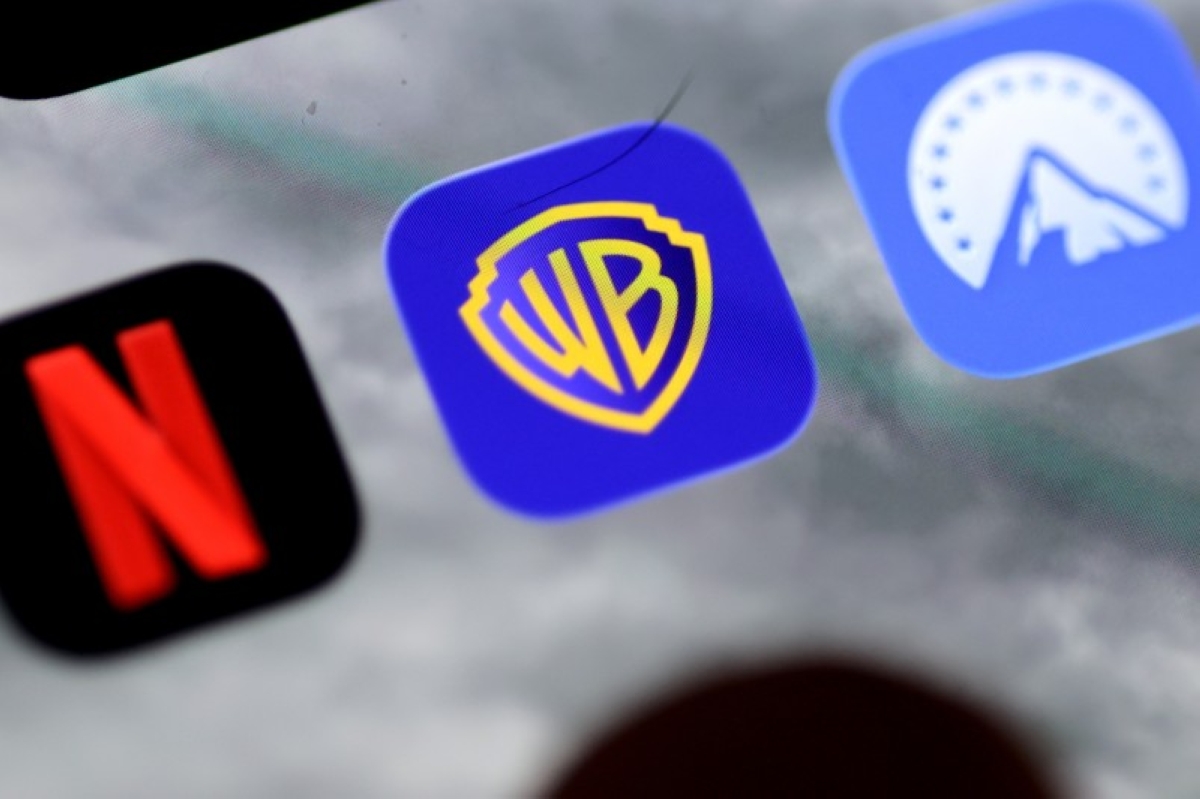

Los Angeles – The future of Warner Bros. is in serious doubt as potential buyers Netflix and Paramount Skydance compete for control of the iconic studio. This possible breakup or sale has sparked widespread anxiety throughout Hollywood, with many creative professionals fearing significant job losses and a further contraction of the entertainment industry. The situation underscores the ongoing disruption facing traditional media companies.
The uncertainty surrounding Warner Bros. comes at a particularly vulnerable time for the industry, already reeling from the effects of the recent writers’ and actors’ strikes and a broader slowdown in production. The outcome of the bidding war will likely reshape the landscape of film and television production and distribution, impacting countless individuals and projects.
The Battle for Warner Bros. and its Implications
Paramount Skydance has made a $108 billion bid for Warner Bros., backed by a combination of Gulf investors and a fund with ties to former President Donald Trump. This has raised concerns within Hollywood about potential political influence over content creation and distribution. Meanwhile, Netflix is reportedly interested in acquiring Warner Bros.’ core assets, including the studio itself and HBO.
According to reports, Netflix’s strategy would involve separating the legacy cable networks – CNN, TNT Sports, and Discovery – and selling them off independently. This approach reflects the streaming giant’s focus on direct-to-consumer entertainment and its evolving relationship with traditional television. The potential sale of CNN, in particular, has drawn public commentary from political figures, adding another layer of complexity to the situation.
Industry Concerns and the Post-Pandemic Landscape
The current turmoil is a continuation of the significant shifts experienced by Hollywood since the COVID-19 pandemic. A brief production surge in 2022 was followed by a near standstill during the 2023 labor disputes. Even after the strikes concluded, production levels have not fully recovered.
Many in the industry believe that a reduction in major studio buyers, regardless of who acquires Warner Bros., will make it more difficult to secure funding and distribution for film and television projects. This consolidation trend is further exacerbated by the rise of artificial intelligence, which poses a potential threat to creative jobs. The impact of streaming services on theatrical releases is also a key concern.
David Zaslav, CEO of Warner Bros Discovery, has faced criticism for the company’s financial performance and workforce reductions since the 2022 merger. While the company maintains that it has made progress in revitalizing the DC Universe and achieving profitability in its streaming division, many remain skeptical. The debate over Zaslav’s leadership highlights the challenges of navigating a rapidly changing media environment.
The Future of Film and Television
The potential acquisition of Warner Bros. by either Netflix or Paramount Skydance represents a significant turning point for the entertainment industry. Netflix’s involvement could accelerate the shift away from traditional theatrical releases, while Paramount Skydance’s bid raises questions about editorial independence. The term media consolidation is being used frequently in industry analysis.
However, some argue that Netflix has demonstrated a commitment to cinema through investments like the restoration of the Egyptian Theatre in Los Angeles. This suggests that the streaming giant may not entirely abandon the theatrical experience. The situation remains fluid, and the ultimate outcome is uncertain.
Despite the anxieties surrounding the sale, day-to-day operations at Warner Bros. continue. Tourists still visit the studio lot, and employees work to maintain a sense of normalcy. But veterans of past mergers warn that the loss of a major studio buyer will have lasting consequences for the industry.
Looking ahead, the next key date is reportedly February 16th, when Paramount Global is expected to report its earnings. This report could shed light on the company’s financial position and its willingness to pursue the Warner Bros. deal aggressively. The ongoing negotiations and potential regulatory hurdles mean the final resolution could still be months away, and the broader implications for Hollywood remain to be seen. The future of entertainment companies is clearly in a state of flux.
The situation with Warner Bros Discovery is being closely watched as a bellwether for the entire industry, signaling a period of continued transformation and uncertainty.