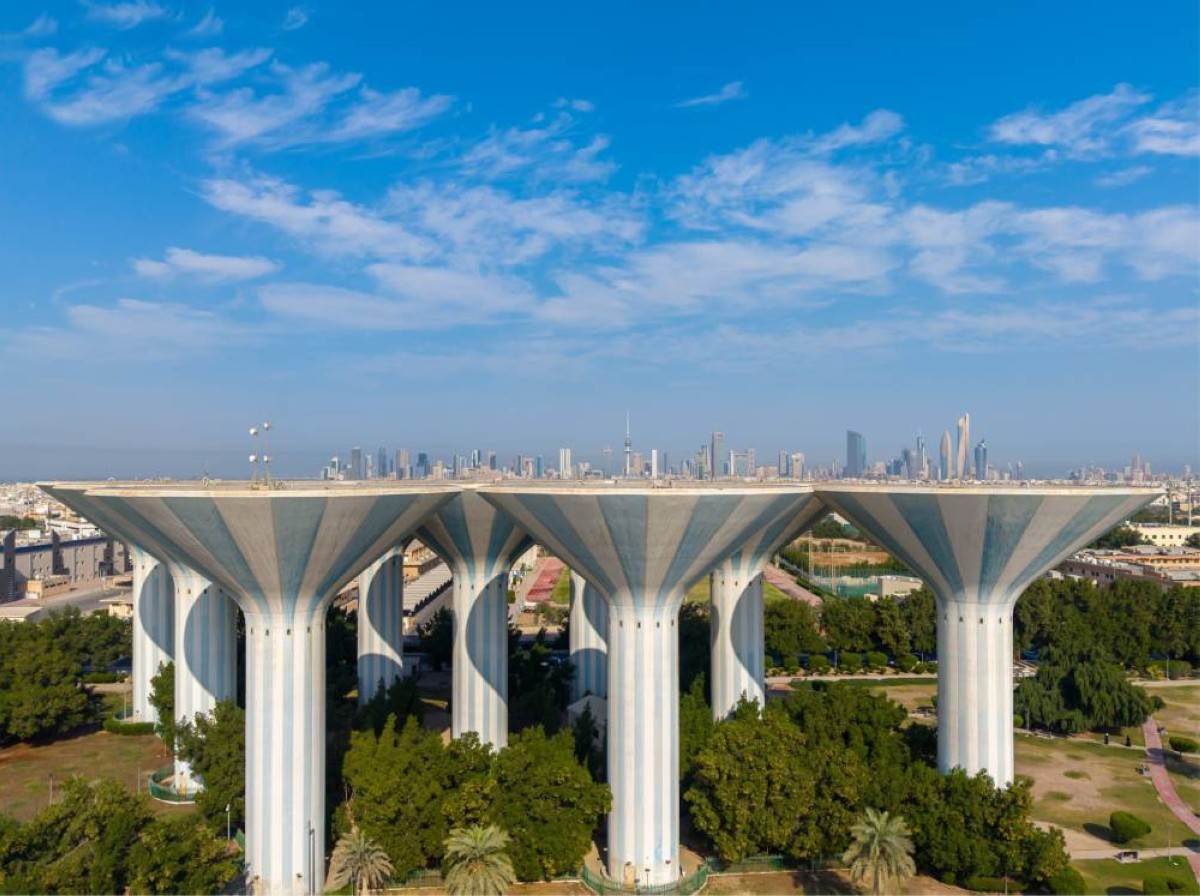

Kuwait is embarking on a significant economic revitalization plan, breathing new life into over two dozen state-owned assets. This ambitious undertaking, driven by the Public-Private Partnership Authority (PPPA), recently launched a major tender for consulting services, signaling a determined push towards boosting Kuwait projects and attracting both local and international investment. The initiative spans a diverse portfolio, from modern retail centers to historically significant marketplaces, promising a considerable impact on the country’s economy and urban landscape.
Revitalizing Kuwait’s Economy Through Public-Private Partnerships
The PPPA’s move underscores Kuwait’s commitment to diversifying its economy and reducing its reliance on oil revenues. By inviting consultancy firms to submit technical and financial proposals, the authority hopes to leverage private sector expertise in enhancing the efficiency and profitability of these state-owned assets. These infrastructure projects aren’t just about construction; they represent a broader strategy to modernize key sectors and improve the quality of life for citizens and residents alike.
The scope of work for the selected consultancy is extensive. It encompasses everything from comprehensive feasibility studies and the drafting of detailed tender documents to the rigorous evaluation of potential bidders for each individual project. Furthermore, the winning firm will be responsible for overseeing each project’s journey through to financial closure, ensuring a smooth and successful implementation.
Iconic Landmarks Included in the Tender
The list of Kuwait projects included in the tender reads like a who’s who of the country’s prominent properties. Several well-known retail destinations, such as Al-Kout, Marina Mall, and Kuwait Magic, are slated for upgrades and potential expansion. These shopping hubs are vital commercial and social spaces, and their revitalization will undoubtedly stimulate consumer spending and create employment opportunities.
However, the plan isn’t solely focused on modern developments. A key element of the initiative involves the restoration and modernization of Kuwait’s historic souks (markets), reflecting a commitment to preserving the country’s cultural heritage.
Unveiling Kuwait’s Historical Souks
Several iconic traditional markets are included:
- Souq Al-Mubarkiya: A vibrant hub for traditional goods, spices, and local crafts.
- Souq Al-Safat: Considered Kuwait’s historical commercial heart, this expansive market served as a critical trading point for caravans for centuries. Built in 1979, it sprawls over 18,385 square meters, offering substantial retail and parking space.
- Souq Al-Manakh: Once Kuwait’s unofficial stock exchange, the area now thrives with real estate and investment offices, located strategically opposite the current Kuwait Stock Exchange.
- Souq Al-Watiya: Renowned for its exquisite jewelry shops.
- Al-Souq Al-Kabeer: A multi-story complex offering a blend of offices, retail, and parking.
- Souq Al-Wataniya: A mix-used development offering both commercial and residential spaces, originally repaired after sustaining damage during the Iraqi invasion.
The preservation of these souks is not merely an aesthetic endeavor; it’s about maintaining a crucial link to Kuwait’s past and bolstering its tourism sector. These markets offer an authentic cultural experience that attracts visitors from around the globe.
Beyond Retail: Diversifying the Project Pipeline
Beyond the prominent retail and historical market components, the tender also encompasses a range of other valuable asset development opportunities. These include two crucial construction waste treatment plants, vital for sustainable urban development.
The Kuwait International Golf Course & Country Club, a popular leisure destination, is also included, signifying a focus on enhancing recreational facilities. Furthermore, the revitalization extends to essential agricultural infrastructure, with plans for updating fruit and vegetable markets in Jleeb and Jahra, alongside modernizing slaughterhouses in Sulaibiya, Ahmadi, and Jahra.
These projects demonstrate a holistic approach to development, addressing needs across multiple sectors – from environmental sustainability and tourism to agriculture and everyday commerce.
Tender Details and Application Process
The tender opened on January 4th, and proposals are due by March 5th. Interested consultancy firms will need to purchase tender documents for a fee of KD 1,000 and submit an initial bid bond of KD 20,000. Bids will remain valid for 90 days.
The PPPA has set stringent qualification criteria, requiring applicants to demonstrate at least 10 years of experience in preparing feasibility studies and crafting partnership contracts for comparable projects. Crucially, firms must possess valid operating licenses in their home countries and be officially registered with Kuwait’s Central Tenders Committee. These requirements reflect the authority’s commitment to selecting highly qualified and capable partners.
In conclusion, Kuwait’s ambitious plan to revitalize 23 state-owned projects represents a pivotal moment in the nation’s economic diversification efforts. The launch of the consultancy tender demonstrates a proactive strategy to attract investment, improve operational efficiency, and enhance service quality across a wide spectrum of key assets. The inclusion of historically significant sites, alongside modern infrastructure, highlights a commitment to both preserving cultural heritage and building a sustainable future. This initiative is poised to reshape Kuwait’s landscape and solidify its position as a dynamic hub for commerce and innovation – and further strengthen its position in regional asset management. Firms interested in contributing to this transformational process should carefully review the tender details and prepare compelling proposals.