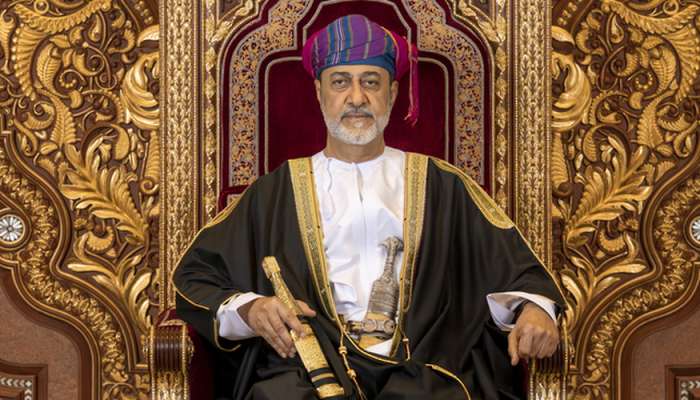

Oman has announced a significant restructuring of its Council of Ministers, reaffirming the nation’s commitment to modernization and efficient governance. The recent eleventh decree, issued under the esteemed chairmanship of His Majesty the Sultan, details the appointments and roles of key figures who will drive the country’s progress across vital sectors. This pivotal change reflects a strategic approach to strengthening Oman’s position on both regional and international stages, focusing on economic diversification, defense capabilities, and social welfare. Understanding this Oman cabinet reshuffle is crucial for anyone interested in the political and economic landscape of the Sultanate.
Key Appointments in the New Council of Ministers
The decree outlines a series of high-profile appointments, placing experienced individuals in positions of power and responsibility. This reshuffle isn’t simply a change of names; it represents a recalibration of priorities and a strengthening of leadership within Oman’s governmental framework.
Deputy Prime Ministerial Roles
His Highness Sayyid Fahd bin Mahmoud Al Said has been appointed as Deputy Prime Minister for the Council of Ministers, signifying the importance of coordinating governmental policies. His Highness Sayyid Shihab bin Tarik bin Taimour Al Said takes on the critical role of Deputy Prime Minister for Defence Affairs, indicating a continued emphasis on national security and modernized defense strategies. Furthermore, His Highness Sayyid Theyazin bin Haitham bin Tarik Al Said assumes the position of Deputy Prime Minister for Economic Affairs, highlighting the central importance of economic growth and diversification in Oman’s future. Finally, His Highness Sayyid Bilarab bin Haitham bin Tarik Al Said has been named Minister of State and Governor of Muscat, demonstrating a focus on regional development and strengthening the capital city.
Ministerial Portfolios: A Detailed Look
Beyond the Deputy Prime Ministerial positions, a number of ministers have been appointed or reassigned to lead their respective ministries. Sayyid Khalid bin Hilal bin Saud Al Busaidi remains as Minister of the Diwan of Royal Court, ensuring the continuity of royal administrative functions. General Sultan bin Mohammed Al Nu’amani has been appointed Minister of the Royal Office, supporting the Sultan in day-to-day operations.
Sayyid Hamoud bin Faisal bin Said Al Busaidi has been entrusted with the position of Minister of Interior, responsible for maintaining domestic peace and security. Sayyid Badr bin Hamad bin Hamoud Al Busaidi will serve as the Foreign Minister, tasked with representing Oman’s interests abroad and fostering international relations. Sultan bin Salim bin Said Al Habsi continues as Minister of Finance, a key role in navigating the nation’s economic policies and ensuring fiscal stability.
In the social sectors, Dr. Madiha bint Ahmed bin Nasser Al Shaibani has been appointed Minister of Education, spearheading improvements in the educational system. Sayyid Saud bin Hilal bin Hamad Al Busaidi will oversee cultural development and youth engagement as Minister of Culture, Sports and Youth. Dr. Laila bint Ahmed bin Awadh Al Najjar continues to lead the Ministry of Social Development, focused on enhancing social welfare programs.
Several crucial ministries have also seen key appointments. Dr. Abdullah bin Mohammed bin Said Al Saeedi is the Minister of Justice and Legal Affairs, working to strengthen the legal framework. Dr. Abdullah bin Nasser bin Khalifa Al Harrasi leads the Ministry of Information, responsible for national communication and media. Dr. Khamis bin Saif bin Hamoud Al Jabri has been appointed as Minister of Economy, a role essential for planning future economic initiatives.
Furthermore, Sayyid Ibrahim bin Said bin Ibrahim Al Busaidi is the Minister of Heritage and Tourism, aiming to promote Oman’s rich culture and attract tourists. Dr. Saud bin Hamoud bin Ahmed Al Habsi leads the Ministry of Agriculture, Fisheries and Water Resources, managing vital natural resources. Dr. Khalfan bin Said bin Mubarak Al Shuaili has been appointed Minister of Housing and Urban Planning, crucial for addressing population growth and urbanization. Eng. Said bin Hamoud bin Said Al Maawali is the Minister of Transport, Communications and Information Technology, responsible for modernizing infrastructure. Dr. Mahad bin Said bin Ali Ba’owain is the Minister of Labour, focused on workforce development and employment opportunities. Eng. Salim bin Nasser bin Said Al Aufi leads the Ministry of Energy and Minerals. Dr. Mohammed bin Said bin Khalfan Al Maamari is the Minister of Endowments and Religious Affairs. Dr. Hilal bin Ali bin Hilal Al Sabti takes on the role of Minister of Health. Lastly, Anwar bin Hilal bin Hamdoon Al Jabri has been appointed Minister of Commerce, Industry and Investment Promotion, further reflecting Oman’s drive towards economic diversification and attracting foreign investment.
Implications of the Oman Cabinet Reshuffle
This Oman government update signals a clear intention to accelerate economic reforms and strengthen national institutions. The appointments reflect a blend of experience and new perspectives, aiming to address both immediate challenges and long-term strategic goals. Notably, the creation of a Deputy Prime Minister specifically for economic affairs underscores the government’s prioritization of economic growth and development.
The focus on strengthening the defense sector, coupled with the continued emphasis on social development, indicates a holistic approach to national progress. These changes are expected to enhance Oman’s ability to navigate the evolving geopolitical landscape and maintain its stability. Moreover, the appointment of Ministers focused on tourism and heritage demonstrates a desire to showcase Oman’s unique cultural identity to the world.
Looking Ahead: Oman’s Future Trajectory
The recent restructuring of the Council of Ministers is a significant development in Oman’s ongoing journey towards modernization and sustainable growth. The appointments demonstrate a commitment to effective governance, economic diversification, and social welfare. Analysts suggest that this reshuffle will contribute to a more dynamic and responsive administrative system, better equipped to address the challenges and opportunities of the 21st century. The focus on key sectors like economy, defense and tourism will be crucial for achieving the goals outlined in Oman’s Vision 2040.
For those seeking further information on Oman’s political and economic developments, particularly regarding Oman’s Vision 2040, staying abreast of official announcements and reputable news sources is highly recommended. The success of these appointments will undoubtedly play a critical role in shaping the future of the Sultanate.