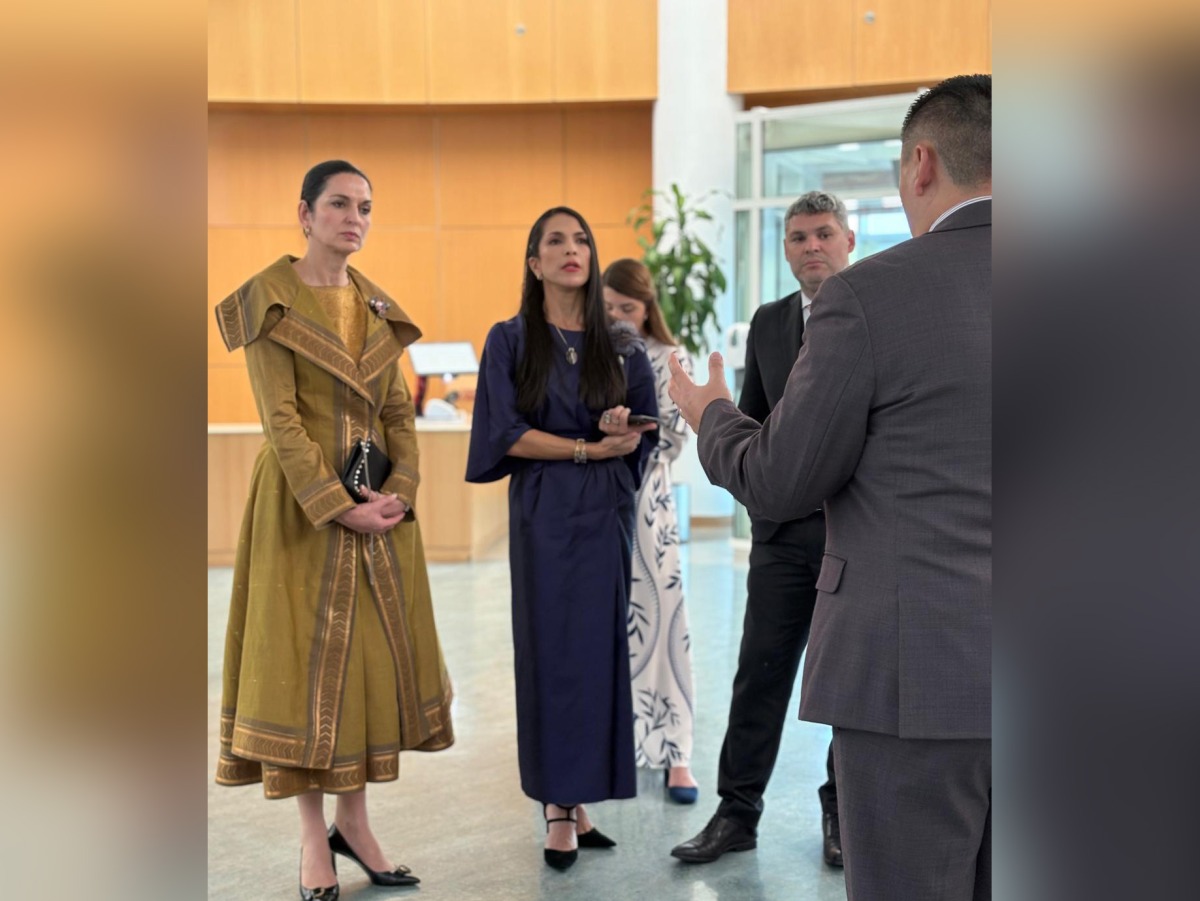

Doha, Qatar – Qatar Foundation (QF) schools recently hosted a series of high-profile international delegations, including First Ladies from Costa Rica and Panama, and the Minister of National Education from Senegal. The visits, which took place throughout the past week, showcased QF’s commitment to innovative and specialized education models. Delegates aimed to gather insights into how Qatar is developing inclusive learning environments tailored to diverse student needs.
The delegations included H.E. Signe Zeikate, First Lady of the Republic of Costa Rica; H.E. Maricel Cohen de Mulino, First Lady of the Republic of Panama; and H.E. Serigne Mbaye Thiam, Minister of National Education of Senegal. Tours encompassed Awsaj Academy, Renad Academy, Academyati, and Warif Academy, each offering unique academic programs and support structures within Qatar Foundation’s Pre-University Education ecosystem. Discussions centered on adapting best practices to their respective national contexts.
Qatar Foundation Showcases its Approach to Specialized Education
Qatar Foundation’s emphasis on personalized learning has been a key element of its educational strategy since its inception in 1995. Established by decree of the Emir, the foundation plays a central role in diversifying Qatar’s economy and promoting human development through advancements in education, science, and research. This visit underscores the growing international recognition of QF’s efforts.
Throughout the tours, leaders from the QF schools detailed their teaching methodologies and the comprehensive support systems available to students. These systems address not only academic challenges but also behavioral and developmental needs, recognizing that inclusive education requires a holistic approach. The presentations highlighted the intention to create learning environments where every child can reach their full potential.
Focus on Inclusive Learning Environments
Particular attention was given to the strategies employed by Renad Academy and Awsaj Academy, both of which specialize in supporting students with specific learning differences. According to QF representatives, these schools utilize evidence-based interventions and individualized education plans to cater to a wide range of needs.
The delegates were keen to understand how QF integrates technology into its educational programs and how it leverages data to track student progress and tailor instruction. Education technology, or EdTech, has become a priority for many countries looking to improve learning outcomes and accessibility, and Qatar is positioning itself as a leader in this field.
International Collaboration in Education
The visitors expressed a strong desire to foster international collaboration in the field of education. They noted the potential for knowledge exchange and the opportunity to learn from Qatar’s experience in developing and implementing innovative educational practices. This sentiment aligns with UNESCO’s Sustainable Development Goal 4, which focuses on ensuring inclusive and equitable quality education for all.
The Ministry of Education and Higher Education of Qatar has been actively pursuing partnerships with international organizations and institutions to enhance its education system. This influx of delegations signals a willingness to share its advancements and learn from global best practices. Additionally, these visits often lead to specific collaborative projects and initiatives.
The emphasis on Qatar’s education system as a potential benchmark for others involved discussion of curriculum development, teacher training, and the role of parental involvement. The delegates observed that QF schools place a strong emphasis on cultivating critical thinking, problem-solving skills, and creativity – competencies deemed essential for success in the 21st-century workforce.
QF officials have not yet announced specific follow-up actions resulting from these visits. However, analysts suggest that concrete agreements regarding teacher exchange programs, curriculum sharing, or joint research projects could emerge in the coming months. The extent of these collaborations will likely depend on ongoing negotiations and the prioritization of educational goals within each participating nation, but the initial response has been overwhelmingly positive.