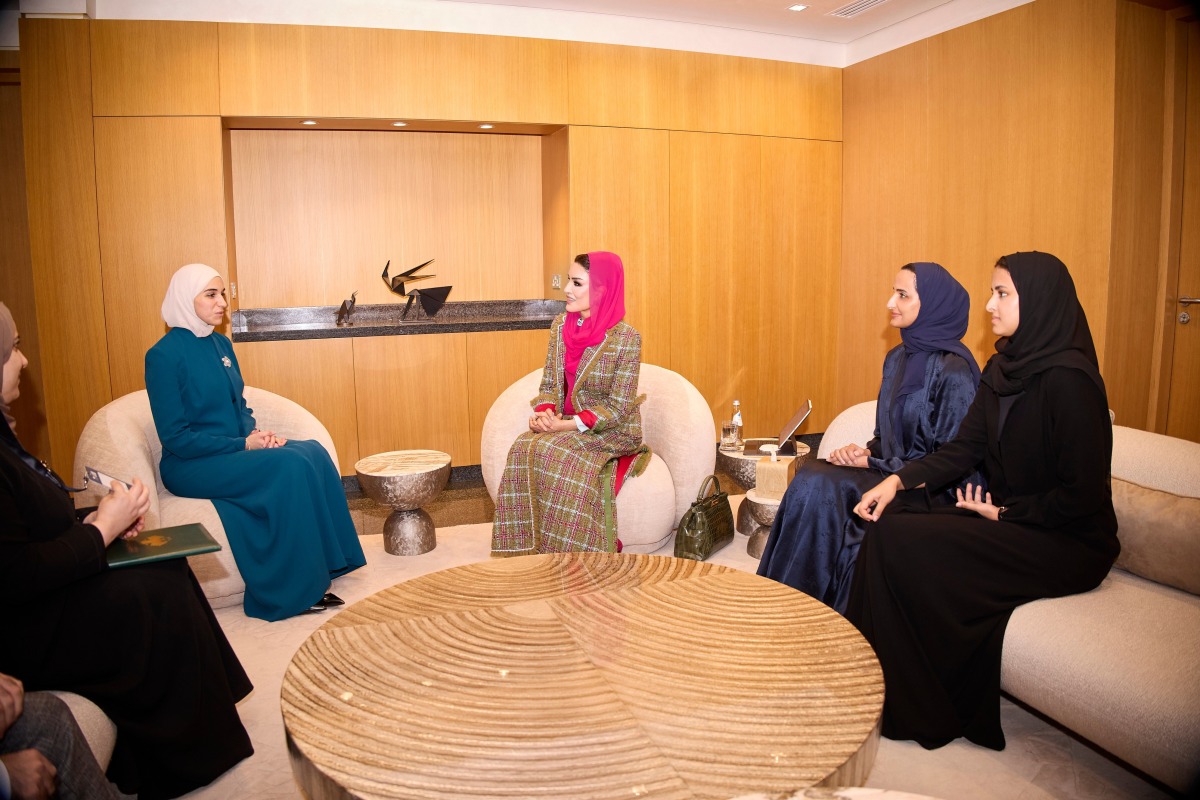

Doha, Qatar – Her Highness Sheikha Moza bint Nasser, Chairperson of Qatar Foundation and Education Above All (EAA) Foundation, convened with Latifa Al Droubi, First Lady of the Syrian Arab Republic, on Tuesday. The meeting, held during the World Innovation Summit for Education (WISE) 2025 in Doha, focused on bolstering education in Syria and expanding access to learning opportunities for Syrian children. Discussions centered on collaborative efforts to address the significant challenges facing the Syrian education system.
The meeting took place on the sidelines of WISE 2025, a global platform for innovation in education. Both Sheikha Moza and Al Droubi emphasized the critical need for sustained investment in education, particularly in conflict-affected regions. The conversation highlighted potential partnerships to improve educational outcomes and reduce the number of out-of-school children in Syria, a figure estimated to be in the millions according to UNICEF reports.
Expanding Access to Education in Syria
The primary focus of the discussions was on strengthening cooperation between the EAA Foundation and Syrian stakeholders to deliver quality education in Syria. The EAA Foundation has a long-standing commitment to providing educational opportunities for vulnerable and marginalized children globally, and Syria represents a particularly pressing need. The meeting explored ways to scale up existing programs and develop new initiatives tailored to the specific context of the Syrian crisis.
Addressing Key Challenges
Several key challenges were identified during the meeting. These included the destruction of school infrastructure, the displacement of students and teachers, and the psychological trauma experienced by children affected by the conflict. Additionally, the lack of qualified teachers and the disruption of educational systems pose significant obstacles to providing consistent learning opportunities.
The EAA Foundation and the Syrian First Lady discussed potential solutions, including teacher training programs, the provision of educational materials, and the establishment of safe learning environments. Innovative approaches to education, such as accelerated learning programs and distance learning initiatives, were also considered. These methods aim to reach children who have missed years of schooling due to the ongoing conflict and displacement.
Meanwhile, the conversation extended beyond basic education to encompass youth empowerment and skills development. Recognizing the importance of preparing Syrian youth for the future, both parties explored opportunities for collaboration on programs that promote vocational training and entrepreneurship. This focus aligns with Qatar’s broader strategy of investing in human capital and fostering economic growth in the region.
In contrast to solely focusing on immediate needs, the meeting also addressed the long-term sustainability of educational initiatives in Syria. Discussions included strengthening the capacity of local institutions and fostering community ownership of education programs. This approach is considered crucial for ensuring that educational gains are maintained even after the immediate crisis subsides. The importance of educational development was a recurring theme.
According to sources familiar with the discussions, the Syrian side expressed gratitude for Qatar’s ongoing humanitarian assistance and its commitment to supporting education in Syria. They also welcomed the EAA Foundation’s expertise and its willingness to partner on innovative solutions. The meeting represents a significant step towards strengthening collaboration between Qatar and Syria in the field of humanitarian aid and education.
The next steps involve the formation of a joint working group to develop a detailed action plan for implementing the agreed-upon initiatives. This plan is expected to outline specific projects, timelines, and funding mechanisms. A formal memorandum of understanding between the EAA Foundation and relevant Syrian authorities is also anticipated in the coming months. However, the ongoing political and security situation in Syria remains a significant factor that could impact the implementation of these plans, and continued monitoring of the situation will be essential.
Further details regarding the specific financial commitments and program details are expected to be released following the completion of the action plan. Observers will be watching to see how these collaborative efforts translate into tangible improvements in access to quality education for Syrian children and youth, and whether they can contribute to building a more resilient and sustainable education system in the country.