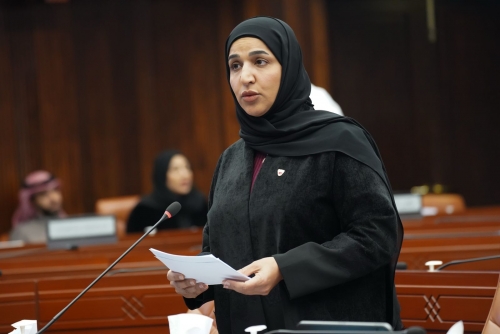

The Bahraini healthcare system is facing scrutiny over staffing imbalances, particularly concerning doctors and available facilities. A recent parliamentary session highlighted concerns raised by MP Jaleela Alawi regarding vacant clinic rooms and qualified, yet unplaced, medical professionals, sparking a debate about resource allocation and career progression within the Bahrain healthcare staffing landscape. The discussion centered on the need for greater transparency from the Ministry of Health regarding its workforce planning and promotion strategies.
Parliamentary Inquiry Reveals Staffing Gaps in Bahrain’s Healthcare System
During a Council of Representatives meeting, MP Alawi expressed dissatisfaction with the Ministry of Health’s response to her formal inquiry about the number of consultant and non-consultant doctors working in public hospitals and health centers. She argued the reply lacked the detailed information necessary to accurately assess the true extent of the staffing needs and the effectiveness of current recruitment and promotion policies.
Alawi emphasized the deliberate nature of her questions, stating, “Every point in the question was deliberate and had a purpose and meaning. We want answers because we want to know the real situation, as the ministry did not address many of the details.” She believes a thorough understanding of the situation is crucial for developing effective solutions.
Concerns Over Doctor Promotions and Career Paths
A key point of contention was the absence of information regarding recent doctor promotions and the defined career ceilings for various positions. The MP questioned how the Ministry intends to transition existing doctors to consultant roles, given the stated goal of increasing consultant numbers. Without clarity on these pathways, she argued, it’s difficult to evaluate the feasibility and fairness of the Ministry’s plans.
The lack of detail, according to Alawi, renders the parliamentary question ineffective. “A parliamentary question is a tool through which we extract the remedy and lay the groundwork for effective treatment, and the Ministry of Health’s reply was not, unfortunately, satisfactory,” she stated. This highlights a broader issue of accountability and the need for more comprehensive responses to legislative inquiries.
Specific Shortages: Dentistry and Family Medicine
Alawi specifically pointed to dentistry and family medicine as areas where the discrepancies are particularly noticeable. She cited figures presented by the Ministry that revealed a mismatch between the number of dentists and the availability of dental rooms.
She questioned whether there were plans to adequately staff each room, suggesting a ratio of two to three dentists per room. This would ensure efficient service delivery and reduce waiting times for patients. The issue of doctor availability is a recurring theme in Bahraini healthcare discussions.
The Impact of Tamkeen-Sponsored Training Programs
The discussion also brought to light the positive impact of training programs sponsored by Tamkeen, Bahrain’s semi-government agency focused on private sector development. Alawi highlighted the success of dentists trained through Tamkeen placements, who, after four years of service in health centers, significantly reduced appointment wait times from six months to just two weeks.
This success story underscores the value of strategic partnerships in addressing healthcare workforce challenges. However, it also raised concerns about inconsistencies in training pathways.
Disparities in Training and Employment Benefits
A significant point of concern raised by MP Alawi was the differing employment conditions for doctors undergoing training. Some trainees are directly employed by the Ministry of Health and receive full benefits, including pension contributions. Others participate in the Tamkeen scheme, which offers different grades of pay and lacks the same level of employment security.
This disparity, she argued, creates an uneven playing field and could potentially discourage talented individuals from pursuing certain training routes. Addressing these inconsistencies is vital for ensuring a fair and equitable system for all medical professionals. The need for standardized healthcare worker benefits was a clear message from the parliamentary exchange.
The Path Forward: Transparency and Strategic Planning
The parliamentary exchange clearly demonstrates the need for greater transparency and strategic planning within Bahrain’s healthcare sector. The Ministry of Health must provide more detailed responses to parliamentary inquiries, outlining specific plans for addressing staffing gaps, promoting doctors, and ensuring equitable treatment for all healthcare professionals.
Furthermore, a comprehensive assessment of current and future healthcare needs is essential. This assessment should consider factors such as population growth, changing demographics, and the prevalence of chronic diseases. Investing in training programs, like those supported by Tamkeen, is also crucial, but these programs must be integrated into a broader, cohesive workforce strategy. Ultimately, resolving these issues will contribute to a more robust and accessible healthcare system for all citizens of Bahrain. Continued dialogue between the Ministry and the Council of Representatives will be key to achieving meaningful improvements in Bahrain healthcare staffing and ensuring the long-term sustainability of the sector.