








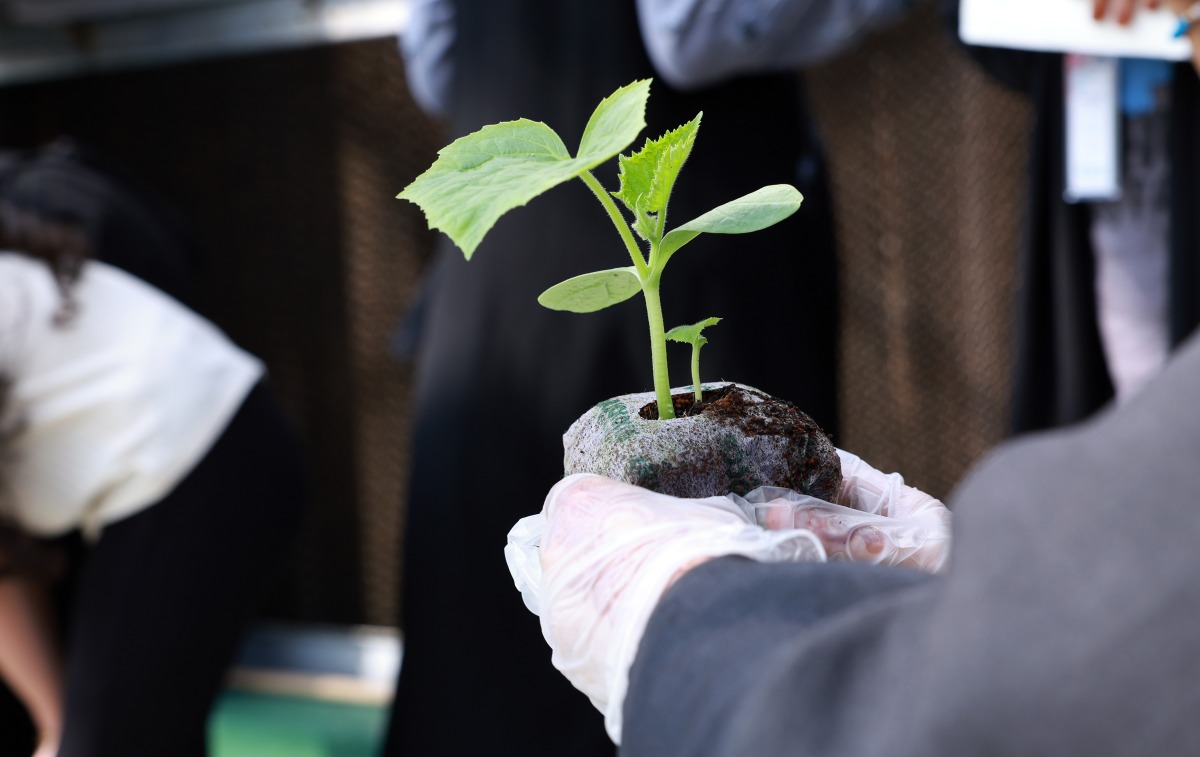

Doha, Qatar – Hassad Food Company recently hosted children from the Dreama Orphan Care Center as part of its “Hassad Buds Training Program,” an initiative designed to equip young people with skills in the food and agricultural sector. This collaboration underscores a growing focus on youth empowerment and workforce development in Qatar. The program aims to prepare participants for future careers and contribute to the nation’s food security goals. Dreama, a center under the Qatar Social Work Foundation, provides comprehensive care and support for orphaned children.
The program, which took place in Doha, offered a blend of theoretical learning and hands-on experience within Hassad Food’s operations. This reflects a wider national emphasis on practical training to ensure a skilled workforce for key industries. Representatives from both organizations expressed satisfaction with the program’s initial outcomes and indicated plans for potential expansion.
Investing in Qatar’s Future: The Hassad Buds Training Program
The “Hassad Buds” program is rooted in the belief that investing in youth is paramount to Qatar’s long-term sustainable development, particularly in the crucial area of food security. According to a recent report by the Ministry of Municipality and Environment, Qatar is actively diversifying its food sources and bolstering domestic production to reduce reliance on imports.
The program’s structure focused on providing a comprehensive understanding of the food supply chain, from cultivation and harvesting to processing and distribution. Participants were given opportunities to engage with professionals across various departments within Hassad Food, gaining exposure to different roles and responsibilities.
Collaboration Between Industry and Social Welfare
This initiative builds on the existing partnership between Hassad Food and Dreama, demonstrating the company’s commitment to corporate social responsibility. Hassad Food has previously supported Dreama through various donations and sponsorships, but this training program represents a more strategic and impactful form of collaboration.
H.E. Sheikha Najla bint Ahmed Al Thani, Executive Director of Dreama, highlighted the importance of such opportunities for the children, stating that the program contributes to building their professional futures and enabling them to achieve their aspirations. She also expressed hope for wider partnerships in the future.
Eng. Ali Hilal Al Kuwari, CEO of Hassad Food, reinforced this sentiment, emphasising that providing these experiences is vital to ensuring young Qataris enter the job market prepared and confident. This focus on practical skills development aligns with Qatar National Vision 2030, which prioritizes human capital.
The program is particularly significant given Qatar’s ambitious plans for agricultural development and its efforts to leverage technology and innovation to improve food production. Qatar Foundation has also been actively involved in supporting agricultural research and education, furthering the nation’s goals in this sector.
However, the long-term impact of the “Hassad Buds” program will depend on continued funding and support from both Hassad Food and other stakeholders. The success of this pilot program is likely to encourage similar initiatives focused on other critical sectors of the Qatari economy.
Currently, the program’s immediate phase has concluded with the initial cohort of Dreama children completing their training. Further evaluations are expected in the coming months to assess the program’s effectiveness and identify areas for refinement. Future expansions and the potential for integrating the program into broader national workforce development strategies will be key developments to watch.