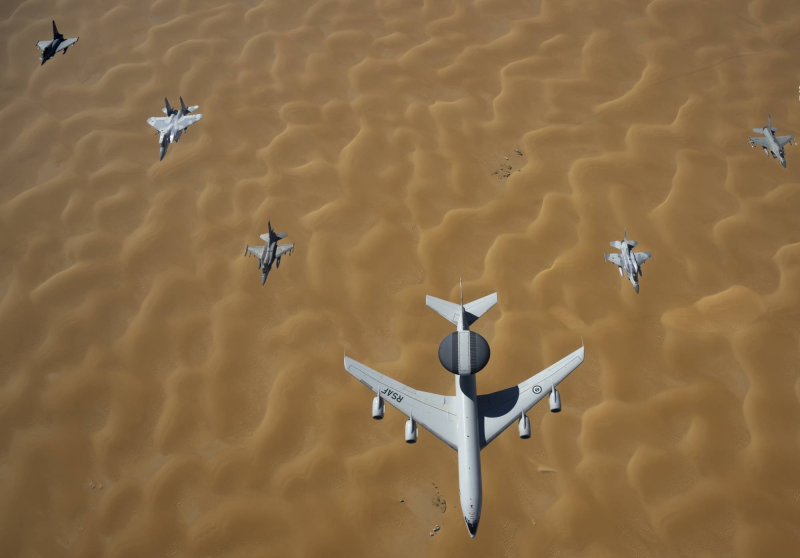

RIYADH — The “Gulf Shield Exercise 2026,” a large-scale joint military drill involving the air and air-defense forces of the Gulf Cooperation Council (GCC) member states, concluded in Saudi Arabia on Friday. The exercise, conducted in collaboration with the GCC Unified Military Command, aimed to bolster regional security cooperation and enhance combat readiness. This latest iteration of the Gulf Shield Exercise underscores the ongoing commitment to collective defense within the region.
The concluding event featured a coordinated aerial display demonstrating the high degree of interoperability achieved by the participating forces. Representatives from each GCC nation – Saudi Arabia, Kuwait, Bahrain, Oman, Qatar, and the United Arab Emirates – confirmed successful completion of the planned maneuvers. The exercise took place over several weeks, culminating in the final demonstration of coordinated capabilities.
Strengthening GCC Defense Capabilities Through the Gulf Shield Exercise
The Gulf Shield Exercise is a recurring event, though the scale and focus vary with each iteration. According to the Saudi Ministry of Defense, the primary goal of these exercises is to improve the ability of GCC nations to respond to a wide range of security threats. This includes conventional warfare, as well as increasingly complex challenges like ballistic missile defense and asymmetric warfare scenarios.
This year’s exercise placed particular emphasis on simulating multidimensional air and missile threats. Participants engaged in joint air maneuvers and integrated field exercises designed to refine command-and-control structures. The drills also focused on enhancing operational efficiency within a combined military environment, a crucial aspect of modern warfare.
Focus on Interoperability and Modern Warfare
Interoperability – the ability of different military forces to operate seamlessly together – was a key objective. The exercise involved the integration of various air defense systems and the coordination of air assets from different nations. This is vital given the diverse range of military equipment utilized by GCC member states.
The scenarios practiced also reflected the evolving nature of regional threats. The report indicates a growing concern over the proliferation of ballistic missiles and drones, necessitating a robust and collaborative defense strategy. Enhancing capabilities in these areas is considered a priority for the GCC.
Additionally, the exercise provided an opportunity for forces to practice responses to cyberattacks targeting critical military infrastructure. The increasing importance of cybersecurity in modern military operations was acknowledged through dedicated training modules incorporated into the overall drill.
Regional Significance and Historical Context
The GCC was established in 1981 to foster economic, political, and military cooperation among its member states. The Gulf Shield Exercise represents one of the most significant expressions of this military cooperation. The exercises are designed to project a unified defense posture in a region often characterized by instability and geopolitical competition.
Historically, these drills have been intensified in response to perceived external threats. The Iranian nuclear program and its regional activities have consistently been cited as a key driver for enhancing GCC defense capabilities. The United States has traditionally played a role in supporting these exercises, providing training and equipment, though the level of involvement fluctuates based on diplomatic relations.
However, the GCC has also sought to reduce reliance on external powers and develop independent defense capabilities. This strategic shift is evident in the increased emphasis on joint training and the integration of indigenous defense industries within the framework of these exercises. The development of independent defense technology is a long-term goal for several GCC nations.
Recent geopolitical shifts are also shaping regional security strategies. The evolving relationship between Saudi Arabia and Iran, marked by periods of tension and tentative diplomatic engagement, influences the scope and nature of these military preparations. Experts suggest that maintaining a strong deterrent posture remains vital, even during periods of relative calm.
The exercise also served as a platform for testing new doctrines and procedures related to collective security. This continuous refinement of military strategy is seen as essential for maintaining a credible defense against both state and non-state actors. The ability to rapidly deploy and coordinate forces across national borders continues to be a central focus.
Furthermore, the Gulf Shield Exercise contributes to overall regional stability by demonstrating the GCC’s commitment to defending its member states. This demonstration of unity and resolve is intended to deter aggression and reassure allies. Several international observers have noted the positive impact of these exercises on confidence-building measures within the region.
Looking ahead, the GCC Unified Military Command is expected to analyze the results of the Gulf Shield Exercise and incorporate lessons learned into future training programs. The next major military drill is tentatively scheduled for 2028, according to sources within the Saudi Arabian military. Much will depend on the regional security landscape and ongoing efforts to enhance defense cooperation among member states. Continued evaluation of emerging threats, such as hypersonic weapons and advanced cyber capabilities, will also be a key aspect of future planning.