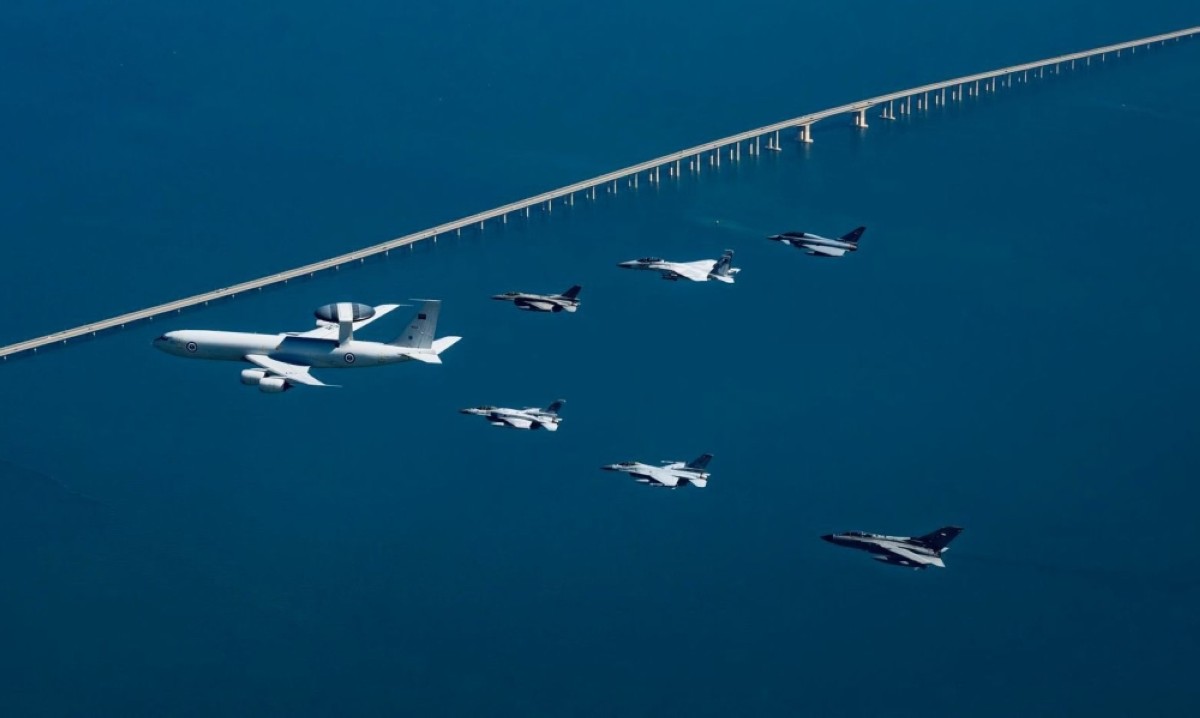

The recent conclusion of Gulf Shield 2026, a large-scale joint military exercise, underscores the growing commitment to regional security and enhanced joint military drills within the Gulf Cooperation Council (GCC). This significant event, hosted in Saudi Arabia and involving all GCC member states including Kuwait, highlights a proactive approach to bolstering defense capabilities and fostering a unified response to evolving regional challenges. The exercise focused on improving coordination and combat readiness, a crucial aspect of maintaining stability in a complex geopolitical landscape.
Strengthening GCC Defense Cooperation Through Joint Exercises
Gulf Shield 2026, which ran for six days starting January 4th, wasn’t simply a display of military might; it was a meticulously planned series of scenarios designed to test and refine the interoperability of GCC air defense forces. The participation of the Unified Military Command of the GCC further emphasized the collaborative nature of the operation. This commitment to working together is vital, especially considering the increasing sophistication of potential threats facing the region.
The Kuwait Armed Forces released a statement on Friday emphasizing the exercise’s importance, stating it’s “part of ongoing efforts to strengthen regional defense cooperation and enhance combat readiness.” This sentiment was echoed by Saudi Arabia’s Ministry of Defense, which described the drills as “a key example of joint defense cooperation” and a demonstration of preparedness against “current, emerging and future threats.”
Advanced Operational Scenarios & Interoperability
Participants engaged in a range of advanced operational scenarios, including complex simulations of multi-dimensional aerial and missile threats. These weren’t theoretical exercises; they involved live-fire drills, joint air maneuvers, and integrated field exercises. The focus was on improving how different national forces could seamlessly work together – a critical element often overlooked in traditional military training.
Specifically, the drills tested coordination in command systems, operational efficiency, and the ability to operate effectively in a shared environment. This emphasis on regional security cooperation is a direct response to the need for a unified defense posture. Successfully navigating these challenges requires not only advanced technology but also a deep understanding of each nation’s procedures and capabilities.
Gulf Shield 2026: A Cornerstone of Military Collaboration
The Kuwait Armed Forces views Gulf Shield 2026 as a “cornerstone of military collaboration” among GCC states. This isn’t an isolated event, but rather a continuation of ongoing efforts to strengthen defense integration. The exercise serves as a practical demonstration of the GCC’s commitment to collective security and its ability to respond effectively to a wide spectrum of regional and international challenges.
The drills are designed to enhance combat readiness and foster joint operations, ultimately aiming for seamless integration in shared operational environments. This proactive approach is particularly important given the volatile geopolitical climate in the Middle East.
Demonstrating Operational Harmony
The exercise culminated in a joint aerial display, a powerful visual representation of the operational harmony achieved among the participating forces. This performance wasn’t just for show; it highlighted the ability of the GCC nations to plan and execute complex missions according to unified operational concepts and high professional standards.
The ability to operate with such precision and coordination is a testament to the dedication and training of the personnel involved, as well as the effectiveness of the collaborative planning process. This level of integration is crucial for maintaining a credible deterrent and ensuring the stability of the region.
The Future of GCC Joint Military Exercises
Gulf Shield 2026 is considered a fundamental pillar in consolidating the concept of joint military action, aimed at ensuring the security, safety, and stability of the GCC states. The exercise’s success reinforces the importance of continued investment in joint training and interoperability initiatives.
Looking ahead, we can expect to see further iterations of these joint military drills, potentially with increased complexity and scope. These exercises will likely incorporate new technologies and address emerging threats, ensuring that the GCC remains prepared to face the challenges of the future. The commitment to strengthening regional defense cooperation is a clear signal of the GCC’s determination to safeguard its interests and maintain peace and stability in the region. Further analysis of the exercise’s outcomes and lessons learned will undoubtedly inform future training programs and enhance the overall effectiveness of GCC defense forces.