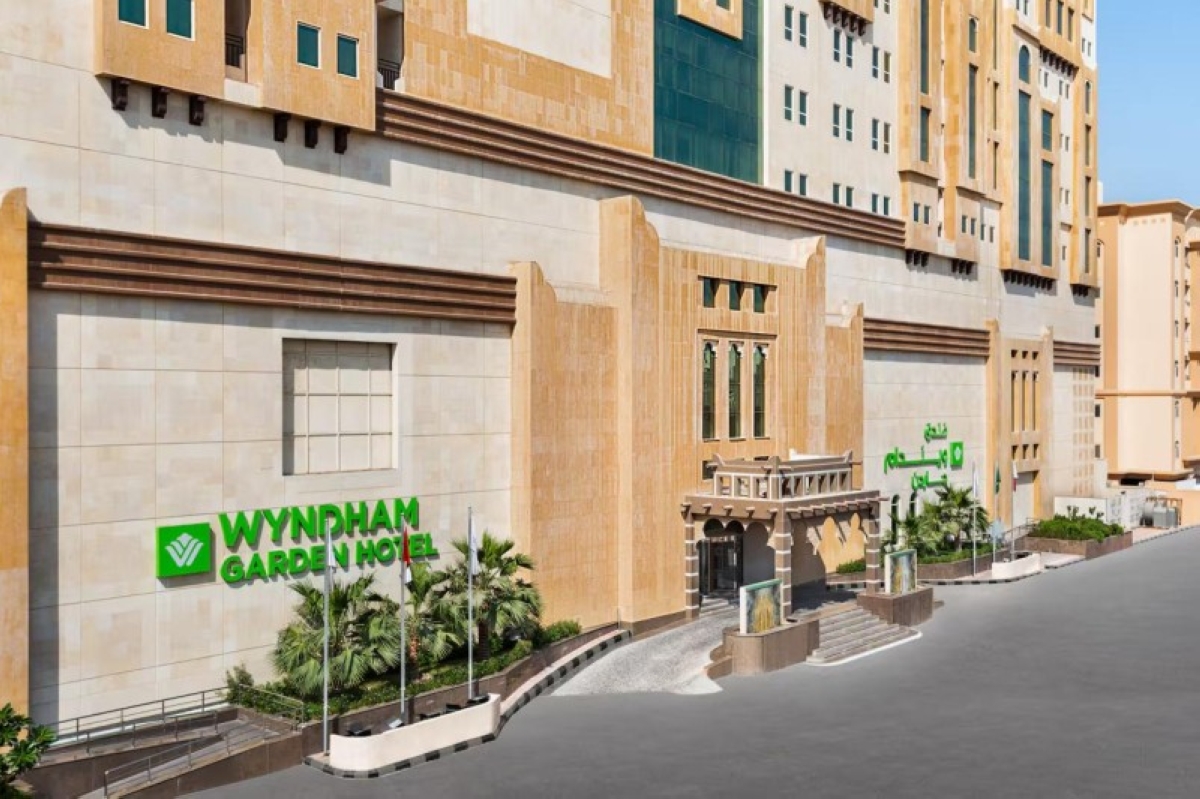

Saudi Arabia is undergoing a rapid transformation in its tourism sector, driven by the ambitious goals of Vision 2030 to welcome 100 million visitors annually and diversify the nation’s economy. As the Kingdom invests heavily in new hospitality infrastructure, including giga-projects like NEOM and the Red Sea, a growing emphasis is being placed on sustainable hospitality practices to attract environmentally and culturally conscious travelers. Wyndham Hotels & Resorts is responding to this demand through its global program, Wyndham Green.
The push for sustainable tourism in Saudi Arabia isn’t simply about appealing to a new customer base; it’s a core tenet of Vision 2030, aiming to preserve the country’s natural heritage while creating long-term economic opportunities. Wyndham is leading the way among international chains in adopting these principles, with a significant portion of its Middle Eastern properties – and specifically, a leading percentage in Saudi Arabia – now certified under the Wyndham Green standard.
Wyndham Green: A Scalable Model for Sustainable Hospitality
Wyndham Green isn’t a static certification, but a tiered system designed to encourage continuous improvement. Hotels progress through five levels, each demanding more comprehensive sustainability initiatives and measurable results. In 2024 alone, the company saw a 32% increase in Green Certification adoption across its worldwide portfolio, demonstrating a growing commitment to responsible operations.
This commitment is already yielding measurable benefits. Wyndham reports a 12% reduction in global emissions intensity and a 29% reduction in water intensity since establishing a baseline. These gains aren’t self-reported in isolation, but verified through regular audits and data tracking, ensuring accountability and genuine impact. The company has additionally set specific 2025 targets focused on further reducing environmental impact.
Five Key Initiatives in Saudi Arabia
Wyndham’s properties in Saudi Arabia are implementing several specific strategies to achieve these sustainability goals, reflecting both global standards and local conditions.
1. Smart Energy Management: Hotels like Wyndham Garden Dammam and Ramada by Wyndham Riyadh are utilizing intelligent building systems to optimize energy use. These systems adjust lighting and air conditioning based on real-time needs, minimizing waste without sacrificing guest comfort and reducing operational costs.
2. Harnessing Renewable Energy: Recognizing the Kingdom’s abundant sunshine, Wyndham Garden Dammam is preparing to launch a solar power project designed to supply energy for outdoor facilities. This move demonstrates a practical application of renewable energy within the hospitality sector.
3. Waste Reduction and Resource Recovery: Properties are installing food digesters, bolstering recycling programs, and implementing water-saving fixtures. Ramada Encore Muscat serves as a model – replicating processes in Saudi hotels – for on-site digesters that convert organic waste into grey water, substantially reducing landfill contributions.
4. Digital Integration for Sustainability: Catering to the increasing demand for seamless digital experiences, and particularly the preferences of Gen Z travelers, Wyndham hotels offer features such as mobile booking, keyless entry, and real-time energy monitoring. This digitalization reduces paper consumption and streamlines operations.
5. Supporting Local Economies: Wyndham is prioritizing local sourcing for food, materials, and services, reducing transportation emissions and fostering economic growth within Saudi communities. This is supported by the company’s “Owner First” approach, actively seeking franchisee input on sustainability strategies. Local sourcing and collaboration are enhanced by this key approach.
Beyond the technical implementations, Wyndham emphasizes a shift in mindset. The company aims to cultivate a culture where sustainability is seen as integral to hospitality excellence, rather than a separate initiative. This cultural evolution, combined with tangible results like reductions in water consumption, showcases the potential for environmental and financial performance to be mutually reinforcing.
According to Dimitris Manikis, President EMEA, Wyndham Hotels & Resorts, guests are increasingly seeking accommodations that demonstrate a commitment to positive impact. He notes that the Wyndham Green program confirms that sustainable hospitality and profitability can coexist.
As Saudi Arabia progresses with its Vision 2030 objectives, aligning tourism development with environmental preservation and community benefit remains crucial. The kingdom’s tourism ministry is expected to release updated guidelines on green building standards for hotels in early 2025, potentially incentivizing further investment in sustainable practices. The extent to which these guidelines are adopted and enforced will be a key indicator of Saudi Arabia’s commitment to responsible tourism development and the success of initiatives like Wyndham Green in achieving long-term environmental and economic sustainability. Further expansion of sustainable tourism initiatives will undoubtedly depend on continued investment and policy support from both the public and private sectors.