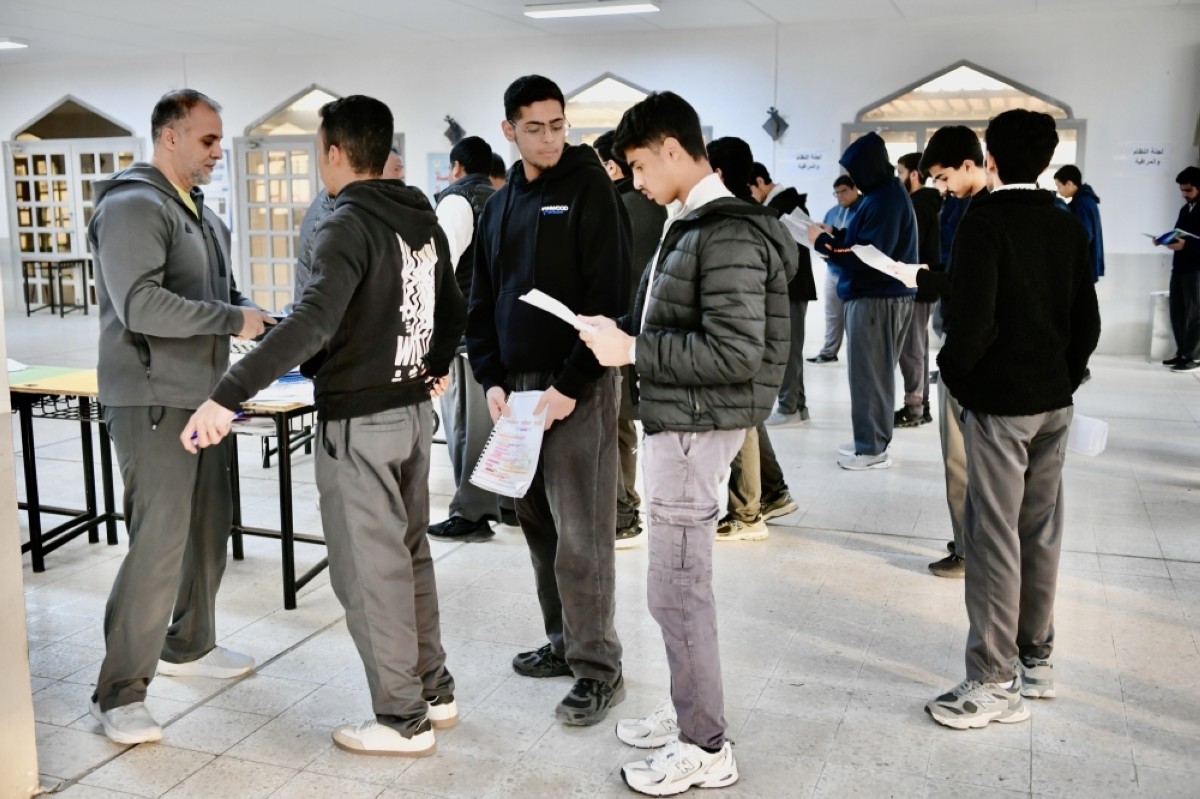

Kuwait’s Ministry of Education recently concluded the midterm examinations for Grade 12 students, marking a significant milestone in the 2025–2026 academic year. The exams, which began on January 4th, involved over 33,400 students across both the scientific and literary streams. While the Ministry reported a generally organized and disciplined process, the conclusion also brought to light instances of misconduct and attempts to compromise the integrity of the Kuwait Grade 12 Exams.
Completion of Midterm Examinations & Overall Conduct
The final day of testing saw students in the scientific stream tackling the chemistry exam, while those in the literary stream focused on modern and contemporary world history. Literary students completed their exam schedule on Thursday with a statistics paper. Officials from the Ministry of Education emphasized the rigorous oversight throughout the examination period. This included close educational and administrative supervision, alongside continuous monitoring within the examination halls to guarantee strict adherence to all established regulations.
The aim, as consistently stated by the Ministry, is to ensure a fair and equitable assessment of student learning. This commitment to fairness is a cornerstone of the Kuwaiti education system and is particularly crucial for these pivotal Grade 12 exams, which significantly impact future academic pathways. The successful completion of the first semester’s assessments is a testament to the dedication of both educators and students.
Addressing Irregularities During the Exam Period
Despite the overall positive assessment, the Ministry acknowledged facing some challenges during the first week of the Kuwait Grade 12 Exams. These issues prompted swift and decisive action, demonstrating a zero-tolerance policy towards any breach of protocol. Administrative and legal measures were immediately implemented against staff members found to be non-compliant with approved procedures.
Disciplinary Actions Taken
Specifically, two heads of exam committees were relieved of their duties and are currently undergoing investigation. A national proctor was also dismissed for failing to adequately fulfill their oversight responsibilities. The Ministry stated that these individuals’ actions were in direct contradiction to the established instructions and regulations governing exam committees. This firm response underscores the importance placed on maintaining the integrity of the examination process.
Investigation into Exam Manipulation Attempts
Perhaps the most concerning development during the exam period was the detection of attempts to manipulate the process through social media. Authorities uncovered efforts to entice secondary school students, via a social media application, with financial incentives in exchange for compromising the Kuwait Grade 12 Exams.
The Ministry unequivocally condemned this practice, labeling it a “clear violation of exam regulations” and a “suspected criminal offense” punishable under the Kuwaiti Penal Code. This highlights the growing threat of technology-facilitated cheating and the need for proactive measures to combat it. The Ministry has handed the case over to the Interior Ministry for further investigation and prosecution.
Focus on Prevention and Accountability
The Ministry’s statement, while firm, deliberately avoided specifics regarding the number of students targeted or the nature of the offered services. Instead, it focused on assuring the public of “continuous monitoring” and a commitment to accountability “without exception.” This approach suggests a desire to avoid potentially influencing the ongoing investigation and to maintain public confidence in the system. The Ministry is also likely reviewing its security protocols to prevent similar incidents in the future, potentially focusing on educational assessment security measures.
The Importance of Exam Integrity in Kuwait
The swift and decisive response to these incidents demonstrates the Kuwaiti Ministry of Education’s unwavering commitment to maintaining the integrity of its educational system. The Kuwait Grade 12 Exams are a critical juncture for students, determining their eligibility for higher education and future career opportunities. Any compromise to the fairness of these exams would have far-reaching consequences.
Furthermore, upholding exam integrity is vital for the international recognition of Kuwaiti qualifications. A robust and trustworthy assessment system ensures that Kuwaiti students are well-prepared for success in a globalized world. The Ministry’s actions also serve as a deterrent to others who might consider engaging in similar unethical practices. This focus on ethical conduct extends beyond the exam halls and reinforces the values of honesty and integrity within the broader educational community. The Ministry is also likely to emphasize student conduct regulations in the coming weeks.
In conclusion, the completion of the midterm Kuwait Grade 12 Exams represents a significant step in the academic year. While challenges were encountered, the Ministry of Education’s proactive response and commitment to accountability send a clear message: academic integrity will be fiercely protected. We encourage students, parents, and educators to review the Ministry’s guidelines on exam conduct and to report any suspicious activity to ensure a fair and equitable learning environment for all.