



Bahrain’s healthcare system continues to demonstrate its commitment to providing accessible and quality medical services to its citizens and residents. Recent data released by the Ministry of Health reveals a significant volume of patient activity within government hospitals and primary healthcare centres, with a total of 1.2 million healthcare visits recorded in 2025. This underscores the ongoing demand for medical services and the crucial role these facilities play in the nation’s wellbeing. The figures were shared in response to parliamentary questioning, highlighting transparency and accountability within the sector.
Bahrain Healthcare System: A Deep Dive into 2025 Patient Statistics
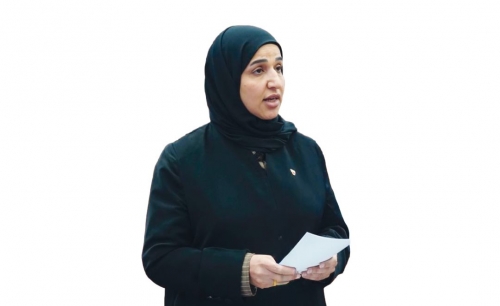
The Ministry of Health’s response to MP Jaleela Al Sayed’s inquiry provides a detailed overview of the workload and staffing levels within the public healthcare infrastructure. This data is vital for understanding the current capacity and future needs of the system, particularly as the Health Insurance Law is rolled out. Understanding these statistics is key to evaluating the effectiveness of Bahrain’s medical services and planning for future growth.
Hospital Performance and Workforce
Government hospitals bore a substantial portion of the patient load, handling 538,308 visits across both outpatient clinics and specialized medical and surgical departments. This demonstrates the importance of these facilities in addressing complex health needs.
The hospital workforce is comprised of a robust team of medical professionals, including:
- 191 Consultants in medicine and dentistry
- 323 Doctors and Specialists
- 211 Trainee Doctors (residents and senior residents)
Notably, the Ministry of Health has actively invested in its workforce, promoting 207 doctors between 2024 and 2025. These promotions, ranging from the fifth to tenth pay grades (including E6), were based on a meritocratic system considering qualifications, experience, and assigned duties. This commitment to professional development is crucial for retaining skilled medical personnel.
Primary Healthcare Centre Activity and Bahrainisation
Primary healthcare centres played an equally significant role, recording 707,651 visits between January and November 2025. A particularly noteworthy achievement is the 100% Bahrainisation of all medical posts within these centres. This signifies a successful effort to build local capacity and reduce reliance on foreign medical staff.
The primary healthcare workforce consists of 584 doctors, a diverse team including:
- 473 Women
- 111 Men
- Consultants, Family Doctors, General Practitioners, Dentists, and Trainees
Promotions for eligible doctors within primary healthcare are also underway, with some completed in November 2025 and the remainder anticipated in early 2026. This ongoing investment in staff development further strengthens the quality of care provided.
Clinic Capacity and Geographical Distribution
The distribution of clinics across Bahrain is designed to ensure accessibility for all residents. The Bahrain and Kuwait Health Centre in Hidd currently boasts the highest number of general medicine clinics, with 31. The Yousif Abdulrahman Engineer Health Centre follows closely with 26.
These two centres are supported by a network of 27 additional health centres and a dedicated coastal clinic, ensuring comprehensive coverage throughout the country. This widespread network is essential for delivering preventative care and managing common health concerns effectively. Access to medical facilities in Bahrain is a priority for the government.
Future Staffing and the Health Insurance Law
The Ministry of Health is proactively planning for future staffing needs, recognizing the impact of the Health Insurance Law on service demand. Estimates of doctor requirements are regularly reviewed, taking into account specialty, service demand, staffing ceilings, and budgetary constraints.
To ensure a sustainable pipeline of qualified medical professionals, the Ministry is leveraging approved fellowship and subspecialty programmes. These programmes allow doctors to pursue advanced training and specialization, aligning their skills with evolving professional requirements. The timelines for these programmes vary depending on the chosen specialty, reflecting the complexity of each field. This strategic approach to workforce planning is vital for maintaining the high standards of healthcare in Bahrain as the population grows and healthcare needs evolve.
In conclusion, the data released by the Ministry of Health paints a picture of a robust and actively managed healthcare system. The 1.2 million patient visits in 2025, coupled with the ongoing investment in staffing and infrastructure, demonstrate a commitment to providing quality medical care to all. As Bahrain continues to implement the Health Insurance Law and address evolving healthcare needs, proactive planning and continued investment in its medical workforce will be crucial. For more information on healthcare initiatives in Bahrain, visit the Ministry of Health website or contact them directly.