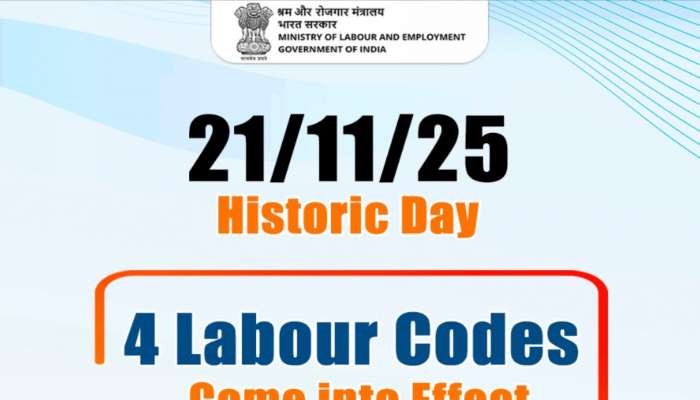

In a landmark move poised to reshape the Indian workforce, the implementation of four new labour codes came into effect on Friday. This historic decision marks a significant overhaul of existing labor regulations, aiming to create a more adaptable, secure, and empowered workforce aligned with the vision of an Aatmanirbhar Bharat (Self-Reliant India). The changes are designed to modernize the labor ecosystem, benefiting both employees and employers in the long run.
A Historic Overhaul of India’s Labour Laws
For decades, India’s labour landscape has been governed by a complex web of laws, many originating in the pre-independence era of the 1930s–1950s. These regulations, while serving a purpose at the time, were increasingly considered outdated and unable to address the evolving needs of a dynamic economy, particularly the rise of the gig economy and changing work patterns. The introduction of the four labour codes – the Code on Wages, 2019; the Industrial Relations Code, 2020; the Code on Social Security, 2020; and the Occupational Safety, Health and Working Conditions Code, 2020 – represents a concerted effort to consolidate, simplify, and modernize these laws.
This isn’t merely a cosmetic change; it’s a fundamental shift in how worker rights are protected and how businesses operate. The goal is to foster a more harmonious and productive industrial environment.
Key Provisions of the New Labour Codes
The four codes address distinct but interconnected aspects of the employment relationship, introducing reforms beneficial to all stakeholders. Here’s a breakdown of the core features:
Code on Wages: Ensuring Fair Compensation
The Code on Wages, 2019, guarantees a statutory right to minimum wages for all workers across the country. This ensures a base level of financial security, irrespective of location or sector. Crucially, the code also emphasizes timely wage payments.
- Universal Minimum Wage: Aims to establish a nationally recognized floor for wages, though states retain the power to fix higher minimums.
- Timely Payment: Employers are legally obligated to pay wages on time, reducing financial stress and enhancing worker morale.
- Wage Structure: Sets guidelines for various wage components – basic, dearness allowance, and others – aiming for transparency.
Code on Social Security: Expanding the Safety Net
The Code on Social Security, 2020, expands social security coverage to include workers in the gig and platform economy, a rapidly growing segment of the Indian workforce. This means access to Provident Fund (PF), Employees’ State Insurance Corporation (ESIC) benefits, insurance schemes, and other vital social safety nets, previously unavailable to many.
- Gig and Platform Workers Included: Recognizes and protects the rights of workers engaged through digital platforms.
- Pan-India ESIC Coverage: Extends ESIC benefits nationwide, making healthcare more accessible. The code makes ESIC coverage mandatory for establishments with even a single employee in hazardous processes, and voluntary for those with fewer than 10 employees.
- National Social Security Database: Plans for a centralized database to facilitate better delivery of social security benefits.
Occupational Safety, Health and Working Conditions Code: Prioritizing Worker Wellbeing
This code focuses on creating a safe and healthy work environment for all employees. One significant provision involves mandatory annual health check-ups for workers over 40, promoting preventative healthcare.
- Annual Health Checks: Reinforces a culture of proactive health management amongst the workforce.
- Improved Safety Standards: Sets enhanced standards for workplace safety, aiming to reduce accidents and occupational hazards.
- Working Condition Regulations: Outlines regulations regarding working hours, leave, and other work-related conditions, promoting a better work-life balance.
Industrial Relations Code: Streamlining Dispute Resolution
The Industrial Relations Code, 2020, aims to streamline the dispute resolution process and encourage harmonious industrial relations. It introduces provisions for fixed-term employment, making it easier for businesses to hire for specific projects or durations.
- Fixed-Term Employment: Provides clarity and legal backing for short-term contracts, offering flexibility to employers.
- Simplified Dispute Resolution: Introduces a quicker and more efficient mechanism for resolving industrial disputes.
- Recognition of Trade Unions: Defines clear criteria for the recognition of trade unions, promoting balanced representation.
Empowering Women in the Workforce
A particularly noteworthy aspect of the new labour codes is the permission granted to women to work in all sectors, including night shifts, provided they consent and appropriate safety measures are in place. This removes a long-standing restriction and opens up equal opportunities for women to pursue higher-paying jobs and advance their careers. This change directly addresses gender equality in the workplace and acknowledges the valuable contributions women make to the Indian economy.
Reducing Compliance Burden for Businesses
The government highlights that these reforms are also intended to reduce the compliance burden on businesses. The consolidation of laws, simplification of procedures, and increased use of technology are expected to minimize administrative hurdles, allowing businesses to focus on growth and innovation. This simplification is crucial in attracting investment and fostering a more competitive business environment. The new system is projected to make doing business in India significantly easier.
Looking Ahead: Implementation and Impact of Labour Reforms
The successful implementation of these labour codes will be crucial. Ongoing training for labor inspectors, awareness campaigns for employers and employees, and the establishment of robust enforcement mechanisms are essential. There will inevitably be challenges during the transition period, and continuous monitoring and adjustments will be necessary.
Ultimately, these reforms promise a significant step forward in modernizing India’s labor market, enhancing worker welfare, and fostering economic growth. The effective integration of these new rules will determine their long-term impact on the nation’s employment standards and its journey towards becoming a truly future-ready workforce for an Aatmanirbhar Bharat. The hope is that it will yield a more equitable and productive industrial landscape for all while attracting foreign investment opportunities.