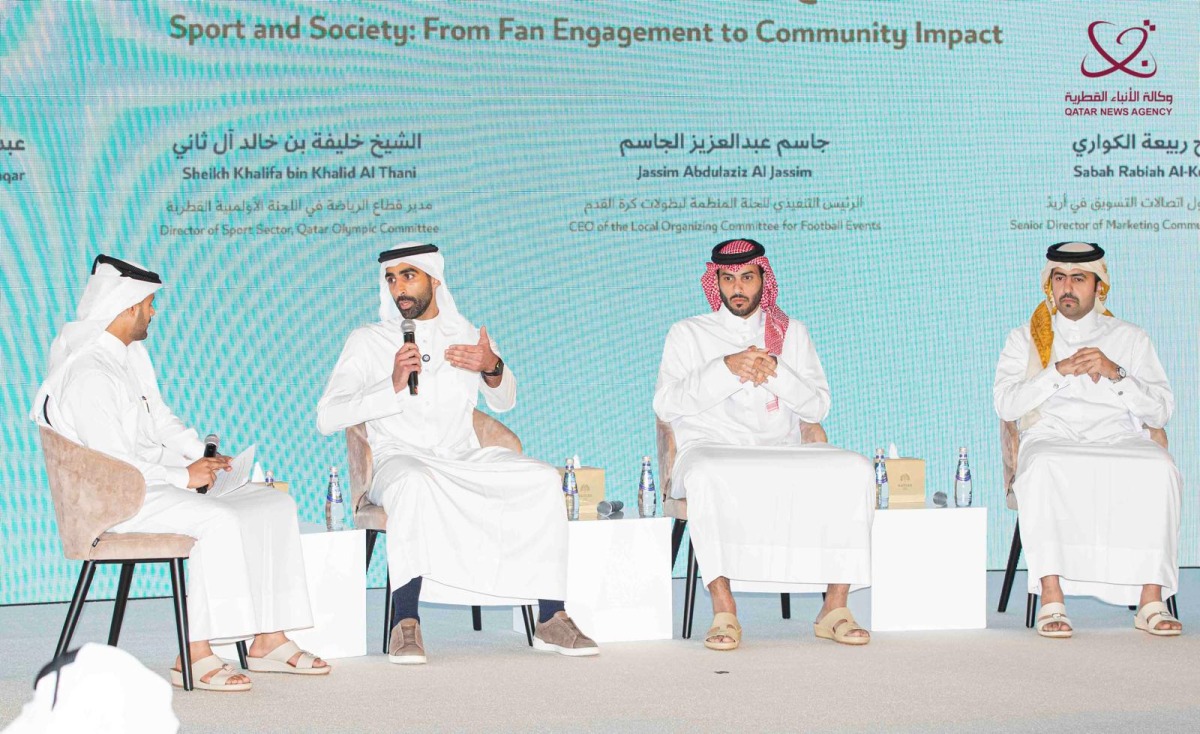

Doha, Qatar – The power of sport as a unifying force and a catalyst for social cohesion was a central theme at the third edition of the Government Communications Forum, held this week in Doha. Panelists discussed how leveraging sporting values and national pride can transform public engagement and reinforce shared societal values. The forum brought together communication professionals and sports officials to explore effective strategies for maximizing the positive impact of athletic events.
Discussions focused on Qatar’s experience hosting major international tournaments and the role of government communication in amplifying their social and cultural benefits. Experts highlighted the importance of coordinated efforts between organizing committees, media outlets, and government bodies to present a positive image of the country and foster a sense of national belonging. The event underscored the growing recognition of sport as a powerful tool for public diplomacy and community building.
The Strategic Role of Sport in National Narratives
The forum emphasized that sport is more than just competition; it’s a cultural phenomenon with the ability to inspire and unite. Participants noted that successful sporting events require extensive planning, often spanning months or years, and that effective communication is crucial throughout the entire process. This communication extends to international federations, local stakeholders, and the public, ensuring a seamless and positive experience for all involved.
Qatar’s Experience as a Host Nation
Sheikh Khalifa bin Khalid Al-Thani, Director of the Sports Sector at the Qatar Olympic Committee, stated the committee oversees a robust annual sports calendar, currently featuring 83 events. He affirmed the committee’s pivotal role in organizing and managing these events through its supervision of various Qatari sports federations. This demonstrates Qatar’s commitment to becoming a leading global destination for sports, according to the committee.
Jassim Abdulaziz Al Jassim, CEO of the Local Organising Committee for Football Events, highlighted the importance of integrated communication and coordination systems. He noted that this integration was key to the success of recent tournaments, including the FIFA U-17 World Cup and the Arab Cup, and positively impacted the country’s global standing. Al Jassim also praised the collaboration with government communication offices and media institutions.
Qatar’s ability to host multiple tournaments concurrently was also discussed, showcasing the country’s logistical capabilities and the coordinated efforts of various sectors, including security and transportation. This capacity, panelists agreed, is a significant asset in attracting future international events.
Social Transformation Through Athletics
Beyond the economic benefits, the forum explored the social impact of sporting events. Al Jassim pointed to increased family attendance, greater female participation, and the rise of national team stars as role models as positive social transformations resulting from these events. These changes contribute to a more inclusive and engaged society.
Sabah Rabiah Al Kuwari, Senior Director of Marketing Communications at Ooredoo Qatar, presented the Doha Marathon as a prime example of a community sporting event. The marathon has grown significantly, attracting over 20,000 participants from more than 160 nationalities, including 2,200 international competitors. This growth illustrates the increasing appeal of sport as a platform for community engagement and international collaboration.
The discussions also touched upon the related concept of national identity, with participants agreeing that sport can play a vital role in strengthening a sense of belonging and shared purpose. Furthermore, the importance of community participation was repeatedly emphasized as a key outcome of successful sporting initiatives.
The forum acknowledged that effective government communication is essential for highlighting the human stories and social benefits associated with sport. By showcasing initiatives that promote civic engagement and positive social change, Qatar aims to leverage its sporting investments for broader societal gains.
Looking ahead, the Government Communications Forum is expected to publish a white paper summarizing the key findings and recommendations from the event. This document will likely serve as a guide for future government communication strategies related to sports and other national initiatives. The ongoing development of Qatar’s sports infrastructure and its continued bid to host major international events will be crucial factors to watch in the coming years.