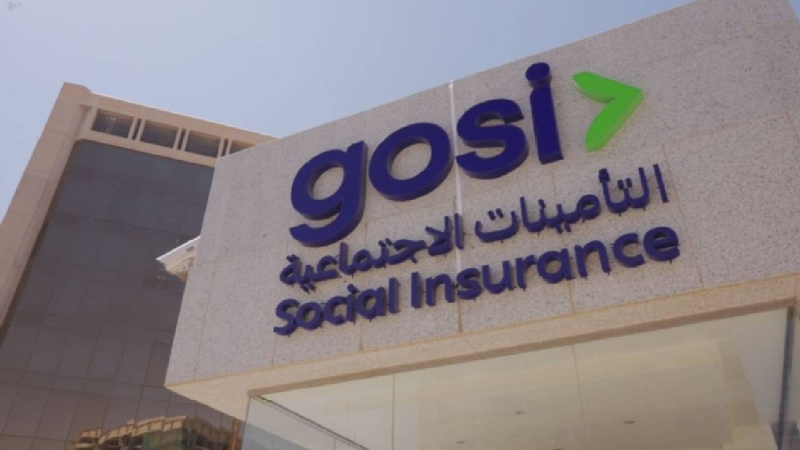

The General Organization for Social Insurance (GOSI) in Saudi Arabia has expanded the accessibility of its digital services by adding Bengali, Urdu, and Filipino language options to its mobile application. This update, announced recently, aims to improve the user experience for expatriate subscribers who may not be fluent in Arabic, facilitating easier access to their social insurance benefits. The change is effective immediately with users encouraged to update their apps.
The announcement, made by GOSI officials in Riyadh, impacts a significant portion of the Kingdom’s expatriate workforce. Saudi Arabia hosts a large number of workers from Bangladesh, Pakistan, and the Philippines, many of whom are enrolled in the GOSI system as part of their employment contracts. This move directly addresses a long-standing need for more inclusive digital services.
Expanding Access to Social Insurance Services
The addition of these three languages represents a deliberate effort by GOSI to enhance inclusivity and transparency in its service delivery. Previously, the GOSI app was primarily available in Arabic and English, potentially creating barriers for a substantial segment of the expatriate population. According to data from the Ministry of Human Resources and Social Development, over 35% of the workforce in the private sector are foreign nationals.
Why the Change?
The decision to prioritize Bengali, Urdu, and Filipino was likely driven by demographic data reflecting the nationalities of a large proportion of GOSI subscribers. These languages are widely spoken among workers in sectors such as construction, domestic service, and retail. Providing information in a subscriber’s native language can significantly improve understanding of benefits, contribution requirements, and claim procedures.
However, the move also aligns with Saudi Arabia’s broader Vision 2030 plan, which emphasizes digital transformation and improved quality of life for all residents. Increased accessibility to government services is a key component of this initiative. The Kingdom has been actively investing in technology to streamline processes and enhance citizen and resident experiences.
How the Implementation Works
GOSI has stated that the new language options are available through a simple update to the existing mobile application. Subscribers are urged to download the latest version from their respective app stores (iOS and Android) to access the new features. The app will likely detect the user’s device language settings and automatically display the interface in the corresponding language, if available.
Meanwhile, GOSI has not yet detailed whether the language options will extend to other digital platforms, such as the GOSI website or online portals. It remains unclear if customer service representatives will also receive training to provide support in these additional languages. These are potential areas for future expansion.
Additionally, the update is expected to reduce the burden on GOSI’s call centers and in-person service locations. By empowering subscribers to independently access information and manage their accounts, the organization can potentially streamline operations and improve efficiency. This could lead to faster processing times for claims and inquiries.
In contrast to some other government digital initiatives, GOSI’s rollout appears to be relatively straightforward. The update focuses on language accessibility, a tangible improvement that directly benefits a large segment of the population. This approach minimizes potential technical complexities and maximizes impact.
The move also reflects a growing trend among government entities globally to prioritize user experience and accessibility in digital service delivery. Providing multilingual support is increasingly recognized as a best practice for ensuring equitable access to essential services. This is particularly important in countries with diverse populations, like Saudi Arabia.
The addition of these languages to the GOSI app is also expected to improve compliance with labor laws and employee rights. Clear communication about insurance benefits is crucial for ensuring that workers understand their entitlements and can effectively exercise their rights. This can contribute to a more stable and productive workforce.
Looking ahead, GOSI has not announced a timeline for adding further languages to its digital platforms. However, the organization is likely to monitor usage patterns and subscriber feedback to identify potential areas for future expansion. The success of this initial rollout will likely influence future decisions regarding multilingual support. It remains to be seen whether GOSI will consider adding languages spoken by other significant expatriate communities in the Kingdom, such as those from India or Nepal.