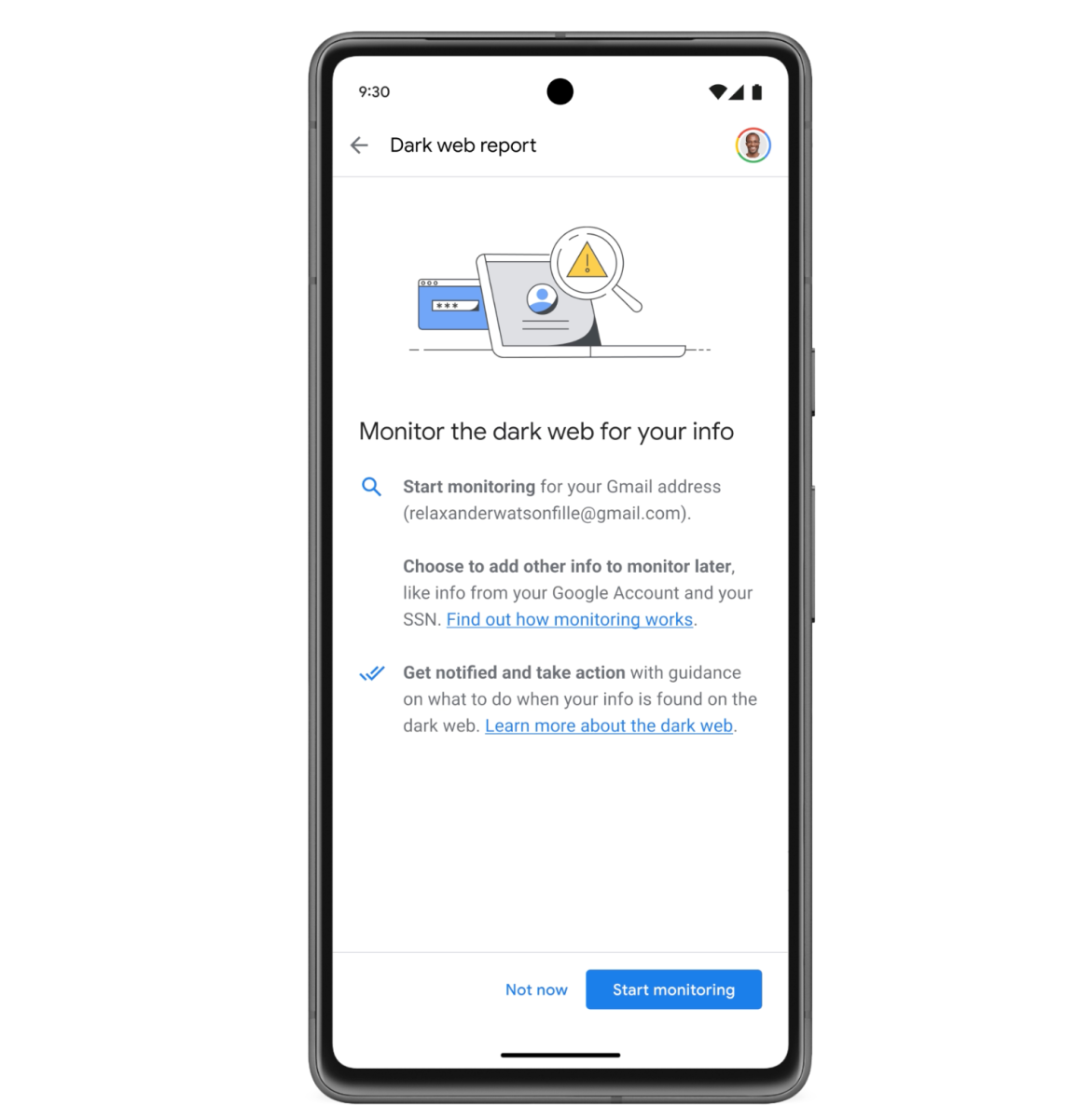

Google is discontinuing its dark web report feature, which alerted users if their personal information appeared on compromised data dumps, effective February 16, 2026. The tool, launched in 2024, aimed to provide proactive notification of potential identity theft risks. Users will no longer receive scans for new breaches after January 16, 2026, marking a shift in Google’s approach to online security monitoring.
The decision to sunset the feature was announced via email to users and first noted by 9to5Google. It comes after Google gathered feedback indicating the reports often lacked actionable guidance for individuals whose data had been compromised. This change reflects a broader industry challenge of translating complex security alerts into practical steps for average internet users.
Why Google is Ending the Dark Web Report
Google stated the primary reason for the shutdown is to focus on security tools that offer “clear, actionable steps” to protect user information. The existing dark web report frequently identified compromised credentials, but users reported difficulty understanding the scope of the breach and how to mitigate the risks. Many found themselves simply changing passwords without knowing which specific accounts were affected.
The dark web itself is a complex and often misunderstood part of the internet. While it has legitimate uses, it’s also a marketplace for stolen data. Monitoring it for personal information requires sophisticated techniques and, crucially, the ability to interpret findings in a way that empowers users to take effective action.
User Frustration with Limited Actionability
Online discussions, particularly on platforms like Reddit, highlighted the frustration with the tool’s limited utility. Users consistently expressed a desire for more than just a notification of a data breach. They wanted guidance on which websites to update, whether to freeze credit reports, or other specific protective measures.
Additionally, the accuracy of information found on the dark web can be questionable. False positives and outdated data were also cited as concerns, further diminishing the value of the reports for some users.
Google’s Alternative Security Measures
Instead of the dark web report, Google is directing users to its existing suite of security tools. These include Security Checkup, which provides a comprehensive review of a Google account’s security settings. The company also offers a built-in Password Manager to generate and store strong, unique passwords for various online accounts.
Password Checkup is another key feature, alerting users when passwords saved within their Google account have been compromised in known data breaches. This proactive approach aims to prevent the reuse of compromised passwords across multiple platforms, a common vulnerability exploited by cybercriminals.
Google emphasizes its ongoing commitment to tracking and defending against online threats, including those originating from the dark web. The company states it will continue to develop and improve its security tools, focusing on providing users with more effective and actionable protection. This shift suggests a move towards preventative measures and integrated security solutions rather than reactive breach notifications.
Understanding Data Breach Monitoring
The discontinuation of Google’s tool doesn’t mean data breach monitoring is no longer valuable. Several third-party services offer similar functionality, often with more detailed analysis and personalized recommendations. However, these services typically come with a subscription fee.
It’s important to remember that no single tool can guarantee complete protection against identity theft. A layered approach to security, including strong passwords, two-factor authentication, and regular monitoring of credit reports, is essential.
What Users Need to Do Before February 2026
Users currently utilizing the dark web report feature should be aware that scanning for new breaches will cease on January 16, 2026. The tool itself will be officially discontinued on February 16, 2026, and all associated data will be deleted from Google’s servers.
Individuals who wish to remove their information from the system before the deadline can do so by navigating to “Results with your info,” selecting “Edit monitoring profile,” and then choosing “Delete monitoring profile.” This will ensure that no data remains on Google’s servers after the shutdown.
Looking ahead, the effectiveness of Google’s new strategy will depend on user adoption of its alternative security tools. It remains to be seen whether these tools will provide a more satisfying and impactful experience for users concerned about their online security. The industry will likely continue to explore ways to bridge the gap between identifying data breaches and empowering individuals to take meaningful protective action.