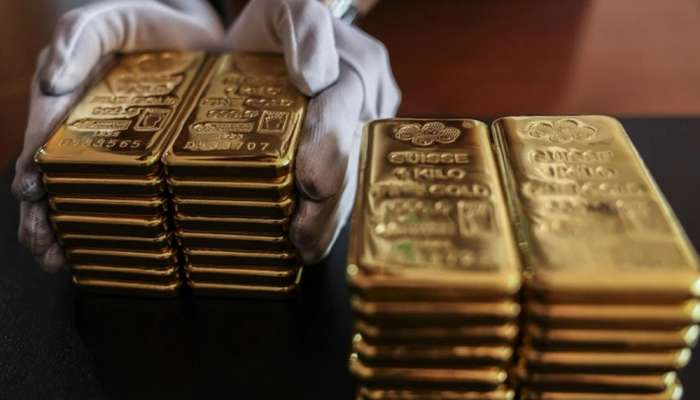

Singapore saw a pullback in gold prices on Thursday, a shift driven by easing geopolitical concerns and a strengthening US dollar. The precious metal, which recently reached record highs, experienced a decline as investors reassessed their positions on safe-haven assets. This article will delve into the factors contributing to this downturn, examining the performance of gold and other precious metals in the current market landscape, and what this might mean for investors.
Gold Prices Retreat Amidst Shifting Market Sentiment
The recent surge in gold prices was largely fueled by heightened global uncertainty, particularly related to conflicts and economic anxieties. However, a slight cooling of these tensions provided a catalyst for a correction. Spot gold fell 0.8% to $4,799.79 per ounce, following a peak of $4,887.82 in the previous trading session. This demonstrates the sensitivity of the gold market to global events and investor risk appetite.
US gold futures for February delivery mirrored this trend, decreasing by 0.6% to $4,806.60 per ounce. The decline suggests a broader consensus among traders that the immediate need for the security offered by gold has diminished, at least temporarily. Understanding these market dynamics is crucial for anyone involved in precious metals trading or investment.
The Role of the US Dollar
A significant factor contributing to the drop in gold prices was the strengthening of the US dollar. Gold is typically priced in US dollars, so a stronger dollar makes it more expensive for holders of other currencies. This reduced demand, particularly from international buyers, putting downward pressure on prices.
Conversely, a weaker dollar often boosts gold prices, as it becomes more affordable for a wider range of investors. The inverse relationship between the dollar’s strength and gold’s value is a fundamental principle of the commodities market. Investors are closely monitoring the dollar’s performance for further clues about the future direction of gold.
Performance of Other Precious Metals
The downturn wasn’t limited to gold. Other precious metals also experienced price declines on Thursday. Spot silver fell 0.9% to $92.38 per ounce, while platinum saw a more substantial drop of 2.7% to $2,415.60 per ounce. Palladium also edged lower, slipping 1% to $1,821.50 after hitting a one-week high previously.
These movements highlight the interconnectedness of the precious metals market. While gold often leads the way, changes in overall market sentiment and economic conditions can impact the prices of silver, platinum, and palladium as well. The demand for these metals is also influenced by industrial applications, adding another layer of complexity to their price fluctuations.
Platinum and Palladium: Industrial Demand Considerations
Platinum and palladium are particularly sensitive to industrial demand, as they are key components in catalytic converters used in automobiles. Concerns about a potential slowdown in the automotive industry, coupled with the broader risk-off sentiment, contributed to their steeper declines.
The transition to electric vehicles also presents a long-term challenge to the demand for these metals. While they will likely remain important for some time, the growth of EVs could eventually reduce their reliance in the automotive sector. This makes understanding precious metals investing a nuanced process.
Factors to Watch Moving Forward
Several key factors will likely influence the future trajectory of gold prices and the broader precious metals market. Continued monitoring of geopolitical developments is essential. Any escalation of existing conflicts or the emergence of new ones could quickly reignite demand for safe-haven assets like gold.
Additionally, the performance of the US dollar will remain a critical indicator. Federal Reserve policy decisions and economic data releases will play a significant role in determining the dollar’s strength. Inflation data is also crucial, as gold is often seen as a hedge against inflation.
Finally, investors should pay attention to central bank activity. Central banks are major holders of gold, and their buying or selling patterns can have a substantial impact on market prices. Analyzing these trends will be vital for informed decision-making in the commodities market.
In conclusion, the dip in gold prices on Thursday reflects a temporary shift in market sentiment driven by easing geopolitical tensions and a stronger US dollar. While the recent record highs may be a thing of the past for now, the underlying factors that make gold a valuable asset – its role as a safe haven and a hedge against inflation – remain intact. Investors should continue to monitor the key indicators mentioned above and consider their own risk tolerance and investment goals when making decisions about precious metals. Further research into precious metals trading strategies is recommended for those looking to actively participate in this dynamic market.