


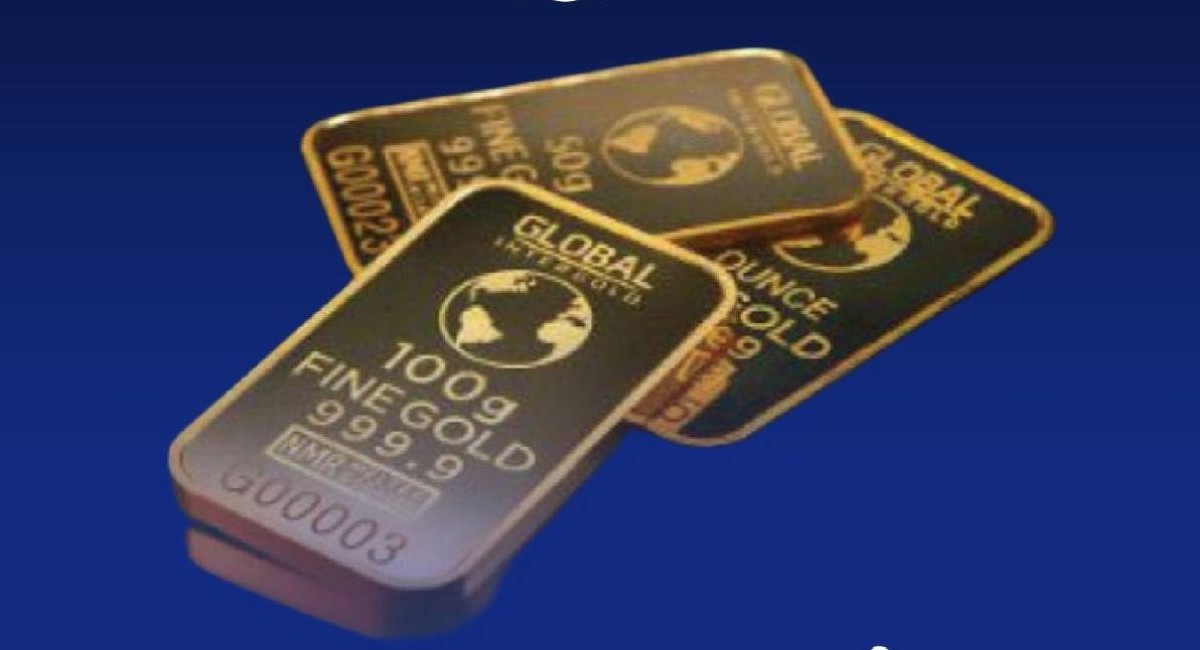

Kuwait’s gold market experienced a week of fluctuating prices, ultimately stabilizing at $4,595 per ounce despite a mid-week dip fueled by profit-taking and easing geopolitical anxieties. This movement comes as investors anticipate a prolonged period of restrictive monetary policy from the US Federal Reserve, impacting global investment strategies. A recent report from Kuwaiti firm Dar Al-Sabaik detailed these shifts, highlighting both the gains and corrections within the precious metal’s performance.
Gold Price Trends in Kuwait: A Week in Review
The week began with gold reaching new record highs, driven initially by heightened geopolitical risks. Concerns surrounding potential US military action against Iran significantly boosted demand for the safe-haven asset. However, as signals emerged suggesting a possible postponement of military intervention, the risk premium diminished, leading to a subsequent pullback in gold prices.
Geopolitical Influences and Safe-Haven Demand
The initial surge in gold prices was directly linked to escalating tensions in the Middle East. Investors traditionally flock to gold during times of uncertainty, viewing it as a secure store of value. The possibility of a wider conflict prompted a significant increase in demand, pushing prices to unprecedented levels. However, the de-escalation of immediate threats triggered a wave of profit-taking, as investors secured gains. This illustrates the sensitivity of the gold market to global political events.
US Economic Data and Monetary Policy Expectations
Adding to the downward pressure, robust US economic data played a crucial role. Strong industrial production figures and a resilient labor market, with declining unemployment claims, bolstered the US dollar and increased Treasury bond yields. This, in turn, reduced the attractiveness of gold, which doesn’t offer a yield like these other assets.
Dar Al-Sabaik’s report emphasized that these economic indicators strengthened the conviction that the Federal Reserve would likely maintain its current interest rate policy for the foreseeable future. The expectation of continued high interest rates, potentially extending into mid-2026, dampened enthusiasm for further gains in precious metals.
Technical Analysis and Market Outlook
From a technical standpoint, gold found support below $4,600 per ounce after briefly falling to $4,537 on Friday, rebounding above the $4,550 level. Technical indicators now suggest a shift from bullish to neutral momentum, indicating increased volatility within a wider trading range.
Key Support and Resistance Levels
Currently, $4,550 is considered a pivotal support level, while the $4,600 to $4,640 range represents a key resistance zone. The report noted significant price fluctuations throughout the week, oscillating between $4,536 and $4,640 per ounce, driven by developments in US monetary policy and geopolitical news. Despite the recent declines, prices remain relatively close to their historical highs, suggesting underlying structural support for gold.
Divergent Analyst Opinions
Analysts remain divided on the short-term outlook for gold. Some anticipate a temporary correction due to profit-taking and rising yields, while others believe the long-term fundamentals – including high global debt levels and ongoing political instability – will continue to support the precious metal. The market is now keenly awaiting upcoming US economic data releases, including inflation indicators, GDP figures, and purchasing managers’ indices, which are expected to significantly influence monetary policy expectations and, consequently, gold prices.
Kuwaiti Market Performance & Local Prices
The global performance of gold was mirrored in the Kuwaiti market. According to the report, a gram of 24-karat gold reached approximately KD 45.420 (around $150), while a gram of 22-karat gold was priced at KD 41.630 (approximately $137.30). Silver prices stabilized at around KD 965 dinars per kilogram (about $3,100), benefiting from the overall positive momentum in the metals markets. This demonstrates the interconnectedness of global and local gold trading.
Looking Ahead: Volatility and Uncertainty
The report concludes that gold is currently navigating a highly volatile and uncertain environment. Investors are closely monitoring any shifts in US monetary policy or a resurgence of geopolitical tensions, both of which could quickly reignite upward momentum. The coming weeks will be crucial in determining the direction of gold prices, as the market digests new economic data and assesses the evolving geopolitical landscape.
Ultimately, understanding these factors – from US economic policy to global political events – is key to navigating the complexities of the gold market and making informed investment decisions. Staying informed about reports like the one issued by Dar Al-Sabaik will be vital for investors seeking to capitalize on opportunities and mitigate risks in the precious metals sector.