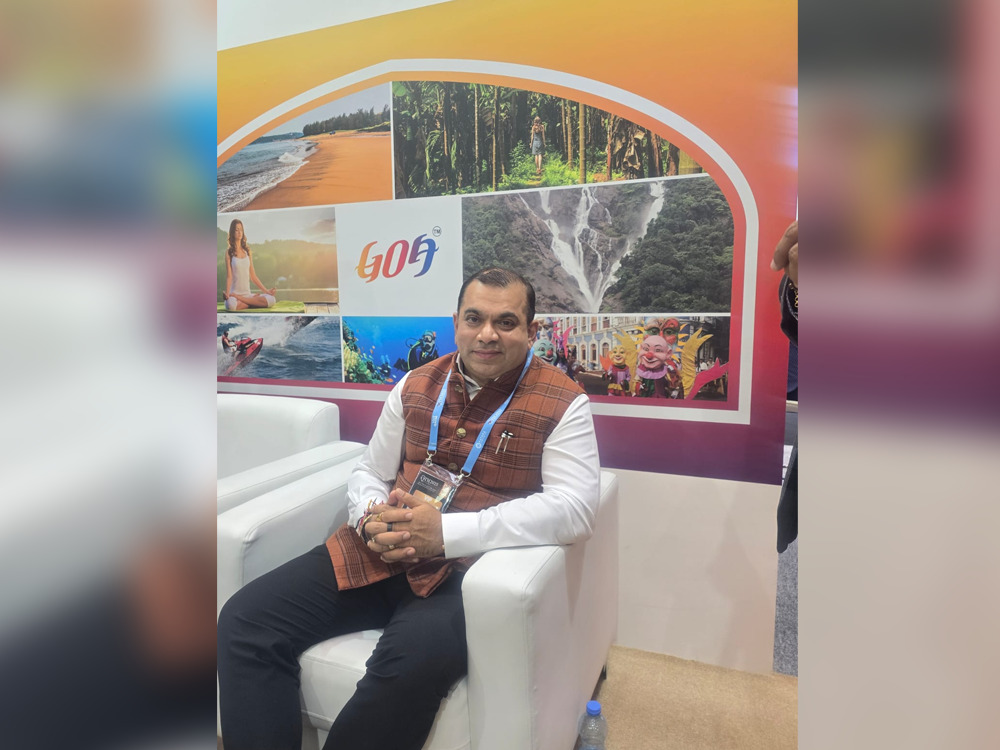

Goa is actively strengthening tourism ties with Qatar and the broader Middle Eastern region as part of a strategy to attract a wider range of international visitors, according to Rohan A Khaunte, the state’s Minister for Tourism. Driven by increasing flight connectivity and evolving travel preferences, this initiative aims to position Goa as a year-round destination beyond its traditional image. This push for increased Goa tourism is part of a larger effort to diversify the state’s economy and promote sustainable practices.
The announcement comes following the Minister’s participation in the Qatar Travel Mart (QTM) 2025. Khaunte emphasized the significance of Qatar’s emerging role as a global tourism hub, noting its successful transformation from a transit point to a hospitality destination. The QTM provided a platform for Goan tourism representatives to forge partnerships and showcase the state’s broadening appeal.
Expanding Goa Tourism: Beyond Sun, Sand and Sea
For decades, Goa has been synonymous with its beaches, attracting visitors primarily during the winter months. However, the state government is now focused on developing new tourism verticals to extend the season and attract a higher-value traveler. This includes initiatives focused on heritage, culture, sports, spirituality, and digital connectivity, reflecting the “5S vision” articulated by Minister Khaunte.
New Attractions Fueling Diversification
Goa’s burgeoning sports tourism sector is gaining traction, having successfully hosted events such as Ironman 70.3, World Table Tennis series matches, and a World Beach Volleyball tournament. The ongoing World Chess Championship is also generating interest. According to the Minister, these events allow tourists to experience Goa in a more immersive manner, moving beyond the beach lifestyle.
Additionally, Goa has seen a rise in digital nomads, particularly following the shift to remote work during the COVID-19 pandemic. Improved digital infrastructure and a supportive homestay policy are contributing factors to this trend. The government believes homestays offer authentic cultural experiences and benefit local communities by providing additional income opportunities.
Monsoon Season Emerges as a Draw
Interestingly, Goa is witnessing a growing number of tourists visiting during the monsoon season, with a notable increase from travelers in the United Arab Emirates and Qatar. Traditionally, visitors from these regions favor cooler destinations during the summer, but Goa’s lush landscapes and monsoon festivals are proving to be powerful attractions. The Sao Joao and Chikal Kalo festivals are specifically mentioned as key drivers of this shift.
The Minister highlighted the importance of attracting “quality tourists” rather than simply focusing on visitor numbers. This emphasis on value aligns with a broader commitment to sustainable tourism, ensuring that the benefits of tourism are distributed equitably and that Goa’s unique environment and cultural identity are preserved. This commitment was formalized in the “Goa Roadmap” developed during the state’s participation in the G20 Tourism Working Group Meetings in 2023.
Improved air connectivity is seen as crucial to supporting this growth. While direct flights between Goa and Qatar currently exist, officials are exploring opportunities to further expand routes and increase frequency, particularly with other nations in the Middle East. Increased accessibility will be vital to realizing the full potential of this developing market and boosting Indian tourism overall.
Looking ahead, the success of Goa’s diversification strategy depends on continued investment in infrastructure and the sustained promotion of its evolving offerings. The immediate focus is on maximizing visitor numbers during the 2025-2026 tourism season. Further development of the monsoon tourism segment and attracting more large-scale sporting events will be closely monitored to assess the effectiveness of these initiatives.