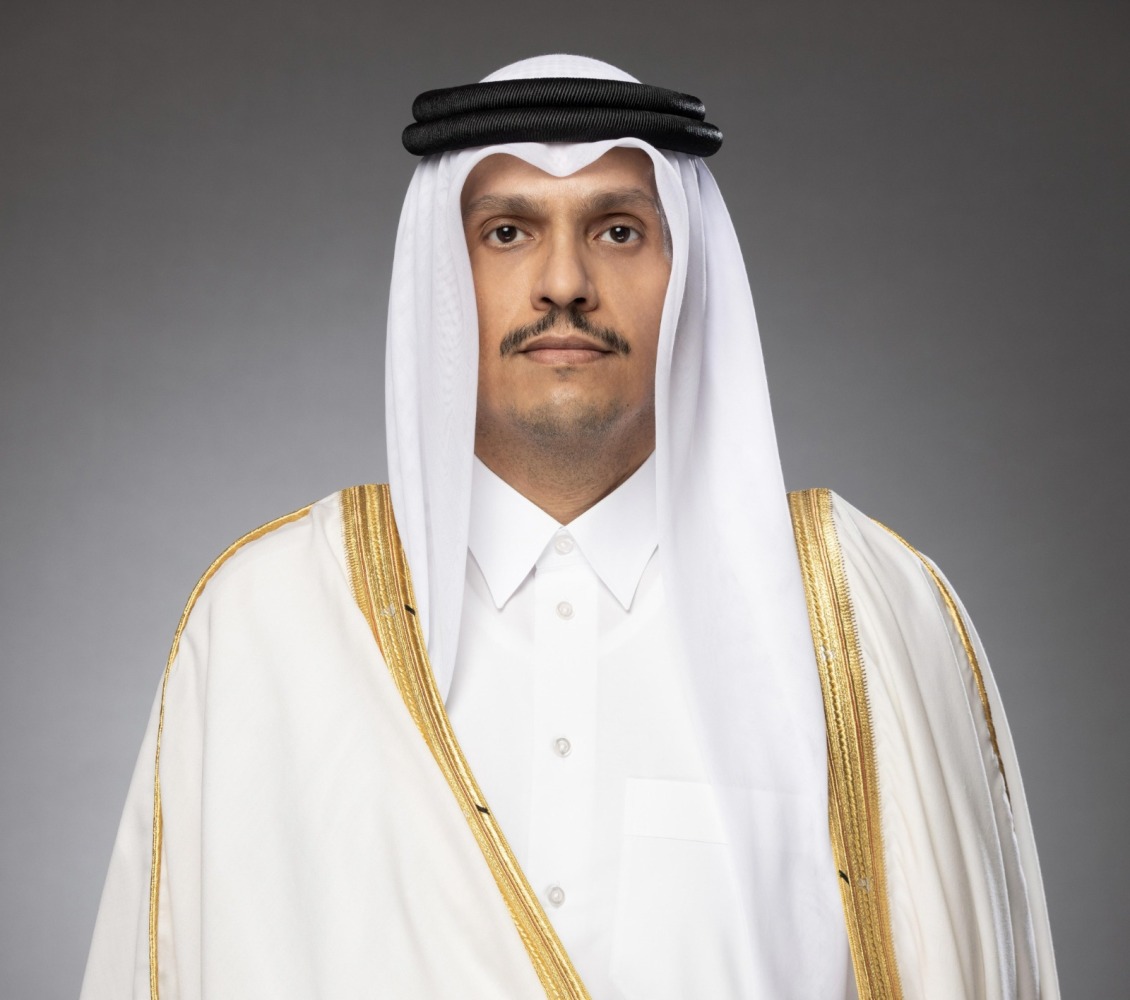

Doha, Qatar will host the Global Security Forum (GSF) from April 12-14, 2026, under the patronage of His Excellency Sheikh Mohammed bin Abdulrahman Al-Thani, Prime Minister and Minister of Foreign Affairs. The announcement, made by the organizing committee, positions the forum as a crucial international platform for addressing escalating global security challenges. The 2026 edition will focus on the theme of ‘Collective Security and the Crisis of Legitimacy,’ reflecting growing concerns about the effectiveness of international cooperation.
The GSF aims to bring together high-level leaders and policymakers to discuss how to restore trust in international institutions and frameworks. This year’s forum comes at a time of increased geopolitical tension and a questioning of the established international order. According to the organizing committee, the event will provide a space for candid discussion and the development of actionable strategies.
The Growing Importance of Global Security Forums
International security forums like the GSF have become increasingly vital in recent years as the world faces a complex and interconnected array of threats. These gatherings offer a unique opportunity for dialogue between government officials, security experts, and thought leaders, fostering collaboration and understanding. The GSF, in particular, has quickly established itself as a leading voice in the field since its inception in 2018.
Addressing a Crisis of Confidence
The chosen theme, ‘Collective Security and the Crisis of Legitimacy,’ highlights a central concern for the international community. Colin P. Clarke, Official Spokesperson of the GSF, emphasized the urgency of the situation, noting a decline in trust towards international organizations and governing principles. This erosion of confidence, he stated, threatens the stability of the global system.
The forum will explore how collective security mechanisms can adapt to a world characterized by polarization, rapid technological advancements, and challenges to the rules-based international order. Discussions will likely cover topics such as the future of multilateralism, the role of international law, and the impact of emerging technologies on international security.
Qatar’s Role in International Security
Qatar has increasingly positioned itself as a mediator and facilitator in regional and international conflicts. Hosting the GSF underscores the nation’s commitment to promoting dialogue and finding solutions to complex security issues. The event builds on existing collaborations between the organizing committee and the Qatar International Academy for Security Studies (QIASS).
Additionally, the forum will showcase the ongoing work of Qatar’s Internal Security Forces and the Ministry of Interior in advancing security practices. This collaboration demonstrates a national dedication to both domestic and global safety. The country’s strategic location and diplomatic efforts make it a natural hub for discussions on geopolitical affairs.
The GSF has a reputation for attracting a distinguished group of participants, including heads of state, foreign and defense ministers, national security advisors, and leaders from intelligence and law enforcement agencies. This high-level engagement contributes to the forum’s influence and its ability to shape global security policy. The event is known for fostering “honest dialogue and actionable insight,” according to organizers.
As global powers navigate increasing competition and fragmentation, the need for renewed cooperation and a strengthened international order is paramount. The GSF 2026 aims to contribute to this effort by identifying pathways towards greater legitimacy and stability. The forum’s focus on collective security is particularly relevant in an era where transnational threats, such as terrorism and climate change, require coordinated responses.
Further details regarding the GSF 2026 program, including a full list of speakers and specific session topics, are expected to be released in the coming weeks. Registration information will also be made available at a later date. Observers will be watching to see which key international figures confirm their attendance and the specific policy recommendations that emerge from the discussions.