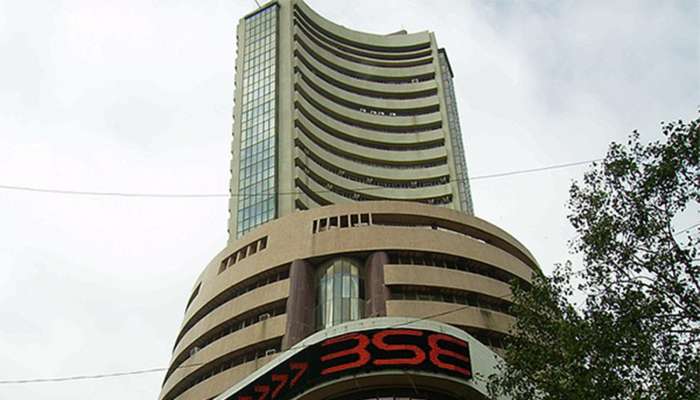

Indian stock indices experienced a significant surge on Wednesday, closing sharply higher as positive global cues and strengthening domestic fundamentals fueled a broad-based rally. The Indian stock market witnessed robust buying across sectors, culminating in impressive gains for both benchmark indices. The Sensex soared to 85,609.51 points, a substantial increase of 1,022.50 points or 1.21%, while the Nifty closed at 26,205.30 points, up 320.50 points or 1.24%.
Drivers Behind Wednesday’s Market Rally
The impressive performance of the Indian stock market was a confluence of several factors, both domestic and international. Experts point to a “risk-on” sentiment in global equities, bolstered by growing expectations of a potential interest rate cut by the U.S. Federal Reserve in December. Recent U.S. economic data, including September retail sales and producer price data, indicated softening demand and easing inflationary pressures, strengthening the case for a more dovish monetary policy.
Global Market Influence
US markets had already shown positive momentum on Tuesday, despite a dip in Nvidia’s stock price. This was largely driven by the increasing anticipation of a Fed rate cut on December 10th, following weaker-than-expected retail sales and private payrolls figures. This positive sentiment quickly spilled over into Asian markets and ultimately, into the Indian stock market.
Meanwhile, easing crude oil prices also contributed to the optimistic outlook. Hopes for progress in peace talks between Ukraine and Russia offered a degree of stability and reduced concerns about potential supply disruptions.
Domestic Factors Supporting the Uptrend
Beyond the global influences, several domestic factors played a crucial role in Wednesday’s rally. Analysts are also attributing the gains to what’s often referred to as the “Santa Claus rally,” a historical tendency for stock markets to rise during the holiday season.
Strong Investor Inflows and RBI Expectations
Vinod Nair, Head of Research at Geojit Investments Limited, highlighted the robust inflows from retail and domestic institutional investors (DIIs) as a key driver. While foreign institutional investor (FII) flows remained relatively modest, the combined effect of domestic demand was significant.
Furthermore, expectations surrounding the Reserve Bank of India (RBI) are adding to the positive sentiment. A 25-basis-point repo rate cut is widely anticipated in December, supported by moderating inflation and a generally dovish stance from the central bank. This potential rate cut is viewed as a positive catalyst for the Indian stock market.
Sectoral Performance and Key Highlights
All sectoral indices experienced gains on Wednesday, demonstrating the broad-based nature of the rally. The metal, consumer durables, and oil and gas sectors led the charge, according to data from the National Stock Exchange (NSE). This widespread participation suggests a strong underlying confidence in the overall economic outlook.
Initial Volatility and Subsequent Recovery
The day didn’t begin without its challenges. The Indian stock market initially faced pressure from the previous session, with both benchmark indices opening in the red. However, the market quickly reversed course, drawing strength from the positive cues emerging from global markets. This resilience demonstrates the underlying strength of the Indian economy and investor confidence.
Expert Perspectives on the Rally
Ponmudi R, CEO of Enrich Money, emphasized the broad-based buying across sectors as a clear indication of the improved risk appetite. Ajit Mishra, SVP of Research at Religare Broking Ltd, echoed this sentiment, noting that the rally was supported by a combination of domestic and global factors. He specifically highlighted the renewed optimism regarding potential rate cuts by both the US Federal Reserve and the Reserve Bank of India.
Looking Ahead: Sustainability and Potential Risks
The Wednesday rally provides a positive signal for the Indian stock market, but it’s crucial to consider the sustainability of this momentum. While expectations of rate cuts are currently driving sentiment, any unexpected shifts in monetary policy or economic data could quickly alter the landscape.
Investors should remain vigilant and monitor key economic indicators, global events, and corporate earnings reports. Maintaining a diversified portfolio and adopting a long-term investment horizon are essential strategies for navigating market volatility. The current positive trend, however, suggests a potentially strong finish to the year for Indian equities.
This article aims to provide a comprehensive overview of the factors driving the recent rally in the Indian stock market, offering insights for both investors and those interested in the financial markets.