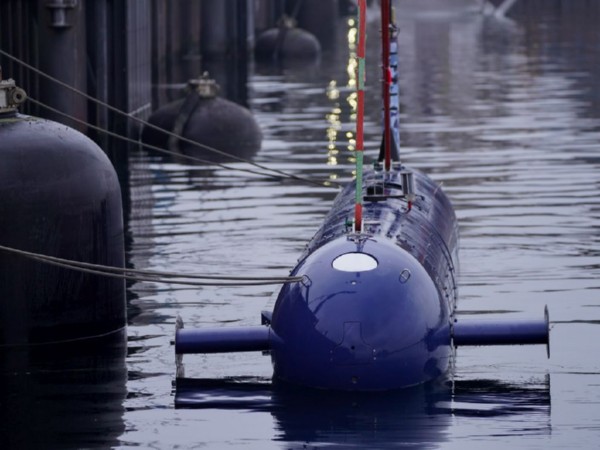

Germany is poised to strengthen its defense ties with India, with plans for leading naval shipbuilder, ThyssenKrupp Marine Systems (TKMS), to initiate talks regarding a significant contract for six new diesel-electric submarines. This potential deal, valued at approximately $8 billion, represents a major opportunity for both nations and a crucial step in modernizing the Indian Navy’s underwater capabilities. The discussions are scheduled to coincide with German Chancellor Friedrich Merz’s upcoming visit to India later this month, signaling the importance placed on this collaboration.
TKMS Submarine Deal: A Potential Game Changer for the Indian Navy
The proposed sale centers around the Type 214 submarines, a modern class of non-nuclear submarines renowned for their quiet operation and advanced technology. These submarines are already in service with several navies globally, including Greece, Turkey, South Korea, and Portugal, demonstrating their proven reliability and effectiveness. The Indian Navy has been actively seeking to enhance its submarine fleet, and the Type 214 presents a compelling option to address growing regional security concerns.
This isn’t simply an arms sale; it’s a potential pathway to deeper technological cooperation. The agreement, if finalized, will involve the “Make in India” initiative, with the submarines being manufactured in India in partnership with Mazagon Dock Shipbuilders (MDL) in Mumbai. This transfer of technology and collaborative manufacturing will significantly boost India’s indigenous defense industry.
The Significance of “Make in India”
The “Make in India” program is a cornerstone of the Indian government’s strategy to become self-reliant in defense production. By partnering with TKMS, MDL will gain valuable expertise in advanced submarine construction techniques. This will not only contribute to fulfilling the immediate requirement for new submarines but also lay the foundation for future indigenous submarine development programs. The program aims to reduce reliance on imported military equipment and foster a robust domestic defense ecosystem.
Mazagon Dock Shipbuilders (MDL): A Proven Partner
MDL has a long and established history of building submarines for the Indian Navy. Since the late 1980s, the shipyard has been instrumental in expanding India’s underwater fleet. Most recently, MDL successfully manufactured the Kalvari-class submarines, based on the Scorpene-class design developed by France’s Naval Group.
This existing infrastructure and experience make MDL an ideal partner for TKMS. The collaboration will leverage MDL’s established capabilities while incorporating the advanced technology of the Type 214 diesel-electric submarines. The synergy between the two shipbuilders is expected to streamline the manufacturing process and ensure the delivery of high-quality submarines.
Type 214 Capabilities: A Deep Dive
The Type 214 submarines are equipped with a range of advanced features that make them formidable underwater assets. Key capabilities include:
- Air-Independent Propulsion (AIP): This crucial technology allows the submarines to remain submerged for extended periods, significantly enhancing their operational endurance and stealth.
- Advanced Sensor Suite: The Type 214 boasts a sophisticated sonar system and other sensors for enhanced situational awareness and target detection.
- Torpedo and Missile Armament: The submarines are capable of carrying a variety of torpedoes and missiles, providing them with a potent offensive capability.
- Deep Diving Depth: With a maximum diving depth of nearly 400 meters, the Type 214 can operate in challenging underwater environments.
These features, combined with the quiet operation of the submarine, make it a difficult target to detect and engage. The integration of these capabilities into the Indian Navy’s fleet will substantially improve its ability to project power and safeguard maritime interests.
Geopolitical Implications and Future Defense Cooperation
The potential submarine deal between Germany and India has broader geopolitical implications. It signifies a strengthening of defense cooperation between the two countries, particularly in the context of increasing security challenges in the Indo-Pacific region. Germany has been actively seeking to diversify its defense partnerships, and India represents a key strategic market.
Furthermore, this agreement could pave the way for future collaborations in other areas of defense technology. India is looking to modernize its entire military apparatus, and Germany possesses a wealth of expertise in naval technology, armored vehicles, and electronic warfare. The successful implementation of the diesel-electric submarine project could unlock further opportunities for cooperation.
The upcoming discussions between TKMS and Indian officials are expected to cover not only the technical specifications and financial terms of the deal but also the details of technology transfer and local content requirements. Successfully navigating these complexities will be crucial to ensuring the long-term success of the partnership. The Indian Navy’s modernization efforts, coupled with Germany’s commitment to defense cooperation, suggest a promising future for bilateral ties in the defense sector.
In conclusion, the prospective agreement for six Type 214 diesel-electric submarines represents a significant development for both India and Germany. It promises to bolster the Indian Navy’s capabilities, foster indigenous defense production through the “Make in India” initiative, and strengthen the strategic partnership between the two nations. The outcome of the discussions later this month will be closely watched by defense analysts and industry stakeholders alike, as it could set a new precedent for future defense collaborations in the region.