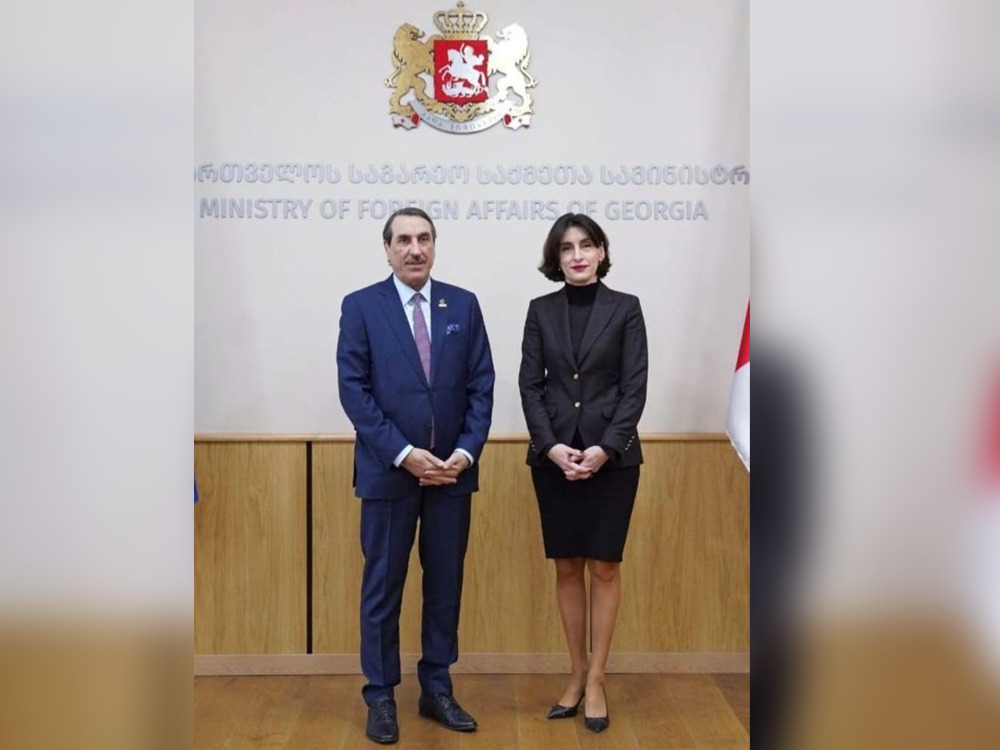

Tbilisi, Georgia – Georgia and Qatar are strengthening diplomatic and economic ties, as evidenced by a recent meeting between Georgian Foreign Minister Maka Botchorishvili and Qatar’s Ambassador to Georgia, Ali Youssef Abdulrahman Al Mulla. The discussion, held in Tbilisi, focused on expanding bilateral relations and identifying new areas for collaboration between the two nations. This meeting signals continued engagement following a period of growing interest in partnerships between Georgia and Gulf states.
The meeting took place on January 17, 2024, at the Ministry of Foreign Affairs of Georgia. While specific details of the conversation weren’t publicly released, the Georgian Foreign Ministry confirmed the review of existing cooperative efforts and exploration of future opportunities. This dialogue comes amid Georgia’s push for increased foreign investment and its strategic positioning as a regional transit hub.
Boosting Georgia-Qatar Bilateral Relations
The focus on bilateral relations highlights a mutual desire to deepen cooperation beyond existing diplomatic protocols. Georgia, a country seeking closer integration with European institutions, views Qatar as a key partner in the Middle East, particularly in areas of economic development and energy security. Qatar, for its part, sees Georgia as a stable and strategically located country with potential for investment in infrastructure and tourism.
Areas of Potential Cooperation
Several sectors are likely to be central to this growing partnership. According to reports from the Georgian National Investment Agency, Qatar has expressed interest in infrastructure projects, including transportation and logistics. Tourism is another key area, with Qatar Airways already operating flights to Tbilisi, facilitating increased travel between the two countries.
Additionally, discussions likely touched upon potential collaboration in the energy sector. Georgia is working to diversify its energy sources and become a regional energy corridor, and Qatar is a major global energy producer. This synergy could lead to joint ventures and investments in energy infrastructure within Georgia.
However, geopolitical factors and regional instability could influence the pace and scope of this cooperation. The ongoing conflicts in Ukraine and the Middle East create a complex international environment that requires careful navigation by both countries. Despite these challenges, both Georgia and Qatar appear committed to fostering a stronger relationship.
The meeting also comes as Georgia continues to pursue its application for membership in the European Union. Strengthening ties with countries like Qatar can demonstrate Georgia’s ability to engage with a diverse range of international partners, a factor considered by EU officials. This diversification of foreign policy is a key element of Georgia’s broader strategic goals.
Qatar’s diplomatic presence in Georgia has been steadily increasing in recent years, reflecting its growing interest in the region. The appointment of Ambassador Al Mulla in 2023 signaled a commitment to strengthening ties, and this meeting with Minister Botchorishvili is a concrete step in that direction. This increased engagement is part of a wider trend of Gulf states expanding their influence in Eastern Europe and the Caucasus.
Looking ahead, further discussions are expected to take place in the coming months, potentially leading to the signing of new agreements in areas of mutual interest. The Georgian government has indicated its intention to host a business forum with Qatari participation later this year, aiming to facilitate direct investment and partnerships. The success of these initiatives will depend on continued political stability in the region and a shared commitment to fostering economic growth and trade relations.
The development of economic partnerships between Georgia and Qatar is also being closely watched by other regional actors, including neighboring countries and international organizations. The potential for increased investment and infrastructure development could have a significant impact on Georgia’s economic prospects and its role as a regional transit hub. Monitoring the progress of these discussions and any resulting agreements will be crucial for understanding the evolving geopolitical landscape of the Caucasus.
It remains to be seen how quickly these discussions will translate into tangible projects and investments. The timeline for any major agreements is uncertain, and will likely be influenced by ongoing regional and global events. However, the recent meeting between the Foreign Minister and the Ambassador underscores the growing importance of the Georgia-Qatar relationship.
Georgia’s Ministry of Foreign Affairs provides further information on the country’s diplomatic efforts.
Qatar’s Ministry of Foreign Affairs details its international relations.
The National Investment Agency of Georgia offers insights into investment opportunities.