
The Gulf Cooperation Council (GCC) is experiencing a period of robust development and increasingly demonstrating its commitment to global sustainability goals. Recent statements by Secretary-General Jasem Al-Budaiwi highlight significant strides across various sectors, aligning with ambitious national visions focused on improving the quality of life for citizens and bolstering the region’s place on the world stage. As the 46th Gulf Summit in Bahrain approaches, the conversation centers on continued progress and future ambitions for the GCC, particularly regarding the implementation of the UN Sustainable Development Goals (SDGs).
GCC Development: A Multi-Sectoral Success Story
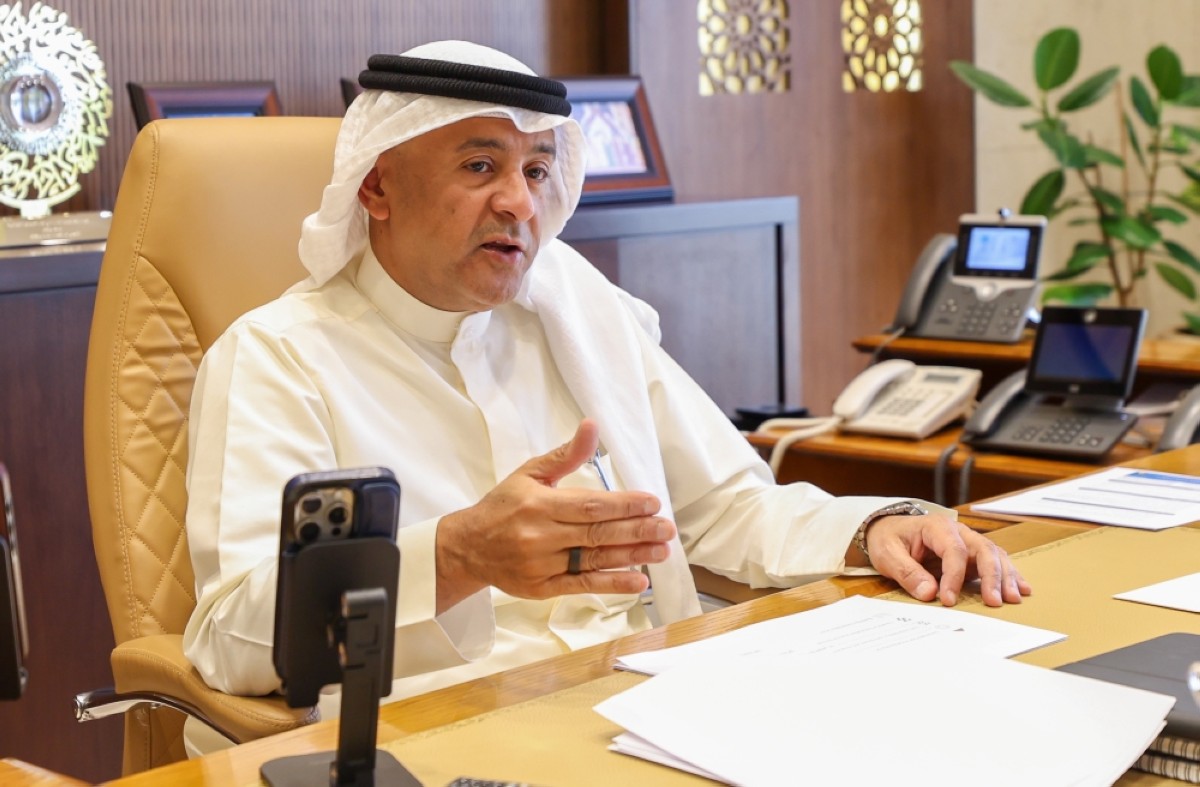
Al-Budaiwi’s address to the Kuwait News Agency (KUNA) underscored a general trend of positive growth within the GCC nations. This development isn’t limited to economic expansion; it encompasses tangible improvements in crucial areas like healthcare, education, and infrastructure. Strategic governmental investments coupled with forward-thinking policies are driving these advancements, aimed at achieving comprehensive and sustainable growth.
The data speaks for itself. According to the Gulf Statistical Center, GCC countries are currently meeting 80-90% of health and education indicators, with improvements exceeding 70% in key areas observed in recent years. This includes substantial progress in areas directly linked to the sustainable development agenda, such as reducing child mortality and increasing access to quality education.
Prioritizing Quality of Life Through National Visions
A key factor underpinning the GCC’s success appears to be the prioritization of quality of life within each nation’s broader strategic planning. These national visions are providing a framework for targeted investments and policy decisions that contribute to both economic growth and social well-being. This holistic approach distinguishes the GCC’s development model and focuses on long-term, people-centric progress.
Leading the Way in Sustainable Development Goals
The GCC isn’t simply following the UN’s SDGs, it’s actively leading in certain areas. The 2025 Global Sustainable Development Report recognized that GCC states have surpassed the global average in achieving targets related to clean energy (SDG7) and industry & innovation (SDG9).
This success in clean energy transition is evident in the significant renewable energy projects blossoming across the region. From large-scale solar farms in the UAE and Saudi Arabia to wind energy initiatives in Oman and Kuwait, the GCC is diversifying its energy sources and reducing its carbon footprint. Further fueling SDG9 are economic diversification programs actively promoting innovation and the growth of non-oil industries.
Regional Integration and Infrastructure Projects
Beyond individual national achievements, the GCC is focusing on strengthening regional integration. A prime example of this is the ambitious GCC railway link project. Al-Budaiwi identified it as a crucial joint initiative, stating steady progress is being made. While challenges remain, with the UAE and Saudi Arabia leading in infrastructure completion, a target date of December 2030 for full operation has been set.
This railway project is projected to revolutionize intra-regional trade, stimulate job creation, and attract foreign investment. It aims to streamline transportation, reducing costs and boosting both passenger and freight traffic – with passenger numbers predicted to rise from 6 million in 2030 to 8 million by 2045. Facilitating ease of travel is further instantianted with the new “One Point Travel” system.
Streamlining Travel with “One Point Travel”
The introduction of the “One Point Travel” system is another step towards a more integrated GCC. This innovative system allows travelers to move freely between member states without undergoing repeated check-ins, significantly enhancing the travel experience and promoting regional tourism. The system will roll out gradually to all GCC citizens and residents, marking a tangible benefit of increased cooperation.
Economic Diversification: Beyond Oil
Recognizing the importance of a resilient economy, the GCC is making significant progress in economic diversification. Non-oil sectors currently contribute approximately 76% of the region’s GDP, totaling nearly $1.7 trillion in 2024. This impressive growth is fueled by investments in tourism, logistics, technology, manufacturing, and – crucially – renewable energy.
Despite this diversification, Al-Budaiwi acknowledged the continued importance of oil in global energy markets. GCC nations remain committed to ensuring global energy security and market stability while simultaneously pioneering a greener and more sustainable economic future.
Focus on Human Capital and Social Progress
The development narrative within the GCC isn’t solely focused on economic indicators. Significant investments in human capital are driving social progress. Improved healthcare services, updated educational curricula, and expanded social protection programs are contributing to higher education enrollment, reduced child mortality rates, and a generally enhanced quality of life. As a result, all GCC countries now fall into the “very high human development” category according to the United Nations. Emphasis is also placed on youth empowerment to bolster innovation, entrepreneurship, and lasting social harmony.
Regional Security and International Collaboration
The 46th GCC Summit will occur within a complex and evolving geopolitical landscape. Discussions are expected to center on regional security concerns, including the Iranian nuclear program, maritime security, and ongoing conflicts in Palestine, Gaza, Lebanon, and Syria. The GCC reaffirms its commitment to principles of sovereignty, territorial integrity, peaceful resolution of disputes, and upholding international law.
The GCC is actively implementing a comprehensive strategy to combat money laundering, terrorism, and extremist financing (2026-2030). This includes strengthening legislation, promoting joint operations, leveraging technology, enhancing international collaboration, and building regional capacity. Organizations like the Permanent Committee for Combating Terrorism (established in 2007) highlight the GCC’s dedication to security cooperation.
In conclusion, the GCC is demonstrably achieving significant development across multiple sectors, consistently surpassing global averages in key areas of sustainable development like clean energy. Driven by ambitious national visions, a commitment to regional integration, and a focus on human capital, the region is actively building a more prosperous and sustainable future. The upcoming 46th Gulf Summit will be a pivotal moment to reaffirm these commitments and address the evolving security challenges facing the region, further solidifying the GCC’s role as a key player on the global stage.