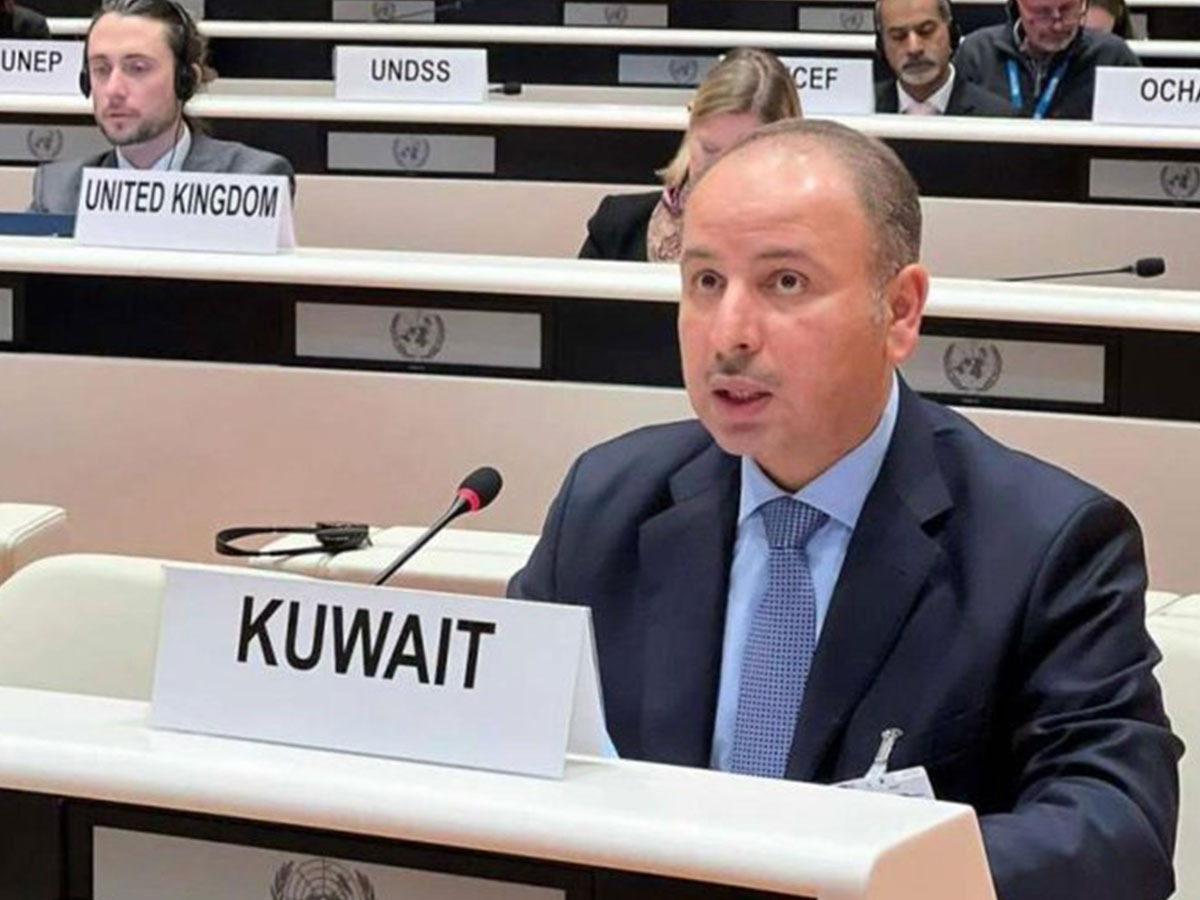

The Gulf Cooperation Council (GCC) has expressed its support for the United Nations’ ongoing efforts to integrate human rights principles into national laws and policies. Speaking on behalf of the GCC at the UN Human Rights Council in Geneva, Kuwait’s Permanent Representative to the UN, Ambassador Nasser Al-Hain, highlighted the importance of technical assistance and capacity-building in the realm of human rights.
Al-Hain’s statement came during a general debate on the UN High Commissioner for Human Rights’ report on technical assistance and capacity-building, which also addressed the report of the Yemeni National Commission of Inquiry on human rights violations. The GCC’s backing of the UN’s human rights initiatives underscores the region’s commitment to upholding universal human rights standards.
Support for Human Rights Initiatives
The GCC’s support for the UN’s human rights efforts is part of a broader regional commitment to promoting and protecting human rights. The council has welcomed the UN’s work in assisting countries to establish national institutions dedicated to the protection of human rights, according to Al-Hain. This cooperation is crucial in ensuring that countries in the region have the necessary frameworks and capacities to uphold human rights.
Al-Hain commended the work of the Yemeni National Independent Commission, which has been investigating human rights violations in Yemen. He called on the international community to continue supporting the commission to enable it to complete its work. The GCC’s support for the commission’s efforts is seen as a key step in promoting accountability and justice in Yemen.
Regional Efforts to Promote Human Rights in Yemen
In his remarks, Al-Hain underscored the importance of regional efforts to revive the political process in Yemen. He highlighted the initiatives undertaken by the Kingdom of Saudi Arabia and the Sultanate of Oman to reach a comprehensive and sustainable political solution based on the GCC Initiative and its implementation mechanism, the outcomes of the National Dialogue Conference, and UN Security Council Resolution 2216. These efforts aim to address the complex humanitarian and political challenges facing Yemen.
Al-Hain also emphasized the need for continued international support for Yemen, particularly in the face of ongoing humanitarian challenges. He urged the international community to participate actively in the upcoming Food Security Conference for Yemen, scheduled to be held at the GCC General Secretariat on October 27-28. The conference is expected to mobilize humanitarian and developmental support for the Yemeni people.
Humanitarian and Developmental Support
The GCC’s commitment to humanitarian efforts in Yemen is part of a broader regional response to the crisis. According to Al-Hain, the council is working to address the humanitarian needs of the Yemeni people, while also supporting efforts to revive the political process. The international community’s support is crucial in ensuring that these efforts are successful.
Meanwhile, Al-Hain praised the efforts undertaken by Libya and Somalia to promote human rights. He encouraged the international community to continue providing technical support and capacity-building to help strengthen their commitments to human rights. This support is essential in enabling these countries to develop robust human rights frameworks and institutions.
As the international community continues to grapple with the complex challenges of promoting and protecting human rights, the GCC’s support for the UN’s initiatives is a significant step forward. The next steps in this process will be closely watched, particularly with regards to the implementation of the UN’s technical assistance and capacity-building programs. The outcome of the Food Security Conference for Yemen, scheduled for later this month, is also expected to be a key development in the region’s humanitarian response efforts. According to the UN, the success of these initiatives will depend on continued international cooperation and support. The GCC’s commitment to human rights is expected to be a key factor in shaping the region’s response to these challenges.