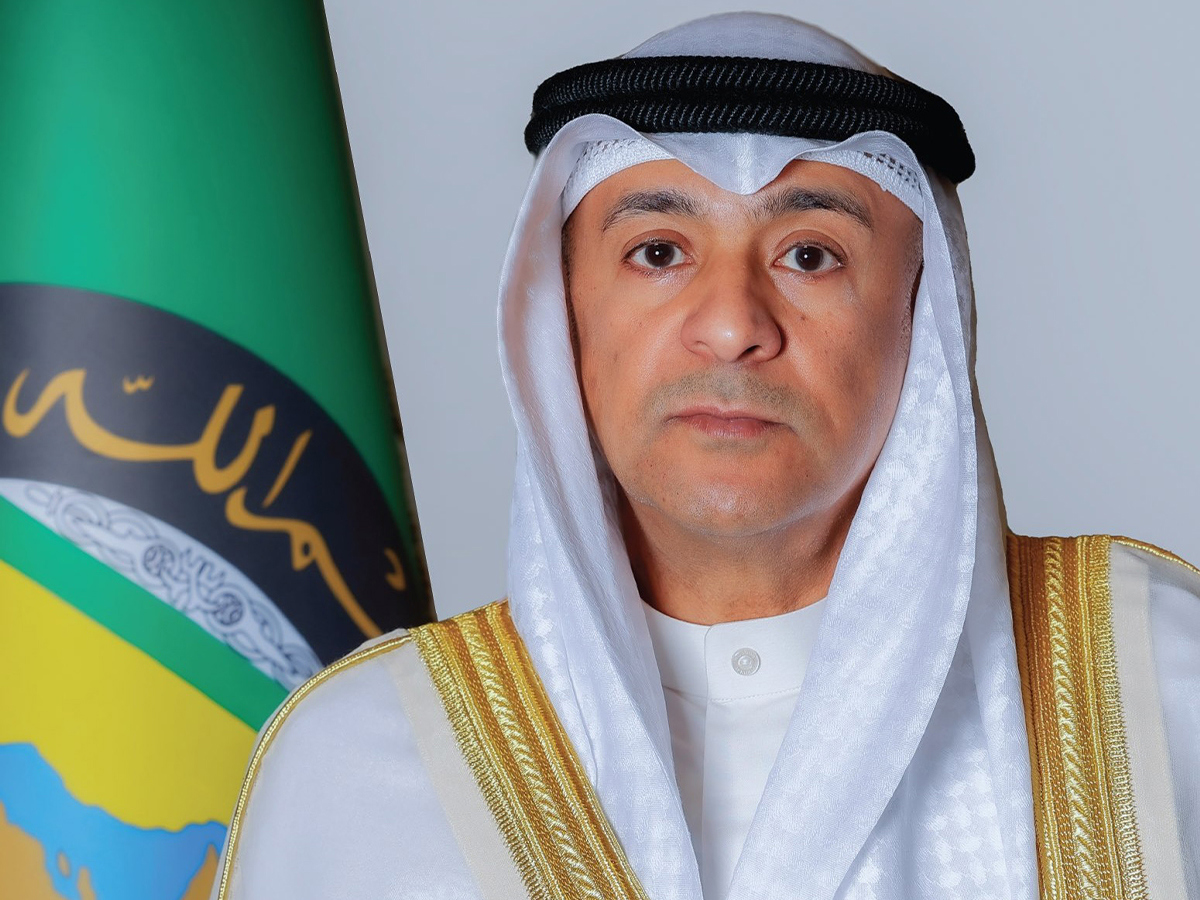

The Gulf Cooperation Council (GCC) has welcomed the Palestinian Islamic Resistance Movement (Hamas)’s response to US President Donald Trump’s ceasefire plan in the Gaza Strip. Secretary-General Jasem Mohammed Albudaiwi expressed the GCC’s support for Hamas’s measures in a statement on Sunday, highlighting the council’s commitment to resolving the crisis in Gaza.
Albudaiwi’s statement came as international and regional efforts continue to focus on achieving a comprehensive and lasting ceasefire agreement in the Gaza Strip, alleviating the humanitarian suffering of the Palestinian people. The GCC has long been a proponent of establishing an independent Palestinian state with full sovereignty along the June 4, 1967 borders, with East Jerusalem as its capital, according to Albudaiwi.
GCC’s Stance on the Gaza Crisis
The GCC’s position on the Gaza crisis is centered around its longstanding support for the Palestinian people and their right to self-determination. The council has consistently called for a peaceful resolution to the conflict, emphasizing the need for a comprehensive and lasting ceasefire agreement that addresses the humanitarian needs of the Palestinian people in the Gaza Strip.
According to Albudaiwi, the GCC welcomes international and regional efforts aimed at resolving the crisis in Gaza. These efforts are seen as crucial in achieving a peaceful resolution to the conflict and alleviating the suffering of the Palestinian people.
Regional and International Efforts
Regional and international actors have been working together to address the crisis in Gaza, with a focus on achieving a ceasefire agreement. The GCC has been part of these efforts, working closely with other regional organizations and countries to find a peaceful resolution to the conflict.
The involvement of international actors, including the US, has been significant in the efforts to resolve the Gaza crisis. However, the success of these efforts remains uncertain, with various factors at play, including the positions of different parties involved in the conflict.
Key Challenges Ahead
One of the key challenges ahead is achieving a lasting ceasefire agreement that addresses the humanitarian needs of the Palestinian people in the Gaza Strip. The GCC’s support for Hamas’s response to the US ceasefire plan is seen as a positive step, but the road ahead is likely to be complex and challenging.
As the situation in Gaza continues to unfold, the GCC’s commitment to supporting the Palestinian people and promoting a peaceful resolution to the conflict remains a key factor. The council’s efforts, along with those of other regional and international actors, will be crucial in determining the outcome of the crisis.
For more information on the GCC’s stance on the Gaza crisis, visit the GCC’s official website. The GCC’s efforts to resolve the Gaza crisis are part of a broader regional and international push for peace, with various stakeholders working together to address the complex challenges at hand.
As the situation in Gaza continues to evolve, the next steps in the ceasefire negotiations and the response of the parties involved will be closely watched. The outcome of these developments will have significant implications for the future of the region and the prospects for a peaceful resolution to the conflict.