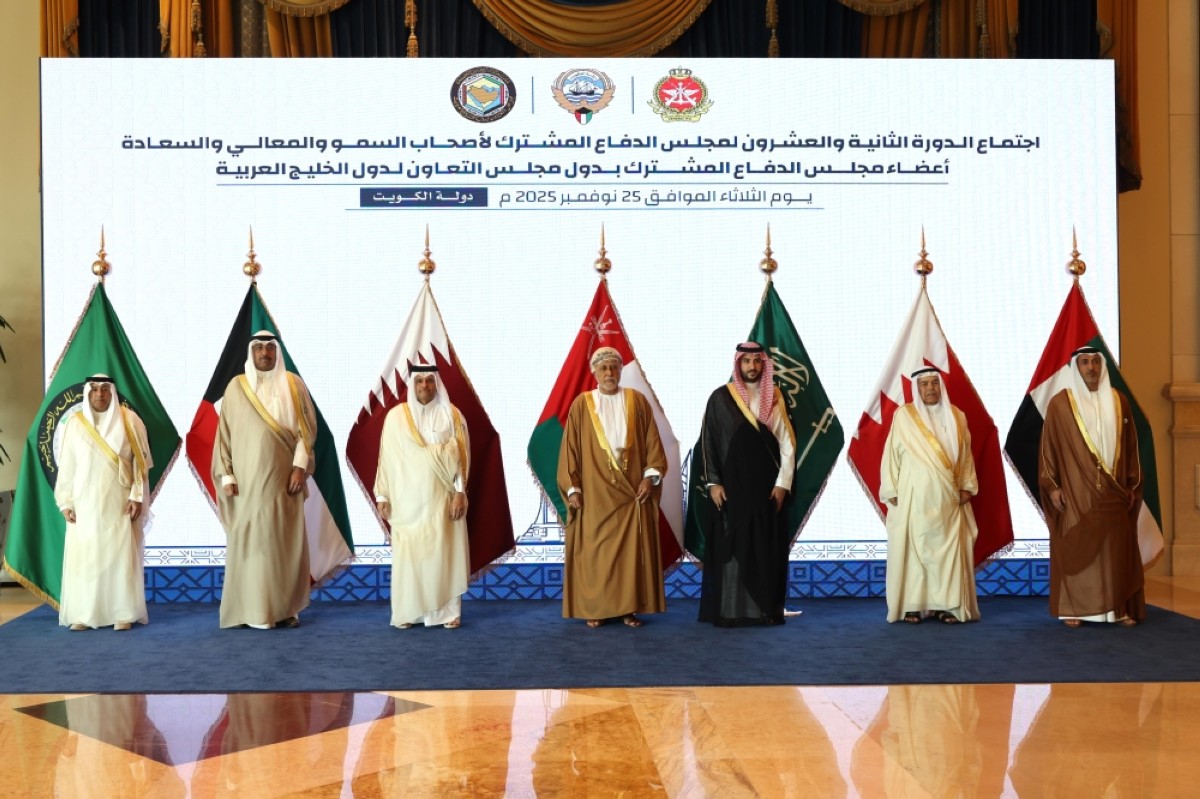

Kuwait recently hosted the 22nd session of the Joint Defense Council of the Gulf Cooperation Council (GCC), underscoring the continued commitment to strengthening GCC defense cooperation in a region facing evolving security challenges. The meeting, chaired by Kuwait’s Deputy Prime Minister and Minister of Defense Sheikh Abdullah Ali Abdullah Al-Salem Al-Sabah, emphasized the vital need for unified action and enhanced military capabilities amongst member states. This gathering signals a renewed focus on collective security within the GCC framework, particularly as regional tensions persist.
Reinforcing Collective Security: The 22nd Joint Defense Council Meeting
The Joint Defense Council meeting brought together defense ministers and high-ranking delegations from all GCC member states – Bahrain, Kuwait, Oman, Qatar, Saudi Arabia, and the United Arab Emirates – alongside GCC Secretary General Jasem Al-Budaiwi. Discussions centered around crucial issues related to unified military strategies, operational readiness, and the development of a more robust and integrated defense system. Several key decisions and recommendations were adopted, aimed at deepening collaboration between the armed forces of participating nations.
Prior to the council’s session, HH the Crown Prince Sheikh Sabah Al-Khaled Al-Hamad Al-Sabah received Sheikh Abdullah and his counterparts from the Gulf states, conveying greetings from HH the Amir Sheikh Meshal Al-Ahmad Al-Jaber Al-Sabah and expressing wishes for a productive and successful meeting. This high-level engagement highlights the paramount importance placed on regional security by Kuwait’s leadership.
Key Outcomes and Priorities
The ministers collectively expressed their gratitude to GCC leaders for their unwavering support of joint military initiatives and their dedication to bolstering the GCC defense landscape. The emphasis throughout the meeting was clear: successful defense cooperation is not simply desirable, but essential for shielding the region from a wide range of risks and threats.
Specifically, the council highlighted the significance of:
- Enhanced Coordination: Strengthening communication and collaborative planning between GCC armed forces.
- National Interest Protection: Safeguarding the sovereign interests and critical economic resources of each member state.
- Regional Stability: Contributing to peace and security not only within the GCC nations but across the wider Middle East region.
- Modernizing Capabilities: Investing in advanced technologies and training to address contemporary security challenges.
The Rising Urgency for GCC Military Integration
The call for reinforced regional security wasn’t simply a reiteration of existing goals; it was framed within the context of recent escalating tensions. Secretary General Al-Budaiwi explicitly referenced the attacks on Qatar, attributed to both Iran and what was described as “Zionist occupation forces” as a pivotal moment. These events served as a stark reminder of the vulnerabilities faced by Gulf nations and the critical need for a more cohesive and responsive defense posture.
This sentiment was further echoed in the ministers’ discourse, reinforcing the idea that a unified GCC stands as a stronger deterrent to external threats. The focus isn’t solely on reactive measures, but also on proactive collaboration to prevent future incidents. This proactive stance will likely include increased intelligence sharing and joint military exercises.
Leadership and Gratitude
Al-Budaiwi underscored the pivotal role of visionary leadership within the GCC in fostering a spirit of unity and prioritizing collective defense. He extended his sincere appreciation to HH the Amir Sheikh Meshal, Chairman of the current session of the GCC Supreme Council, for his patronage and guidance.
Additionally, he commended Sheikh Abdullah for his effective chairmanship of the Joint Defense Council and recognized the significant contributions of the Kuwaiti Ministry of Defense and armed forces in facilitating the meeting and providing a welcoming environment for all participants. The Secretary General’s gratitude specifically acknowledged Kuwait’s unwavering dedication to strengthening joint GCC action and realizing the council’s ambitious objectives.
Looking Ahead: Strengthening the GCC Shield
The 22nd session of the Joint Defense Council has solidified the resolve of GCC nations to prioritize and enhance Gulf defense capabilities. The meeting wasn’t merely a forum for discussion, but a catalyst for concrete action. The decisions made and recommendations adopted will be crucial in guiding future military cooperation and ensuring the long-term security and stability of the region.
Moving forward, expect to see increased collaboration on joint training exercises, the development of unified defense protocols, and a greater emphasis on procuring interoperable military systems. The importance of bolstering cyber security defenses and counter-terrorism efforts will likely also feature prominently in future agendas. Ultimately, the overarching goal is to create a more resilient and integrated defense framework capable of effectively addressing the complex and ever-evolving security landscape of the Middle East. The continued focus on military cooperation will be vital for achieving lasting peace and prosperity in the region.