
The Gulf Cooperation Council (GCC) and Switzerland have signaled a deepening of their relationship with a new agreement for strategic dialogue, a move poised to enhance collaboration on a range of critical issues. This development, announced during the prestigious World Economic Forum in Davos, underscores the growing importance of partnerships between regional blocs and established European nations. The memorandum of understanding (MoU) aims to foster a more robust and multifaceted GCC-Switzerland relations, paving the way for increased cooperation in areas of mutual benefit.
Strengthening Ties: The New Strategic Dialogue
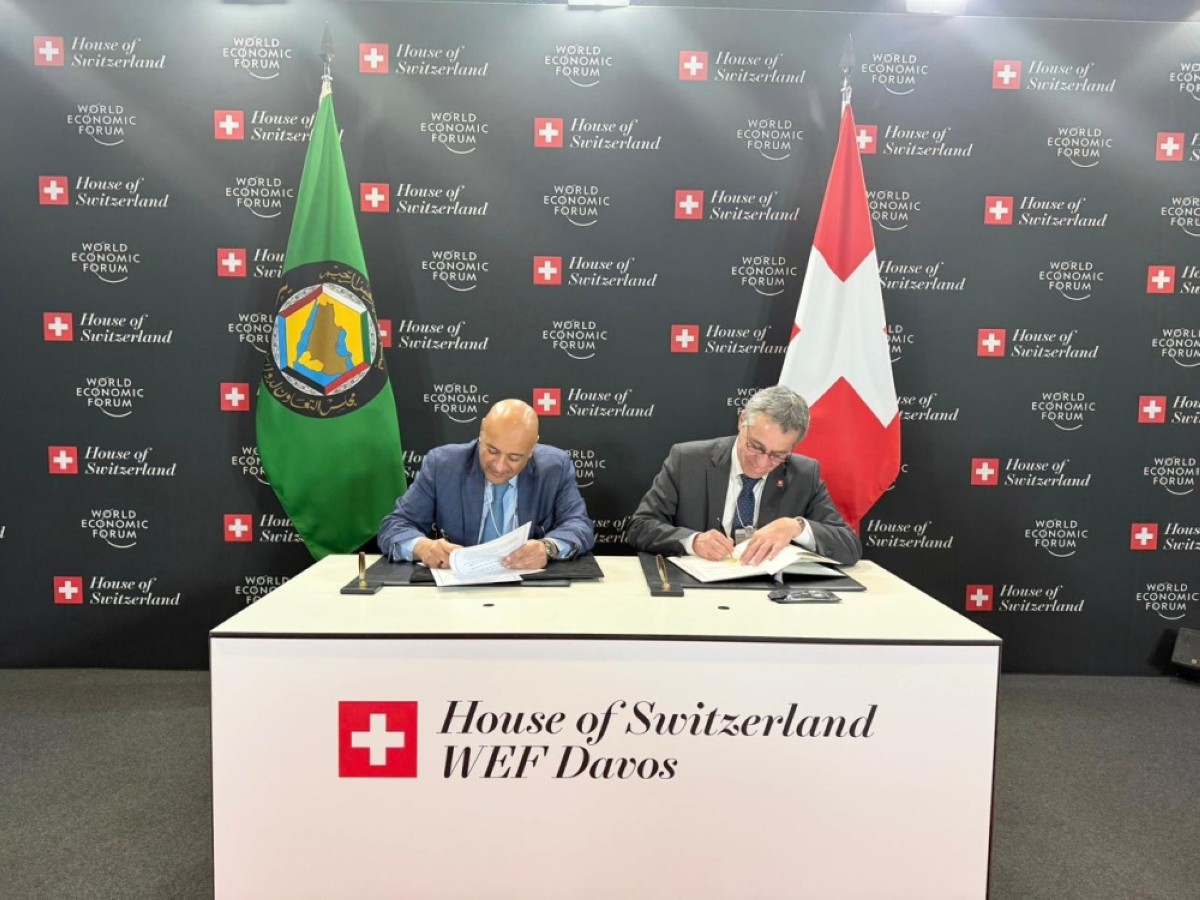
On Tuesday, GCC Secretary-General Jasem Al-Budaiwi and Swiss Foreign Minister Ignazio Cassis formally signed the MoU on the sidelines of the 56th annual World Economic Forum in Davos. The agreement establishes a framework for regular, strategic-level discussions between the two parties. This isn’t simply a symbolic gesture; it represents a concrete step towards building a more comprehensive and enduring partnership.
The GCC Secretariat released a statement highlighting the significance of the agreement, emphasizing its role in bolstering bilateral ties and fostering a shared commitment to a strategic partnership across all levels of engagement. This includes political, economic, and potentially security-related cooperation.
A Focus on Mutual Interests
The core objective of the strategic dialogue is to identify and address issues of common concern. While the specifics of these issues haven’t been fully detailed, they are expected to encompass regional stability, economic diversification, and potentially, collaborative efforts in addressing global challenges like climate change and energy security. Switzerland, known for its neutrality and role as a global hub for diplomacy, offers a valuable platform for these discussions.
The timing of this agreement is also noteworthy. The global landscape is currently marked by geopolitical uncertainty and economic shifts. Strengthening existing partnerships and forging new ones becomes increasingly vital for navigating these complexities. This is particularly true for the GCC nations, who are actively pursuing strategies to diversify their economies and enhance their regional influence.
Economic Cooperation as a Cornerstone of GCC-Switzerland Relations
Beyond political dialogue, economic cooperation is expected to be a major focus of the enhanced GCC-Switzerland relations. Switzerland is a significant global investor, and the GCC region represents a key market for Swiss goods and services. The MoU could facilitate increased trade and investment flows between the two sides.
Specifically, areas like financial technology (FinTech), sustainable development, and tourism could see increased collaboration. Switzerland’s expertise in these sectors aligns well with the GCC’s ambitious economic diversification plans, particularly those outlined in initiatives like Saudi Vision 2030 and the UAE’s Centennial Plan. Furthermore, Switzerland’s strong tradition of private banking and wealth management could be of interest to GCC investors seeking secure and diversified investment opportunities.
Exploring Investment Opportunities
Following the signing ceremony, Secretary-General Al-Budaiwi and Foreign Minister Cassis engaged in a bilateral meeting. Discussions centered on identifying concrete ways to boost relations and tackle pressing regional and international issues. A key element of this discussion likely involved exploring new investment opportunities and strengthening existing economic ties.
The potential for Swiss companies to participate in large-scale infrastructure projects within the GCC region was also likely on the agenda. These projects, often linked to the diversification of economies away from oil, represent significant opportunities for foreign investment and expertise.
Regional and International Implications
The deepening of GCC-Switzerland relations has broader implications for regional and international dynamics. Switzerland’s neutral stance and its role as a facilitator of dialogue can be valuable assets in addressing complex geopolitical challenges. The GCC, as a powerful regional bloc, can contribute significantly to stability and security in the Middle East and beyond.
This partnership could also serve as a model for other collaborations between regional organizations and established European nations. It demonstrates a willingness to engage in constructive dialogue and find common ground on issues of mutual concern. The focus on economic diversification and sustainable development also aligns with global efforts to address climate change and promote inclusive growth. The agreement also comes at a time when discussions around international trade are evolving, making stable partnerships even more crucial.
Additionally, the dialogue could provide a platform for Switzerland to better understand the perspectives of the GCC nations on issues such as the ongoing conflicts in Yemen and Syria, and the broader challenges facing the region. This understanding can inform Switzerland’s own foreign policy and contribute to more effective multilateral efforts. The importance of regional stability was undoubtedly a key theme in the discussions between Al-Budaiwi and Cassis.
In conclusion, the signing of this memorandum of understanding marks a significant step forward in GCC-Switzerland relations. By establishing a strategic dialogue, both parties are demonstrating a commitment to strengthening their partnership and addressing shared challenges. The focus on economic cooperation, regional stability, and international engagement positions this relationship as a potentially valuable asset in a complex and rapidly changing world. It will be interesting to observe the concrete outcomes of this dialogue in the coming months and years, and how it contributes to a more stable and prosperous future for both the GCC region and Switzerland.