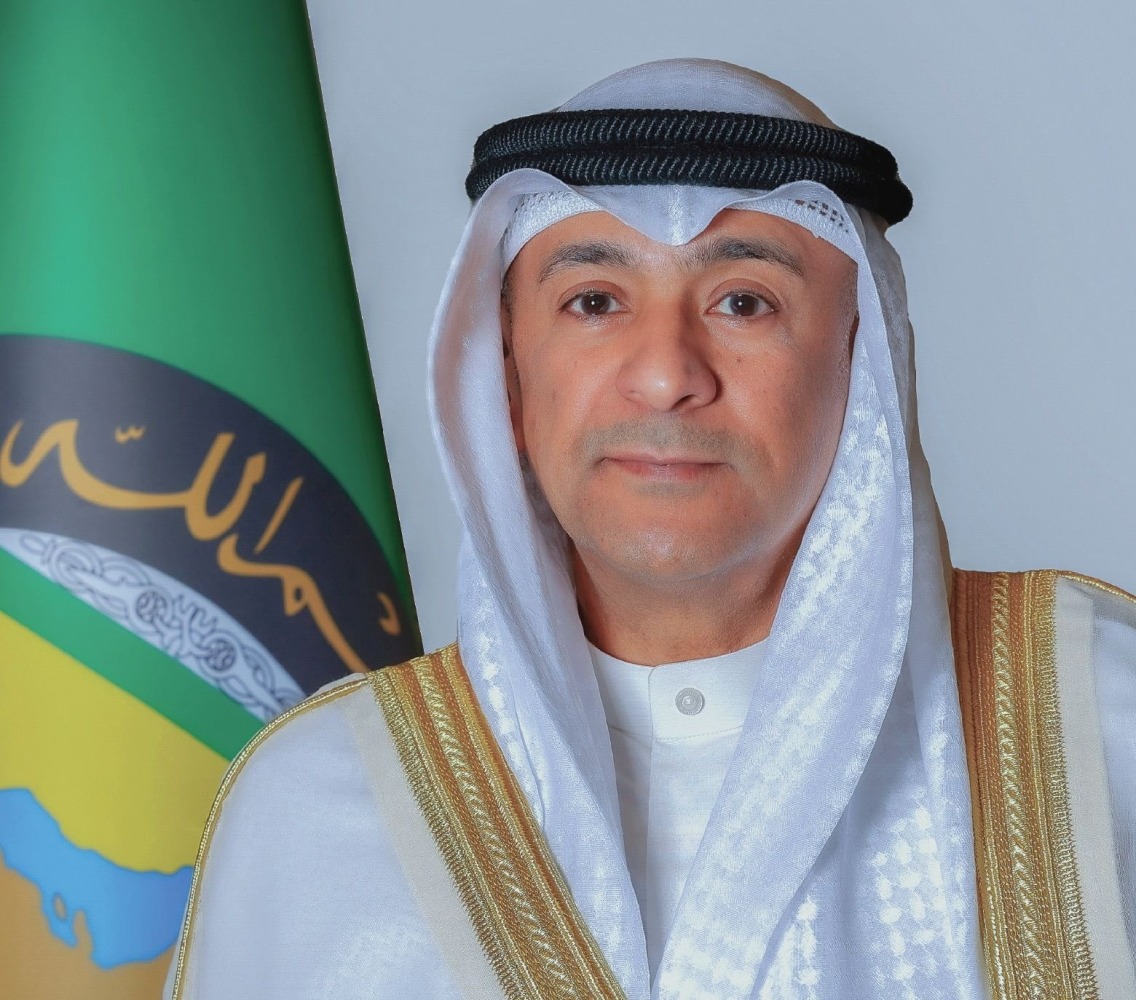

Riyadh – A significant step towards de-escalation in the ongoing Yemeni conflict occurred today with the signing of an agreement in Muscat, Oman, concerning the exchange of prisoners between warring parties. The deal, brokered through extensive negotiations, aims to release detainees held by both sides, offering a glimmer of hope for humanitarian progress in the region. Gulf Cooperation Council (GCC) Secretary General Jasem Mohamed Al Budaiwi welcomed the agreement, praising the collaborative efforts that led to its completion.
The signing ceremony took place in the Omani capital, with representatives from the Yemeni government and the Houthi movement present. The agreement was facilitated by the Kingdom of Saudi Arabia, the Sultanate of Oman, the Office of the Special Envoy of the Secretary-General of the United Nations to Yemen, and the International Committee of the Red Cross (ICRC). Details regarding the exact number of prisoners to be released and the timeline for the exchange were not immediately disclosed.
The Importance of Prisoner Exchanges in Yemen
The issue of prisoners of war and civilian detainees has been a major obstacle to peace in Yemen. Both sides have accused each other of holding individuals unlawfully and of failing to provide adequate information about their whereabouts. Families have endured years of uncertainty regarding the fate of their loved ones, adding to the immense suffering caused by the conflict.
This agreement builds on previous, smaller-scale prisoner swaps that have taken place since the start of the civil war in 2014. However, those earlier releases were often delayed or incomplete, eroding trust between the parties. The current deal appears to be more comprehensive in scope, aiming for a larger and more coordinated release.
Background to the Yemeni Conflict
The conflict in Yemen began when Houthi rebels seized control of the capital, Sanaa, forcing the internationally recognized government to flee. A Saudi-led coalition intervened in 2015 to restore the government, but the war has since become a complex proxy conflict between Saudi Arabia and Iran, who supports the Houthis. The war has created one of the world’s worst humanitarian crises, with millions facing starvation and disease.
Numerous attempts at peace negotiations have failed over the years, largely due to disagreements over power-sharing and security arrangements. The United Nations has consistently called for a ceasefire and a political settlement to the conflict, emphasizing the urgent need to address the humanitarian situation. The ongoing humanitarian crisis has been exacerbated by economic collapse and the disruption of essential services.
According to the ICRC, the organization has been actively involved in facilitating dialogue between the parties regarding prisoner issues for several years. They provide neutral mediation and work to ensure that the rights of detainees are respected. The organization also offers assistance to families searching for missing persons.
The GCC Secretary-General expressed hope that this agreement will strengthen the path to peace and stability in Yemen, alleviate the suffering of the Yemeni people, and build trust between the warring factions. He specifically commended the roles played by Saudi Arabia and Oman in bringing the parties together. This latest development comes amid broader diplomatic efforts to end the war, including ongoing talks mediated by Saudi Arabia and Oman.
While the details of the implementation remain to be seen, the agreement represents a positive development in a conflict that has been marked by years of violence and despair. The success of the exchange will depend on the full cooperation of both sides and the continued support of international mediators. The broader issue of political resolution in Yemen remains a significant challenge.
The next crucial step will be the actual implementation of the prisoner exchange, including the verification of identities and the logistical arrangements for the release and transfer of detainees. Observers will be closely watching to see if the agreement is fully honored and if it leads to further confidence-building measures. A firm deadline for the completion of the exchange has not yet been announced, and the overall trajectory of peace talks remains uncertain.