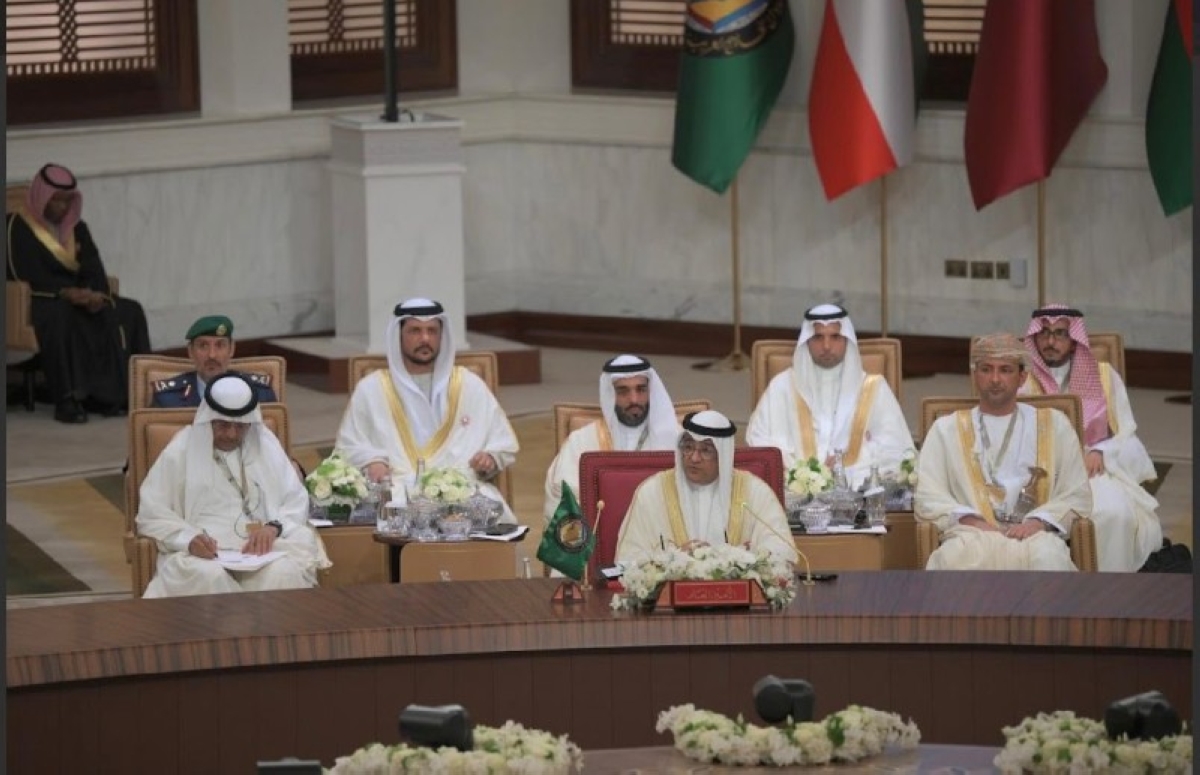

Efforts to establish a unified Gulf missile defense shield are progressing, with ongoing technical discussions between the Gulf Cooperation Council (GCC) and the United States. GCC Secretary-General Jasem Al-Budaiwi confirmed this week that the project remains a high priority for regional security, following recent attacks and heightened tensions. The initiative aims to bolster the collective defense capabilities of GCC member states against potential ballistic missile threats.
Al-Budaiwi spoke at a press conference on Wednesday, stating that Gulf nations are collaborating closely with international allies to advance the shield. The announcement comes after an extraordinary GCC summit convened in response to attacks believed to have originated from Iran and Israel targeting Qatar. Further details regarding the shield’s structure and operational capabilities are anticipated as preparations continue.
The Push for a Unified Gulf Missile Defense Shield
The development of a comprehensive missile defense system for the GCC – comprised of Saudi Arabia, Kuwait, Bahrain, Qatar, the United Arab Emirates, and Oman – has been discussed for years. However, recent escalations in regional conflicts, including the exchange of attacks between Iran and Israel, have significantly accelerated these efforts. These events underscored vulnerabilities and the urgent need for enhanced coordination among Gulf states.
Recent Regional Attacks and GCC Response
The attacks on Qatar, which occurred in January, prompted the immediate GCC summit and subsequent emergency meeting of the Joint Defense Council in Doha. According to Al-Budaiwi, the meetings focused on identifying gaps in existing defense infrastructure and formulating strategies to improve joint military operations.
Five specific measures were adopted by the defense ministers to strengthen military coordination within the GCC framework. While the specifics of these measures haven’t been publicly released, they are expected to address areas such as information sharing, joint training exercises and streamlined command structures. This move signals a commitment to a more integrated defense posture.
The attacks also highlight the complex geopolitical landscape of the region. Iran has repeatedly stated its ballistic missile program is for defensive purposes, while Israel views it as a direct threat. The involvement of both nations in the recent incidents underscores the potential for escalation and the need for robust defensive capabilities.
US Role and Technical Challenges
The United States has long been a key security partner for the GCC nations, providing military assistance and intelligence support. Regular meetings are currently underway to finalize the details of the defensive shield, including its integration with existing US defense systems in the region. The exact nature of US involvement, such as the provision of technology or personnel, remains under discussion.
Al-Budaiwi acknowledged that significant technical hurdles remain. Developing a truly integrated missile defense system requires overcoming challenges related to interoperability of different systems, data sharing protocols, and establishing a unified command and control structure. These complexities necessitate ongoing collaboration and expertise from both Gulf states and the United States.
Additionally, the cost of developing and maintaining such a sophisticated system is substantial. The GCC members will need to agree on a funding model and allocate sufficient resources to ensure the long-term viability of the defense shield. This financial commitment is a critical component of the project’s success.
Expanding Military Cooperation and Future Exercises
Beyond the missile defense initiative, military cooperation among GCC states is expanding across various domains. The Unified Military Command is actively working to enhance coordination in areas such as naval security, counter-terrorism, and border control. This broader effort aims to create a more resilient and responsive security architecture for the region.
A large-scale joint military exercise is planned for early 2027, involving all GCC forces and participation from several international and regional partners. This exercise, according to Al-Budaiwi, will serve as a crucial test of the GCC’s enhanced military coordination and interoperability. It will also provide an opportunity to demonstrate the collective defense capabilities of the alliance.
The exercise is expected to focus on scenarios involving ballistic missile defense, as well as other potential threats to regional stability. The inclusion of international partners will further strengthen the exercise’s value and promote greater understanding of shared security challenges. This collaborative approach is seen as vital for maintaining peace and security in the Gulf region.
The development of a regional security framework is also influenced by broader geopolitical considerations, including the ongoing negotiations regarding Iran’s nuclear program. A potential breakthrough in these talks could alter the security landscape and impact the perceived need for a missile defense shield. However, the recent attacks suggest that Gulf states are proceeding with the project regardless of the status of these negotiations.
Looking ahead, the next key step will be the finalization of the technical details and operational mechanisms for the Gulf missile defense shield. While a firm timeline has not been established, officials have expressed optimism that the project can be implemented “in the near future.” The progress of the 2027 military exercise will also be closely monitored as a gauge of the GCC’s growing military capabilities and its commitment to collective security. The evolving relationship between the GCC and the United States, particularly in the context of shifting global power dynamics, will remain a crucial factor in the success of this ambitious undertaking.