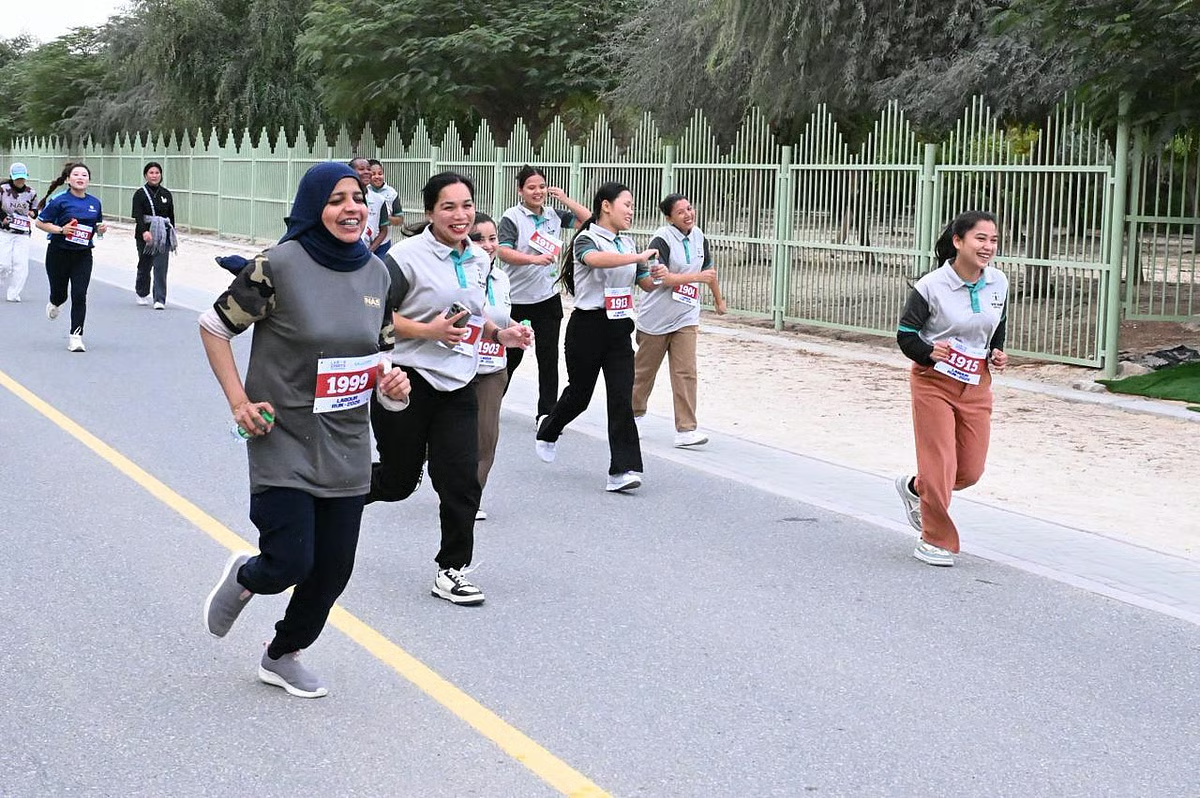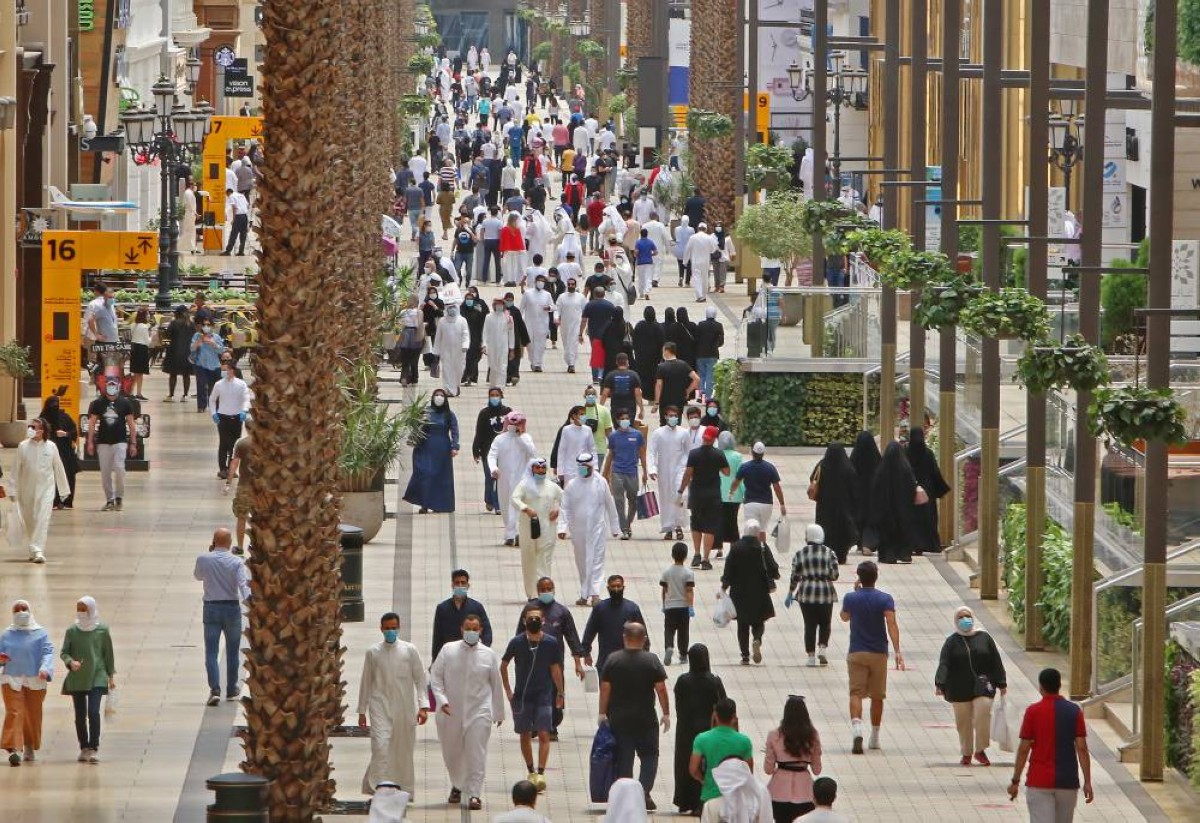

The Gulf Cooperation Council (GCC) nations are experiencing significant demographic shifts, and recent projections indicate a continued and accelerating rate of GCC population growth in the coming decades. A new report from the GCC Statistical Center forecasts the combined population of these states will reach approximately 83.6 million by 2050, a figure that underscores the need for proactive planning across multiple sectors. This growth, significantly outpacing the global average, presents both opportunities and challenges for the region’s sustainable development.
GCC Population Projections: A Rapidly Changing Landscape
The report, titled “Population Indicators of GCC States” and based on United Nations data, paints a clear picture of a region undergoing dynamic demographic change. As of the end of 2024, the total population across the GCC – comprising Bahrain, Kuwait, Oman, Qatar, Saudi Arabia, and the United Arab Emirates – stands at roughly 61.5 million. This represents an impressive increase of 8.5 million people since 2019, translating to an average annual growth rate of 2.8%.
This 2.8% growth rate is almost three times the global average, highlighting the unique factors driving population expansion within the GCC. These factors include economic opportunities attracting foreign workers, relatively high birth rates in some member states, and ongoing investment in infrastructure and quality of life. Understanding these drivers is crucial for effective policy making.
The Rising Number of Elderly Residents
One of the most significant trends identified in the report is the anticipated doubling of the elderly population – those aged 65 and above – exceeding 5.5 million by 2050. This shift will have profound implications for healthcare systems, social security programs, and the overall structure of GCC societies. Currently, the elderly represent only 2.6% of the population, but this percentage is expected to rise dramatically as life expectancy increases and birth rates moderate.
This demographic transition necessitates a focus on geriatric care, pension reforms, and the development of age-friendly infrastructure and services. Investing in these areas now will be vital to ensuring a comfortable and dignified life for the growing elderly population.
Implications for Urban Planning and Labor Markets
The projected population growth in the GCC isn’t just a numbers game; it has tangible consequences for how these nations develop and function. The report emphasizes the critical importance of long-term strategic planning in several key areas.
The Need for Sustainable Urban Development
Rapid population growth puts immense pressure on urban infrastructure, including housing, transportation, and utilities. GCC countries will need to prioritize sustainable urban planning strategies that can accommodate the increasing population while minimizing environmental impact. This includes investing in smart city technologies, promoting compact and mixed-use development, and expanding public transportation networks.
Furthermore, thoughtful urban design can foster social cohesion and improve the quality of life for all residents. Ignoring these considerations could lead to overcrowding, strain on resources, and social challenges.
Adapting Labor Markets to Demographic Changes
Currently, the GCC boasts a “youthful demographic profile,” with a working-age population (15-64 years) making up 76.7% of the total. Children (0-14 years) represent 20.6%. However, as the population ages, the proportion of working-age individuals will likely decrease, potentially impacting economic productivity.
Addressing this requires proactive measures to enhance workforce skills, promote labor market flexibility, and encourage greater participation of women in the workforce. Additionally, attracting and retaining skilled expatriate workers will remain important, but policies need to be adjusted to reflect the changing demographic landscape. The report notes a dependency ratio of nearly 30 dependents per 100 working-age individuals, a figure that will be affected by the aging population.
Gender Dynamics and Expatriate Workforce Considerations
The report also highlights the significant gender imbalance within the GCC population. Males currently account for 62.7% of the population, compared to 37.3% females, resulting in a sex ratio of 168 males per 100 females. This disparity is largely attributed to the composition of the expatriate labor force, which is predominantly male.
This imbalance has implications for social structures, family dynamics, and the provision of gender-specific services. As GCC countries diversify their economies and strive for greater social inclusivity, addressing this gender gap will be crucial. Policies promoting gender equality in education, employment, and political participation are essential. The ongoing economic diversification initiatives within the GCC, often referred to as Vision 2030 programs, will likely influence these demographic trends.
Preparing for a Larger, Older Population: The Path Forward
The GCC Statistical Center’s report serves as a vital wake-up call for policymakers across the region. The projected population increase in the GCC demands a comprehensive and forward-looking approach to development. Investing in healthcare, education, and social protection systems is paramount.
Moreover, fostering innovation and embracing technological advancements will be key to enhancing productivity and ensuring sustainable economic growth. The report’s emphasis on long-term planning is particularly relevant, as the demographic changes outlined are likely to unfold over several decades.
Ultimately, the success of the GCC nations in navigating these demographic shifts will depend on their ability to anticipate future needs, adapt existing policies, and invest in the well-being of all their residents. Further research into specific national demographics within the GCC and the impact of economic diversification will be crucial for tailoring effective strategies.