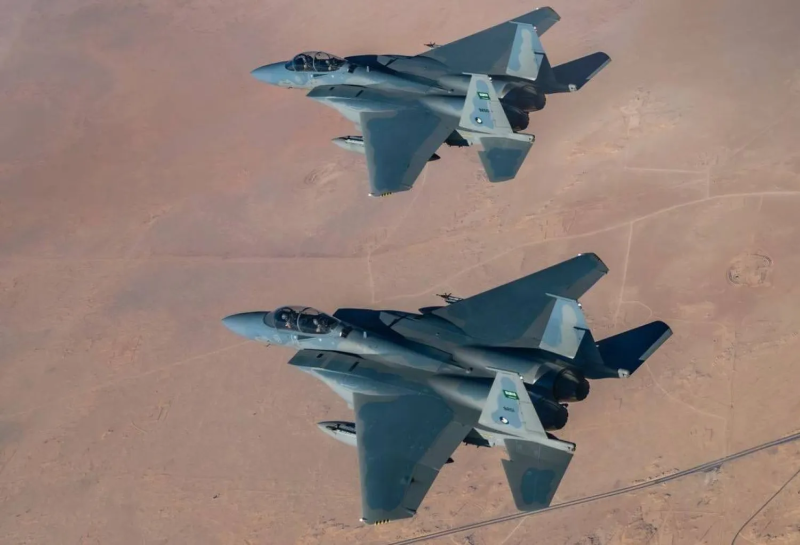

RIYADH – A large-scale military exercise, Gulf Shield 2026, commenced in Saudi Arabia on Sunday, bringing together armed forces from the member states of the Gulf Cooperation Council (GCC). The exercise, announced by the Saudi Ministry of Defense, signifies a continued commitment to regional security and enhanced defense cooperation. This joint operation will focus on bolstering combat readiness and improving coordinated responses to potential threats facing the region.
The drills are currently underway across various locations within Saudi Arabia and involve forces from all six GCC nations: Saudi Arabia, Kuwait, the United Arab Emirates, Qatar, Bahrain, and Oman. According to the ministry, the stated goal of Gulf Shield 2026 is to assess and improve operational efficiency and interoperability among the participating militaries. The exercise is expected to continue for a substantial period, allowing for a thorough evaluation of capabilities and coordination procedures.
The Strategic Importance of Gulf Shield 2026
The Gulf Shield exercises are not new, having been held periodically since 2008. However, the 2026 iteration appears to be particularly comprehensive in its scope and ambition, reflecting an evolving security landscape in the Middle East. This latest Gulf Shield 2026 drill is taking place amidst ongoing regional tensions, including concerns over maritime security, ballistic missile proliferation, and extremist groups.
Objectives and Key Focus Areas
The Saudi Ministry of Defense outlined several key objectives for the exercise. These include developing and standardizing operational concepts amongst the GCC nations, fostering the exchange of valuable field expertise, and enhancing the efficiency of joint military planning and execution. This seeks to create a more unified defense posture.
A primary focus will be on testing the effectiveness of the GCC’s “flexible deterrence system,” a concept that is frequently referenced in official statements as a means of dissuading potential adversaries. The exercise utilizes meticulously designed scenarios intended to replicate real-world threats, measuring how effectively the participating forces can respond. Furthermore, the drills will concentrate on joint air defense, maritime security operations, and simulated land battles.
The exercises are specifically designed to assess combat readiness, with procedures and tests meant to measure response times and effectiveness against diverse potential threats. This is crucial for a region facing a complex array of challenges, escalating geopolitical competition and the persistent threat of non-state actors. The drills also aim to improve logistical coordination between the different national forces.
Beyond the tactical aspects, Gulf Shield 2026 plays an important role in strengthening diplomatic ties between the GCC member states. Joint military training exercises provide a platform for building trust and understanding, which can have positive spillover effects on broader political cooperation. Maintaining a strong and unified GCC is considered vital for regional stability by Saudi Arabia and its allies.
Recent Regional Military Activity
This exercise follows a trend of increased military cooperation and training within the GCC and with its international partners, notably the United States and the United Kingdom. Recent years have witnessed a series of joint drills and security agreements aimed at bolstering collective defense capabilities. These efforts are in response to perceived growing instability and security threats in the region, fueled in part by events like the war in Yemen and tensions with Iran.
Additionally, increased investment in modern military equipment and technology across the GCC states indicates a long-term commitment to strengthening their defense infrastructures. This modernization drive, paired with enhanced training exercises, aims to provide a credible deterrent against potential aggression and safeguard critical infrastructure, including vital oil and gas facilities. The increased focus on cybersecurity is also notable, demonstrating a recognition of evolving threats.
In contrast to a solely defensive posture, some analysts suggest that these exercises also signal a willingness among GCC nations to project power and defend their interests more assertively. The motivations behind these regional military expansions are subject to ongoing debate. However, the consensus is that the GCC countries are seeking to enhance their self-reliance in the face of external challenges.
Implications for Regional Security
Gulf Shield 2026 sends a clear message of unity and resolve to both regional and international actors. It shows that the GCC countries are determined to work together to protect their collective security interests and maintain stability in the Persian Gulf. The exercise implicitly discourages any potential adversaries from attempting to destabilize the region.
The extent to which the drills will address potential interoperability issues between the various GCC militaries—some of which utilize equipment from different suppliers—remains to be seen. Achieving seamless integration between different defense systems is a complex undertaking and a key objective of these exercises. The success of such integration will directly impact the effectiveness of future joint operations.
The report indicates that a post-exercise analysis will be conducted to identify areas for improvement and refine joint operational plans. This continuous cycle of training, evaluation, and adaptation is considered essential for maintaining a high level of preparedness. The timeframe for releasing the findings of this analysis has not yet been announced.
Looking ahead, the GCC is expected to announce further joint military exercises in the coming months, with a continued focus on counter-terrorism, maritime security, and air defense. The security situation in the Middle East remains volatile, and the need for sustained regional cooperation is unlikely to diminish anytime soon. The next major step will be the full evaluation of the exercise effectiveness and subsequent adjustments to defense strategies.