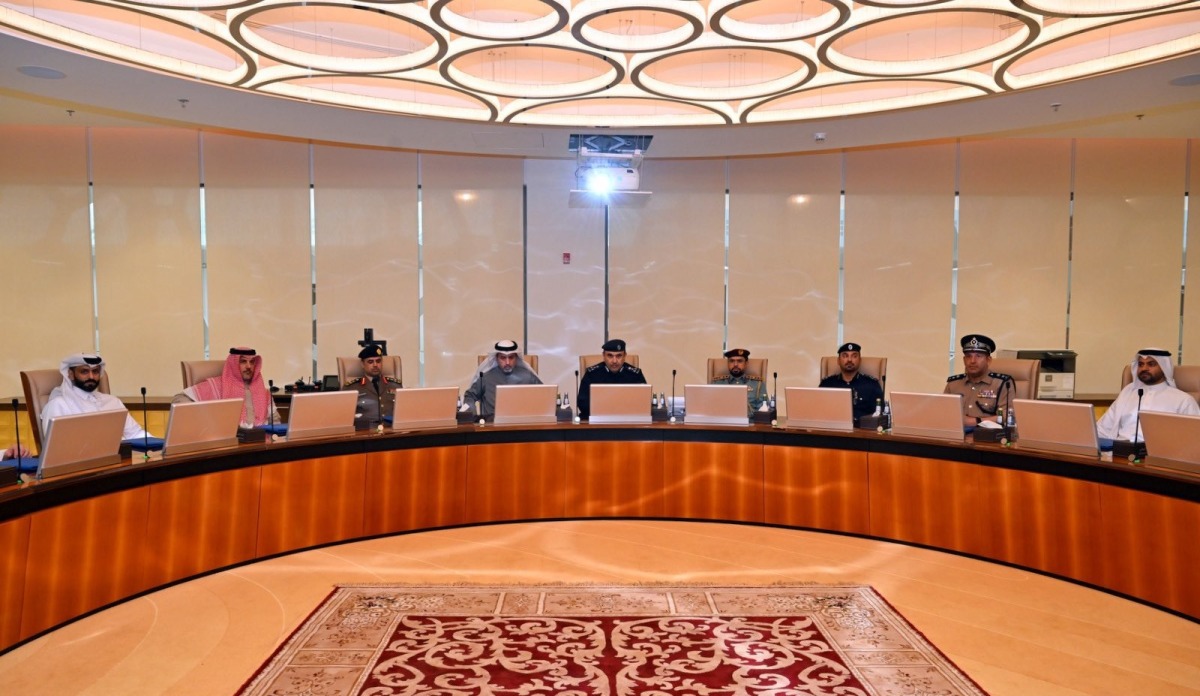

Doha, Qatar – A delegation from the General Secretariat of the Gulf Cooperation Council (GCC) and the GCC Emergency Management Center recently concluded a visit to key Qatari security institutions, signaling a renewed push for enhanced Gulf security cooperation. The visit, which included stops at the Police Academy, Ras Laffan Emergency and Safety College, and the National Command Center (NCC), aimed to facilitate the exchange of expertise and strengthen regional preparedness. The delegation’s tour underscores the GCC’s ongoing commitment to collective security initiatives.
The delegation’s visit took place over several days, with meetings held throughout the week of December 25th, 2023. Major General Abdulrahman Majed Al-Sulaiti, President of the Police Academy, and Brigadier Ali Mohammed Al-Muhannadi, Head of the National Command Center, personally welcomed the GCC representatives. The focus of the discussions centered on modernizing security infrastructure and improving coordinated responses to regional challenges.
Strengthening Gulf Security Cooperation Through Knowledge Sharing
The primary objective of the visit was to share best practices in emergency management, command and control systems, and police training methodologies. According to reports from The Peninsula Qatar, the delegation received detailed briefings on operational systems, mandates, and curricula employed by Qatari security entities. This knowledge exchange is intended to bolster the GCC’s collective ability to address a range of potential threats, including natural disasters and security incidents.
Focus Areas of the Delegation’s Review
The delegation’s itinerary was structured to cover a broad spectrum of security-related capabilities. Specifically, they examined:
Police education and training programs at the Police Academy, with a particular emphasis on modern pedagogical techniques. Additionally, the delegation assessed the advanced technologies utilized in command and control centers, including data analytics and real-time monitoring systems. Finally, they reviewed emergency management scenarios and programs at the Ras Laffan Emergency and Safety College, focusing on industrial safety and response protocols.
However, the visit wasn’t solely focused on technology. A significant portion of the discussions revolved around the development of standardized operating procedures and the harmonization of legal frameworks across GCC member states. This is crucial for effective cross-border collaboration during emergencies and investigations. The GCC has been increasingly focused on interoperability in recent years, recognizing that a unified approach is essential for maintaining regional stability.
Meanwhile, Qatar has invested heavily in its security infrastructure in recent years, particularly in preparation for major international events like the FIFA World Cup 2022. This investment has positioned the country as a leader in several security domains, making it a valuable partner for knowledge sharing within the GCC. The National Command Center, in particular, represents a state-of-the-art facility capable of coordinating responses across multiple agencies.
In contrast to previous, more ad-hoc exchanges, this visit represents a more formalized effort to institutionalize regional security cooperation. The GCC has faced increasing pressure from geopolitical instability in the broader Middle East, prompting a renewed emphasis on collective defense and mutual assistance. This initiative aligns with broader efforts to enhance emergency preparedness across the region.
The delegation’s visit also comes amid ongoing discussions regarding a more comprehensive GCC security pact. While details remain confidential, sources suggest that member states are exploring options for deeper integration of security forces and intelligence sharing. This could involve the establishment of a joint rapid response force or a centralized intelligence analysis center.
Looking ahead, the GCC is expected to convene a follow-up meeting in the coming months to discuss the implementation of recommendations stemming from the delegation’s findings. A timeline for these implementations has not yet been announced, and the specific details will likely be subject to further negotiation among member states. The success of this initiative will depend on the continued commitment of all GCC members to prioritize collective security and overcome potential obstacles to integration. Further developments regarding border security and joint exercises will be key indicators of progress.